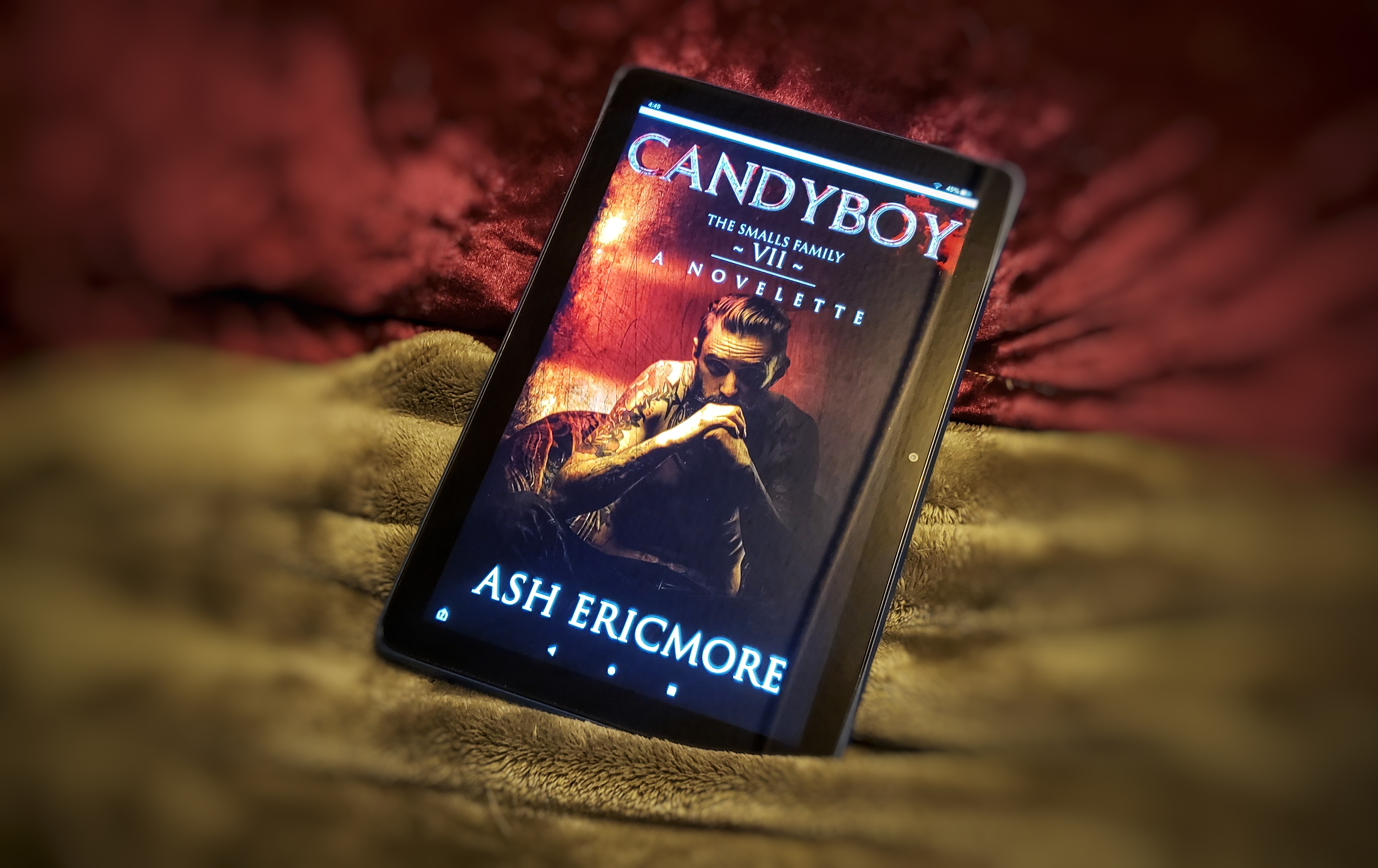
Michael is the final Smalls brother to make our acquaintance in Ash Ericmore’s Smalls Family series, and he’s the core around which this whole sequence of events has orbited. It’s Candyboy’s thriving drug enterprise that rubbed the Eastern Europeans the wrong way. Coming together after what happened to Bod in the previous installment, the Smalls brothers could have ventured out en masse to take their bloody and brutal revenge on the Eastern Europeans; but Candyboy feels responsible for what’s already happened, and it’s up to him to set things right in a truly Smalls fashion. Michael Smalls will torture, degrade, and dice up anyone and everyone who stands in his way as he searches for the man calling the shots. Ericmore, perhaps recognizing how profoundly Backy has wormed his little baby way into our black hearts, delivers more baby action with this volume. And, while there is no baby armor this time around, the little ones find a way to fly into the midst of the action just the same. As we reach our agrarian climax, Ericmore pulls out all the stops with Candyboy destroying everyone and everything in his path, using whatever he has at his disposal, including farm implements. This story is a thoroughly satisfying conclusion to what will hopefully be one of many Smalls Family series. Not that there should have been any doubt.
You can find this title as well as the other Smalls Family stories at http://www.godless.com or by downloading the Godless app to your mobile device of choice. The link is below:
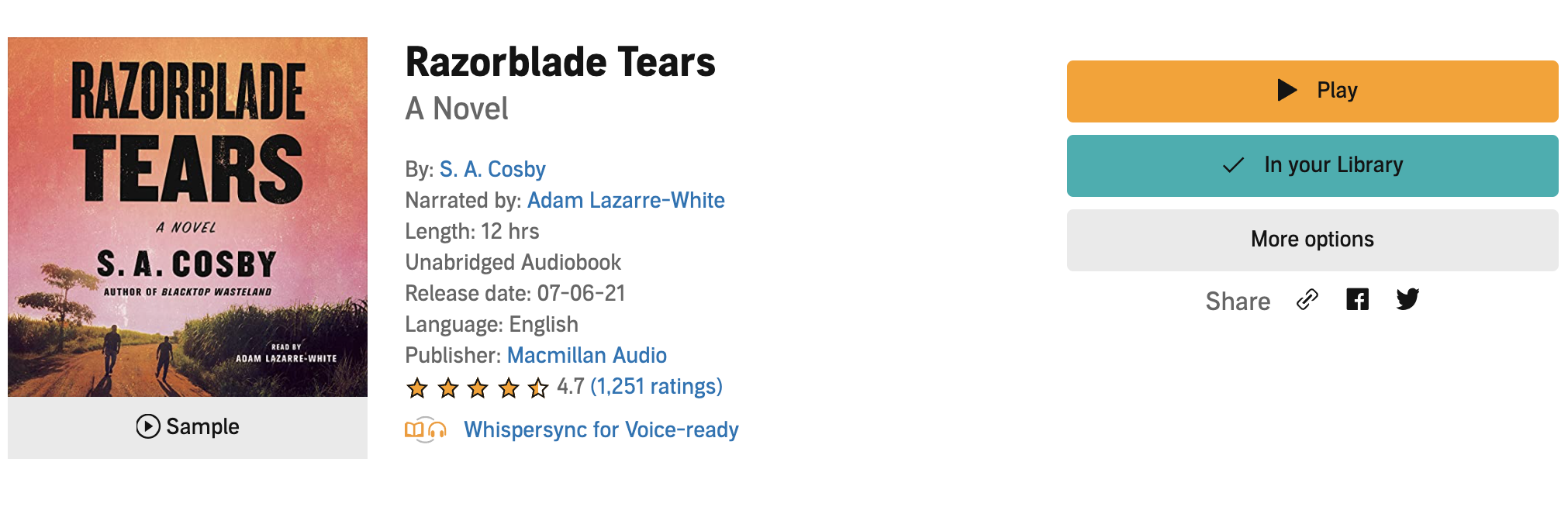
There is no question why S. A. Cosby’s Razorblade Tears made it to many national publications’ best of 2021 lists. This novel rests near the top of my list of best titles published in 2021 as well, especially when I focus on non-horror titles. 2021 was a good year for crime and suspense literature. Stephen King released Billy Summers, Kristopher Triana released And the Devil Cried, and S. A. Cosby released the absolute masterpiece Razorblade Tears. Neither Ike nor Buddy Lee were great fathers when their sons were alive. Between recurring stints in prison and their prejudices about the fact that the boys were gay, in large part informed by antiquated perspectives on what it meant to be a man, the two men had driven substantial wedges between themselves and the sons they loved with reservations. It was only after the two young men were murdered that either father allowed themselves to embrace the sons they’d shown far too little affection when they were alive. Isiah and Derek, the interracial married sons, are like ghosts at the periphery of the tale Cosby weaves for us. They haunt the two men we come to admire, despite all of their faults, at the core of this novel. Had Ike and Buddy Lee been able to overcome their ingrained bigotry while the boys had been alive, the two would have met years before the funeral, but that was not who the two men were. It turns out that the meeting of these two vastly different–yet strangely similar–men would be a fateful occasion that would lead to more bloodshed than either of the men could anticipate. As the police investigation into Isiah and Derek’s deaths stalls out, Buddy Lee approaches Ike with a proposition that the two of them might have better luck taking matters into their own hands. Unraveling the mystery behind the brutal murder of the boys will force the two ex-cons to confront their pasts, their preconceived notions, and their concepts of love as the trail leads them through Hell and back before bringing them closer to home than they could’ve imagined. The regret and retribution at the core of this book are at turns heartbreaking and viscerally satisfying. Most important, Cosby doesn’t shoehorn in any ersatz redemption for Ike and Buddy Lee because both men are so damaged and broken that redemption, in the sense that many writers would define it, simply wouldn’t make sense. That is not to say there’s no redemption here; there is redemption in these pages, but it’s the hollow sort that arises from the transformations coming far too late for it to make any difference. Witty dialogue, well-crafted characters, and realistic portrayals of race relations, homophobia, and the difficulty associated with escaping a criminal past fill this novel with so much depth and honesty that it would be impossible to convey in a review. All I can say is that anyone delving into this book will come out the other end with an understanding that they didn’t have when going in. Adam Lazarre-White’s narration for the audiobook is phenomenal. The additional character he brings to both Ike and Buddy Lee with his delivery of their dialogue is something that weighs heavily in favor of the audiobook edition of this novel because there’s such life and depth added to the characters with that extra texture.
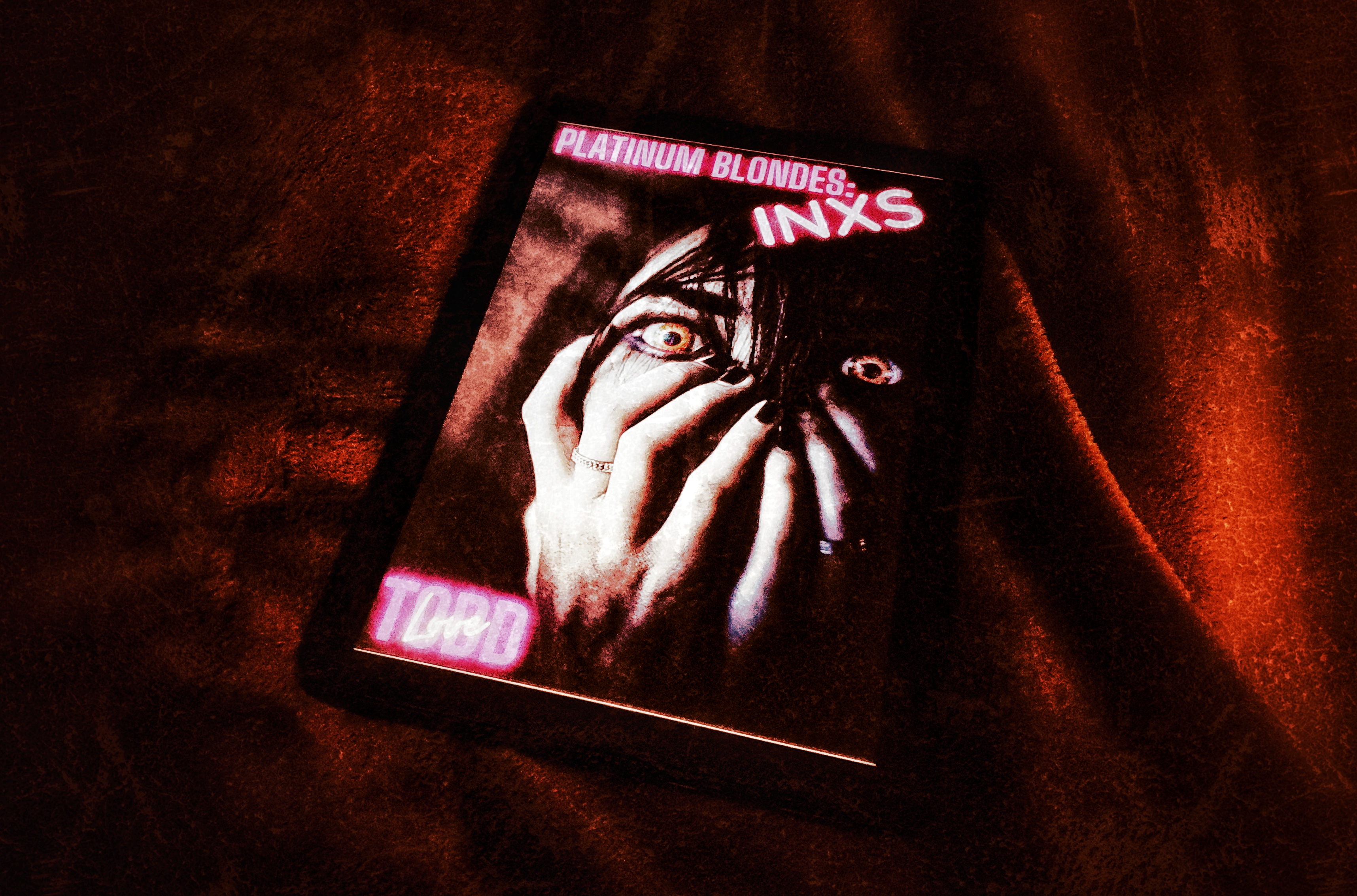
INXS picks up right where the first Platinum Blondes concluded, though we’re first introduced to Tony and provided with awful glimpses into a childhood from which no one would walk away undamaged. As much sympathy as we might have for the young boy, he quickly erodes that goodwill as we get to know him further, and especially the man he’s become. It similarly doesn’t take long to discover that Tony is no stranger to Tina, the protagonist we became achingly familiar with during the first installment. The tangled web of connections and intrigue doesn’t end there, and the reader’s exposed to new revelations that paint everything we’ve read before in a different light. Previous sentiments have to be adjusted as new facts become available and more details become clear. We also learn more about Gwen and Patricia Tobin, the Platinum Blondes orchestrating everything and manipulating the protagonists to achieve their sinister goals. Unfortunately, the more we learn about the two women operating The Platinum Blondes Agency, the more questionable everything becomes, including their judgment. Todd Love answers questions we had from the first story in this series while providing us with all new questions to be answered in future installments. He leaves us wanting for more but satisfied for the time being. Violence batters the reader from almost every page, and the story is positively soaked with blood, semen, and other fluids. Monsters elicit sympathy as we witness their development, and those who initially seemed like victims begin to appear more like monsters themselves. In all of this, Love reminds us to leave our preconceptions at the door when we enter The Platinum Blonde Agency.
You can obtain a copy of this story for yourself by going to http://www.godless.com or by downloading the Godless app to your preferred mobile device. The link is below:
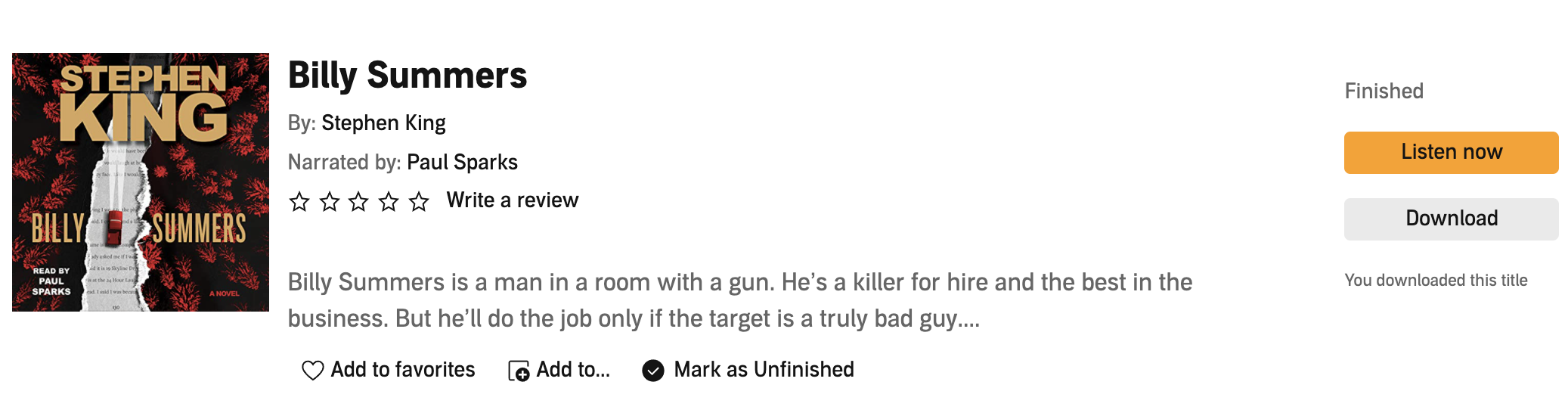
Billy Summers is, in my opinion, the best book Stephen King’s written in a great many years. It also stands out as being one of the best non-horror books of 2021, probably of the past few years at the very least. I’m not one of those to denigrate King just because he’s King; there’s a reason he’s perhaps the best-selling horror author of all time. He knows what he’s doing, even if I sometimes question his ability to stick the landing concerning his endings. Botched endings aside, most of his oeuvre is pretty well stellar, and even the material that hasn’t aged well is still worth diving into. With Billy Summers, while there are passing references to supernatural forces within the world (commentary on The Overlook Hotel), King has made what I consider to be his most pronounced deviation from the realm of horror and the supernatural. Beneath the surface, this novel has a lot to say about the subjective nature of morality, the fluidity of identity and self-identity, the importance of memory, and the relationships we develop in our lives. None of that overshadows the surface-level compelling narrative of Billy and Alice. Billy is an almost unnaturally skilled killer. While he’s an expert with firearms, he’s written with such humanity and depth that he never crosses the line into being a caricature of the action heroes from film and television. Highly literate, prone to in-depth analysis of both himself and those around him, and always planning, Billy has nevertheless immersed himself within a character he refers to as his “dumb self” when interacting with the criminals for whom he acts as a shooter. Providing his employers with a false sense of confidence derived from apparent superiority has allowed Billy to avoid being perceived as a threat, and it’s potentially kept him alive through the years. When Billy accepts what he imagines to be one last job, he’s provided with a long-term identity that brings to the surface a dream he’d never expected to pursue. As time passes and Billy immerses himself deeper within the fictional identity, he begins noticing some disturbing signs that everything might not be as smooth as expected when the time comes to complete the job. Thankfully for Billy, he’s much smarter and more capable than the people who hired him. As Murphy’s Law takes over and anything that can go wrong does go wrong, Billy finds himself in a complex paternal relationship with a damaged young woman. As they help one another heal, Billy learns that he’s still got one last job to complete, and it’s far more dangerous than the one he’d signed up for. The pacing is superb, and the balance of character study with narrative as we find ourselves led by King to the conclusion of the tale is about as perfect as one could hope to experience. Paul Sparks expertly tackles the audiobook narration, thoroughly capturing the different sides of Billy as he slips from identity to identity throughout the story. He additionally captures the secondary characters well enough that there’s never any doubt who we’re hearing in the dialogue. Sparks exhibits fantastic cadence as he guides us along the path King has carved for us to follow.
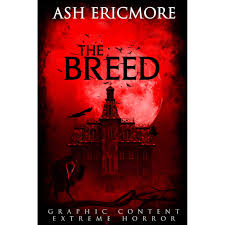
The Breed begins with Theo seeking refuge, hoping for nothing more than to use a phone to call his mother, his bike broken down in the rain. When he knocks at the door of Cullis House, his belief that he’s found a refuge is short-lived. Ericmore leaps ahead a matter of decades and we join two friends hoping to stay at Cullis House in the middle of their backpacking trip. Sore feet and the attention of a sleazy guest already in attendance are soon the least of their concerns. This story could be adapted to serve as a Hellraiser sequel with only minimal alteration required. One needs only think of the house in place of the Lament Configuration. Ericmore crafts a grotesque, sexually-charged nightmare that even Barker would be hard-pressed to deny as a suitable abbatoir for his playthings to explore.
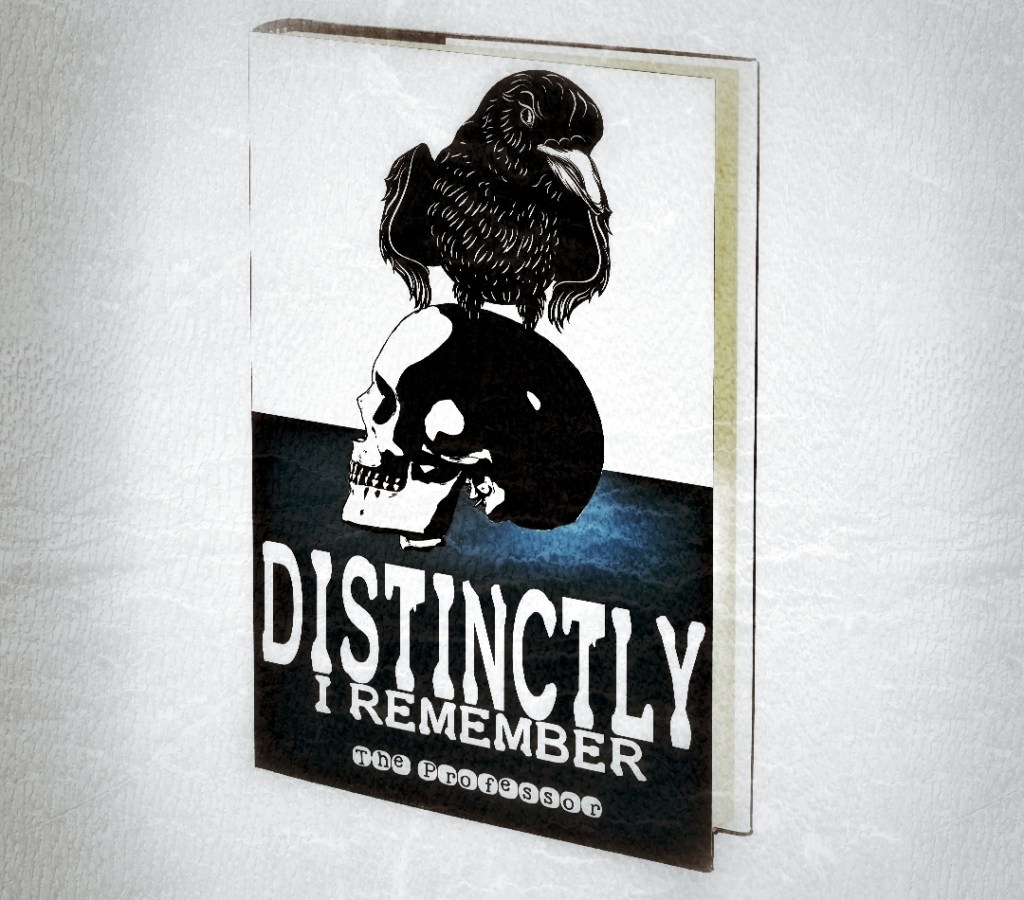
Distinctly I Remember further cements The Professor as the master of what can only be described as splattergothic literature. Even if he had any peers in this genre, they would be hard-pressed to approach the passionate embrace of topics considered taboo and the literary flair with which he delves into the depths of perversions that are both titillating and revolting. In this story, the influence of Poe is unabashedly on display, blending elements of The Raven and The Fall of the House of Usher into a tale of deeper darkness and depravity than Edgar Allan Poe would have dared document. Twins, a brother and sister, secluded and kept in isolation, become victims of the hallucinatory madness and obsession growing increasingly profound within the young man. The incestuous relationships and compulsions, often writ as subtext by traditional Gothic writers, come to the forefront with The Professor’s ministrations…and the story is all the better for that brazen lack of subtlety. As events unfold before us, we stare with rapt attention as a thing of beauty is systematically destroyed by the very admirer of that exquisite object of the narrator’s obsession.
This story was released as part of the AntiChristmas event at http://www.godless.com for December of 2021. You can pick it up for yourself by going to the website or by downloading the Godless app to your device of choice. The link is below:
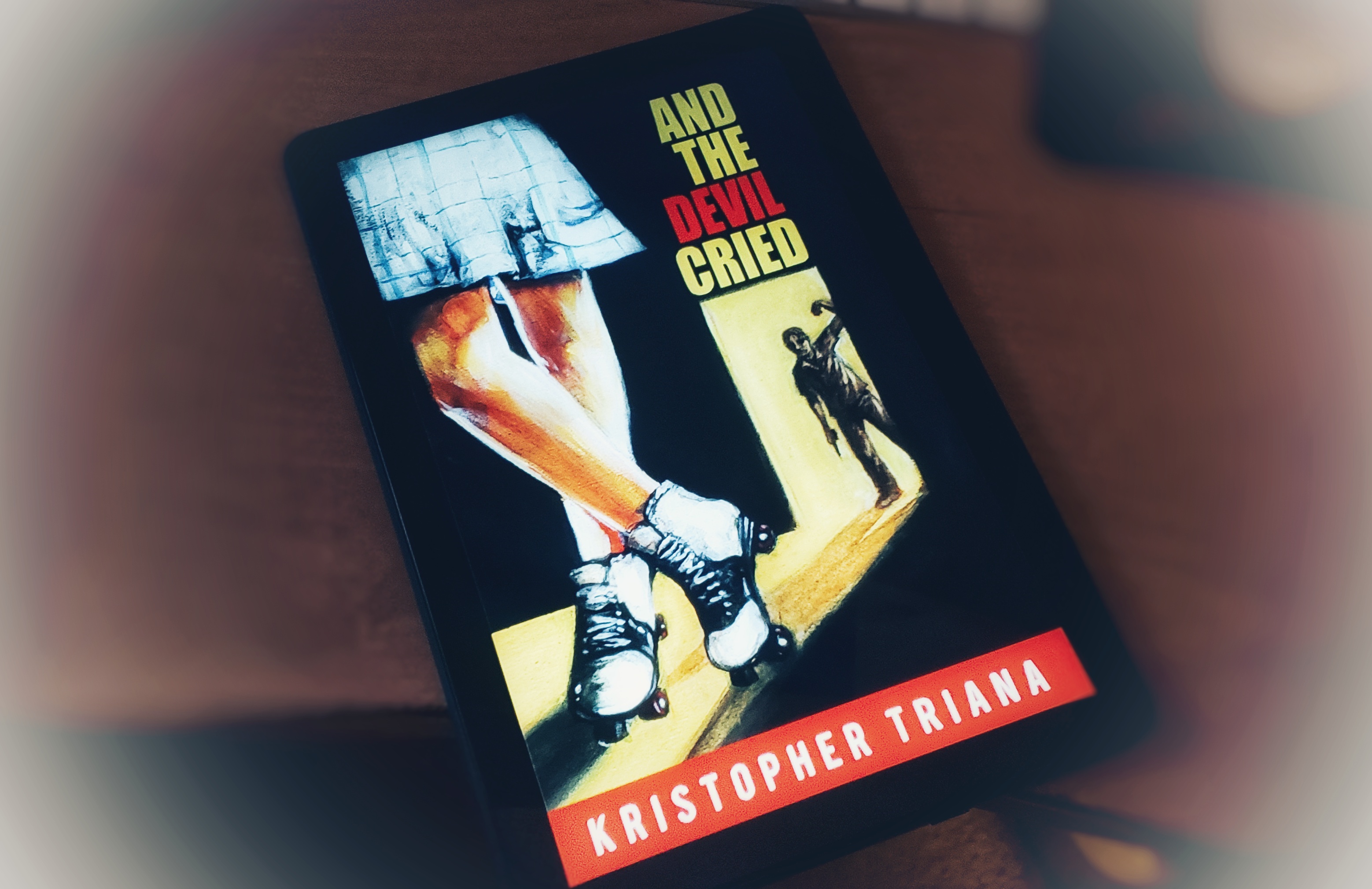
The release of Kristopher Triana’s And the Devil Cried is one of those examples of strangely serendipitous timing. It serves as an odd juxtaposition with Stephen King’s Billy Summers. Both stories are about men who became involved with organized crime after committing a murder during their youth and enlisting with the military. That is, of course, where the similarities end, as the characters themselves couldn’t be more different. Triana excels in crafting unlikeable characters. His true skill is in developing these characters who manage to be entirely captivating precisely because of how unlikeable they are. Jackie is a prime example of that. Committing his first murder at the age of 17 for no better reason than greed and bitterness over the good fortune of the victim, Jackie never strives to be a better person. After his time in the Army, Jackie never adjusts to civilian life, and he gets arrested for an attempted armed robbery. The story picks up as he’s being released and reacquainting himself with bad people he met while on the inside. As the story unfolds, you find yourself wishing he’d never been released, but there wouldn’t be much of a book if that were the case. Misogynistic, abusive, sexist, violent, bigoted, and fundamentally heartless, there’s not much about Jackie that resembles a human being, and that’s what makes him an excellent protagonist for this particular story. While this isn’t one of Triana’s extreme horror or splatterpunk tales, he brings those sensibilities to the pulp crime genre with a character so devoid of decency that he’s almost a caricature of what one might expect a hardened criminal to be. There are components of this story that are difficult to read. I’d suggest those are notably Jackie’s treatment of homosexuals in prison and his unabashed fixation on young girls, but it’s worth sticking it out to the end. Triana showcases a talent for writing hardboiled pulp crime that transcends the genre conventions. It’s a little bit Scarface, a little bit The Godfather, and all Triana. While it’s not my favorite of his books, it’s well worth reading and it displays a side of Triana as an author that I’d never witnessed previously. It’s encouraging to see him stepping outside of his comfort zone and exploring new ground, and that makes me curious about what he’ll have in store for us next.
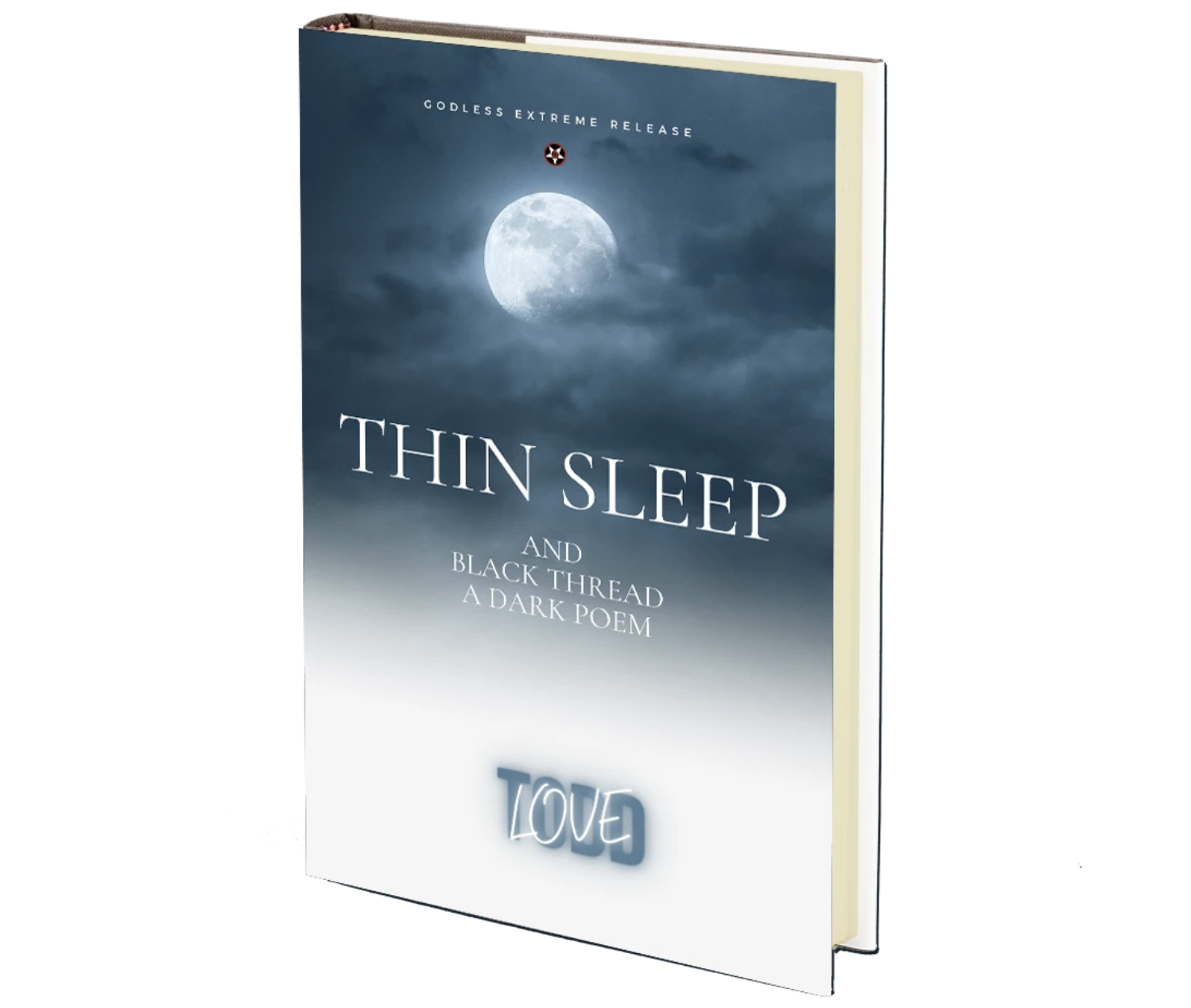
The lake and surrounding campground are empty as Autumn’s chased all but the locals away. It’s the perfect time for a fishing trip, and Rick, Gary, and Stephen fully intend to capitalize on that isolation as they catch up with one another after years of being caught up in their own lives. Plagued by nightmares and thin sleep their first night in the tents, the men can hardly wait to get out on the boat on their first day of the camping trip. What they find in the cold water is more than just fish, but that shock is nothing compared to what awaits on the shore. Will law enforcement discover any evidence of what happened to the missing men? Will we see some hint of light or peace at the end of this tale, or will the reader learn that nothing is quite what it seems in this distant campground? The reader feels the chill in the air and the terror experienced by the campers as their weekend getaway transforms into a living nightmare. Love breathes inauspicious life into this story just as he does everything else I’ve had the pleasure of reading. Todd Love always gives us more than we expect with his stories. This story also includes the beautifully sinister poem, Black Thread, with its shifting perspective and unexpected revelation. Love is out to prove to readers everywhere that he knows what he’s doing, and he does it well.
Thin Sleep is a Godless exclusive released for the AntiChristmas event at http://www.godless.com for December of 2021. You can pick it up for yourself by going to the website or by downloading the Godless app to your mobile device. The link is below:
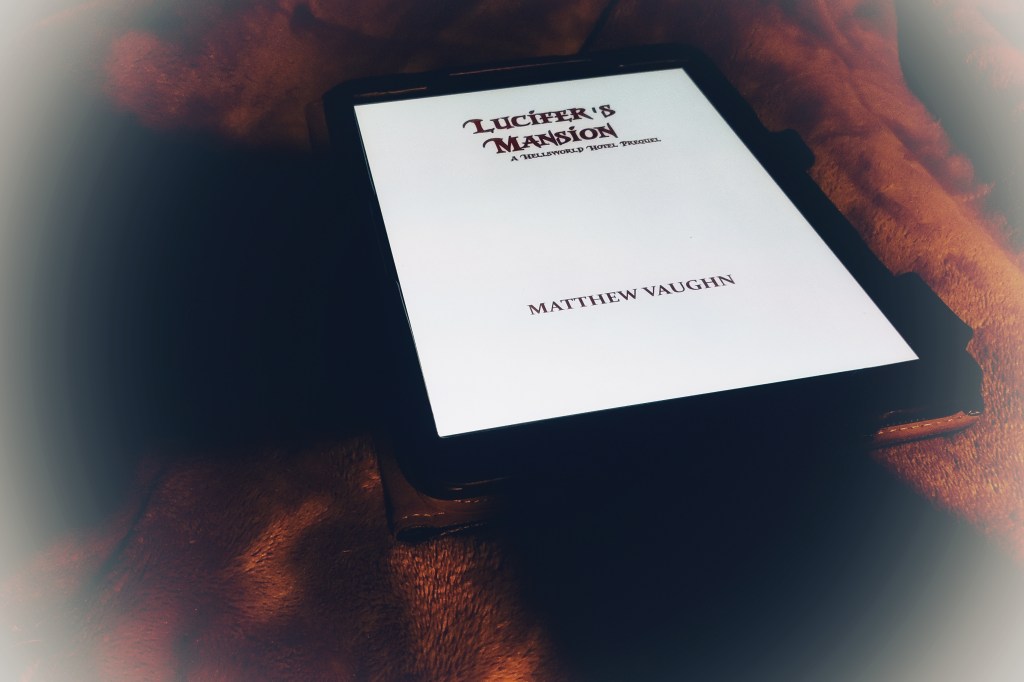
If one were to take the movies Haunt and The Houses October Built, place them into a blender along with some Texas Chainsaw Massacre and a splash of Satanism…well, you’d probably have a totally ruined blender…but you might also have the recipe for Matthew Vaughn’s Lucifer’s Mansion. When the abandoned old school building was purchased and converted into a haunted house by a mysterious family, the teenagers around town thought it would be a blast. In place of rubber masks, painted plywood, and smoke machines, what awaits visitors to Lucifer’s Mansion is an endless barrage of gore and sadism on display wherever one might look. Tasteless and cruel, the effects appear all too real for some of the visitors as they search for an exit, but not everyone who enters Lucifer’s Mansion is allowed to leave. The haunted house described by Vaughn is the sort of place I’d happily venture into, thus validating yet again that I am the first person to die in a horror movie. As a prequel to Hellsworld Hotel, this tantalizing glimpse of the world the author’s creating definitely encourages the reader to dive deeper into the darkness and depravity that surely awaits them.
You can read this for yourself by picking up the title from http://www.godless.com or by downloading the Godless app to your mobile device of choice. The link is below:
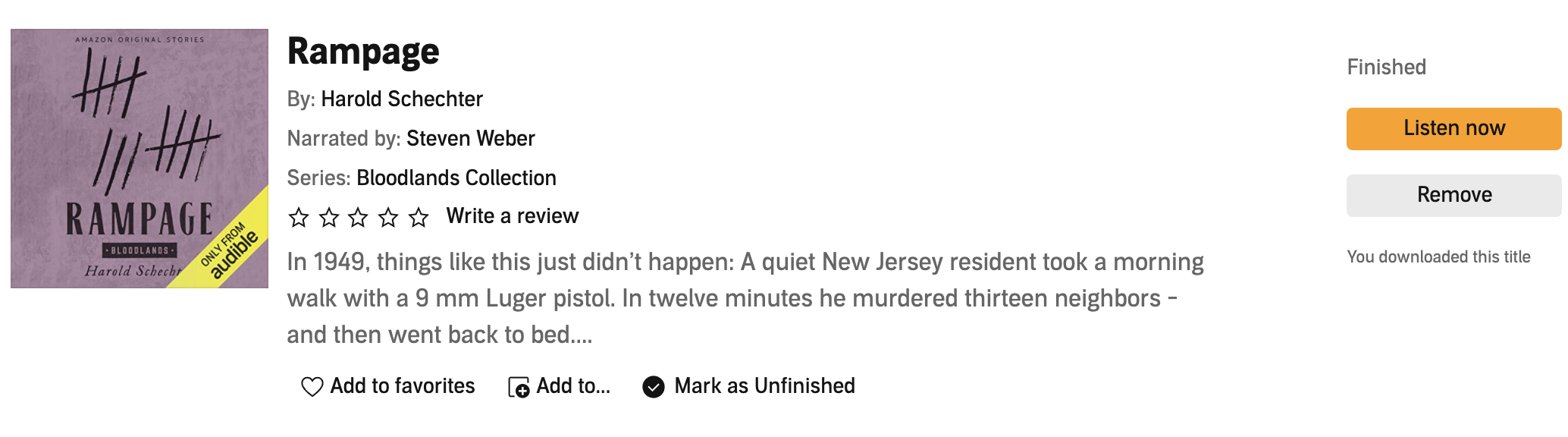
Rampage is the story of Howard Unruh, a man who, in 1949, would murder thirteen of his neighbors (and people passing through his neighborhood) before returning to his apartment and returning to bed because he’d run out of ammunition. As the killer himself indicated during an interview, he’d have killed a thousand if he’d had sufficient ammunition. Repressed homosexuality, experiences during the conflict of WWII, and assorted petty grievances against his neighbors simmered for years until finally exploding in a cold, meticulous series of killings that would thoroughly destroy the relative peace of Camden, NJ. Considered the face of modern mass murder, Unruh had no apparent interest in committing suicide at the end of his bloody rampage, nor any plan to be killed by the police. He simply wanted to kill the people he perceived as being aligned against him or of having committed one slight or another, and once Unruh started, he didn’t seem interested in stopping until he had no choice but to do so. The descriptions of the murderer’s flat affect and calm demeanor both during the rampage and during the subsequent questioning, while a bullet remained lodged in his thigh, were unnerving in a way I can’t quite put into words. Steven Weber’s narration was as high quality as it has been for the rest of the Bloodlands stories, and I would love to hear him narrating further true crime audiobooks and even documentaries.
 Domus Necrophagous