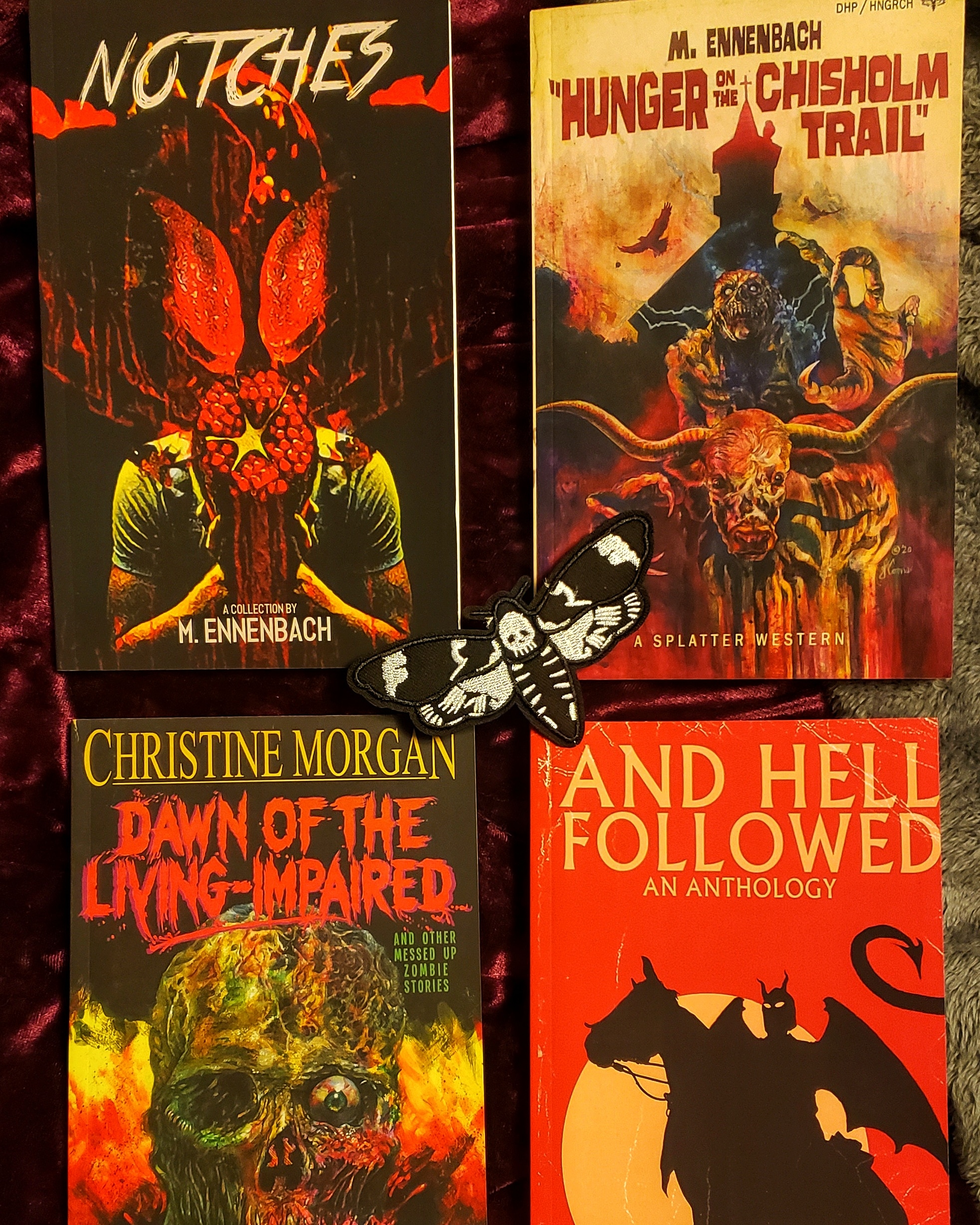
And Hell Followed: An Anthology

I hate trying to review anthologies.

Most of the time, I’ll rate them and leave it at that, but it also means I’m left with a lot of my reading material never receiving the review it deserves. I’m going to try to get better about that.

Death’s Head Press decided the Christian apocalypse–as popularized by The Book of Revelation, that hallucinatory bit of end times fan fiction John the Revelator got included in the Bible–would make for a fitting topic. They weren’t wrong.

It’s an uneven anthology, but it’s challenging to find one that maintains a certain tone throughout, so that’s not a fault. It’s not a bug, it’s a feature…so to speak. Whatever sort of horror you might be in the mood for, there’s something in this book for you.

We’ve got stories that are heartbreaking and strangely touching like Chris Miller’s Behind Blue Eyes and Godless World by Michelle Garza & Melissa Lason (The Sisters of Slaughter).

There’s sacrilegious, irreverent humor in Christine Morgan’s Censered, K. Trap Jones’s Ham and Pudge, and Hell Paso by C. Derick Miller.

There are unique, takes on the apocalypse or the interpretation of Revelations like those found in Apocalypse…Meh by John Wayne Comunale and Wrath James White’s Horse.

That’s not even half the contents of this anthology. As I said, there’s a little something for everyone. If you’re not opposed to a little bit of heresy and a whole lot of hell on Earth, I absolutely recommend this anthology.
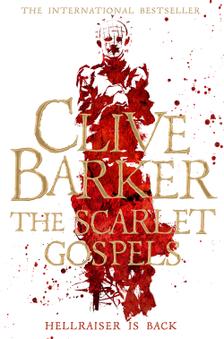
The Scarlet Gospels by Clive Barker

This review was originally written in May of 2015.

The Scarlet Gospels by Clive Barker​ was over far too quickly. I wish that this book had been longer, that there had been more to it, and it was already packed full. This was one of those books that I probably couldn’t have gotten enough of, no matter how long he’d ended up making it. I felt a sincere sense of disappointment when I finished the final page, not because the ending was disappointing in any way (which it was not) but simply because I knew that my time in the world Barker had created was over, and I didn’t want it to be.
I’ve shared some of my thoughts on this book already with a lot of people, along the journey, so some of this will be familiar to anyone who’s seen those thoughts expressed.
This was a perfect blend of the adventurous scope of The Great and Secret Show and Everville​ and the up close and personal horror of The Hellbound Heart, though it leaned a little bit more to the adventure end of the spectrum (but when that adventure takes place in Hell, it’s all horror).
I didn’t even need to make it 100 pages into the book before its hooks were buried deep. Harry D’Amour stumbling upon a Lament Configuration, knowing it for precisely what it was, and still feeling compelled to caress it was one of the best sequences in literature I’ve read in a long time.
Barker’s depiction of Hell is one of the most original I’ve ever encountered…a strange sort of mixture between Dante’s Inferno, Milton’s Paradise Lost, and the portrayal from the Hellblazer comics (more familiar to a lot of people as the source material for both the movie and television series Constantine​).
I’m not going to spoil anything, because you really need to read this for yourself…but this is a very transformative story for all those involved. No one comes out of the events of this novel unchanged, neither human nor demonic, and not even the fabric of Hell itself is safe.
Perhaps it’s wrong that I couldn’t help but picture Scott Bakula as D’Amour and that I couldn’t read Pinhead’s dialogue without hearing Doug Bradley’s voice and that certain cadence that he imparts in his portrayal of the character…but if that’s wrong, I don’t want to be right.
Now I just want to see this book adapted into a movie.

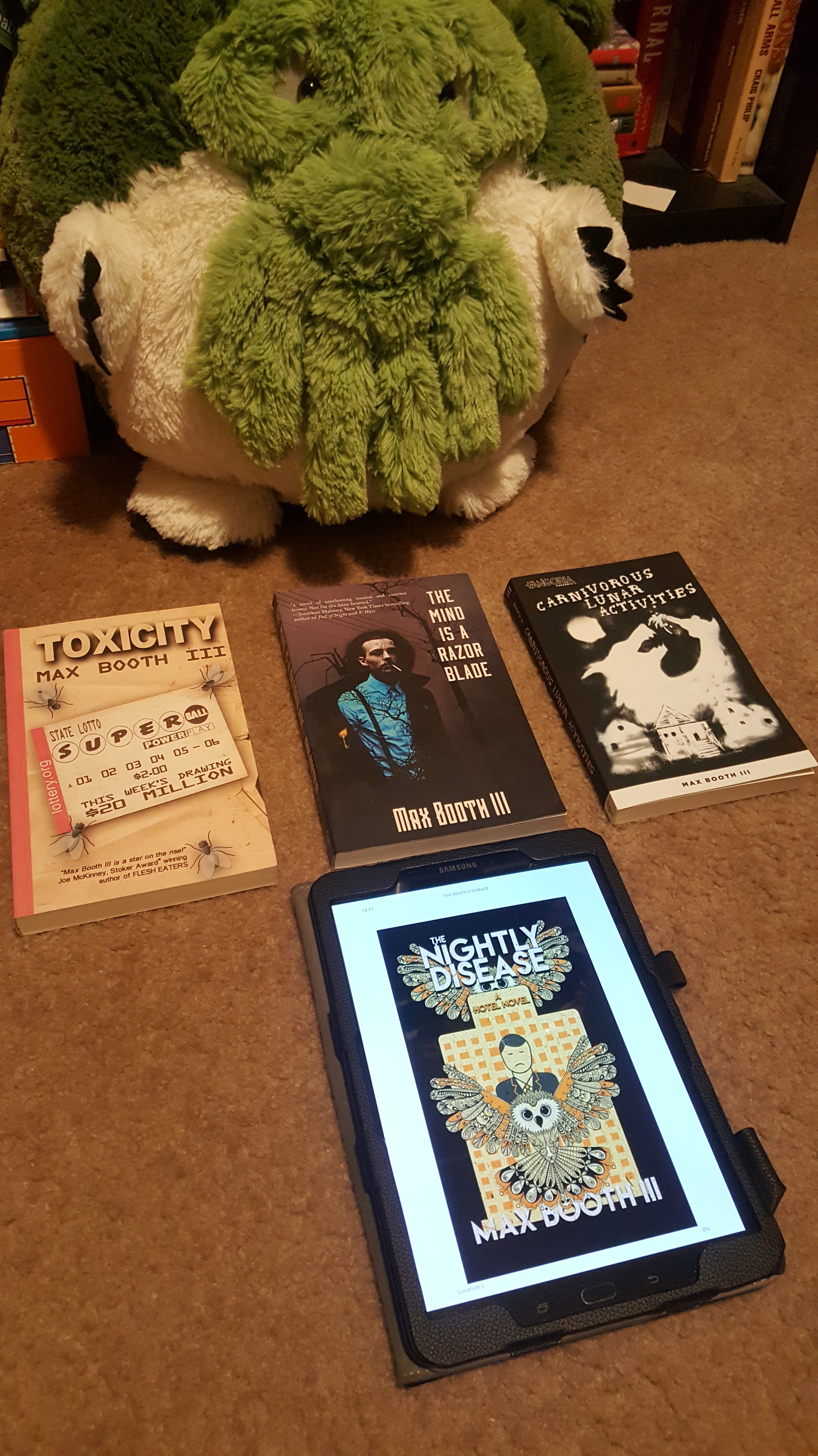
The Mind Is a Razor Blade by Max Booth III

This review was originally written in the summer of 2015. As you can probably tell from the picture above–as well as other, more recent reviews–I’m a bit of a fan of this particular author.

I went into The Mind Is a Razor Blade by Max Booth III without any expectations and no knowledge of the plot beyond what the back cover provided.
It starts off sporadic and disorienting, perfectly conveying the state of mind of our protagonist, the very definition of an unreliable narrator.
A man wakes up naked in a river with a corpse nearby and no idea who he is, who the corpse is, or how either of them got there. In the first few minutes of reading the book our protagonist has stolen a coat from a corpse, shot a man numerous times, and made a stumbling but successful escape from the police.
Believe it or not, the story gets crazier from there on out. As our protagonist begins getting a marginally better grasp on who he is and what is going on the narrative simply becomes more bizarre and disturbing along the way, keeping the narrator on his toes (and, by extension, the reader as well).
Through the protagonist, we become unwilling tourists through a city driven mad by drug use, organized crime that crosses into the supernatural while exhibiting the hallmarks of a cult, and inhuman creatures that hunt for organs from the populace…also, there are spiders, lots of spiders. In the midst of all of this, there is also redemption and at the core a sense that love can transcend even the most horrific experiences.
This book contained all of the best elements of noir, horror, a sort of perverse humor, and surrealism. If you’re a fan of the movie Dark City or the book John Dies At the End, this is definitely something you might want to check out.

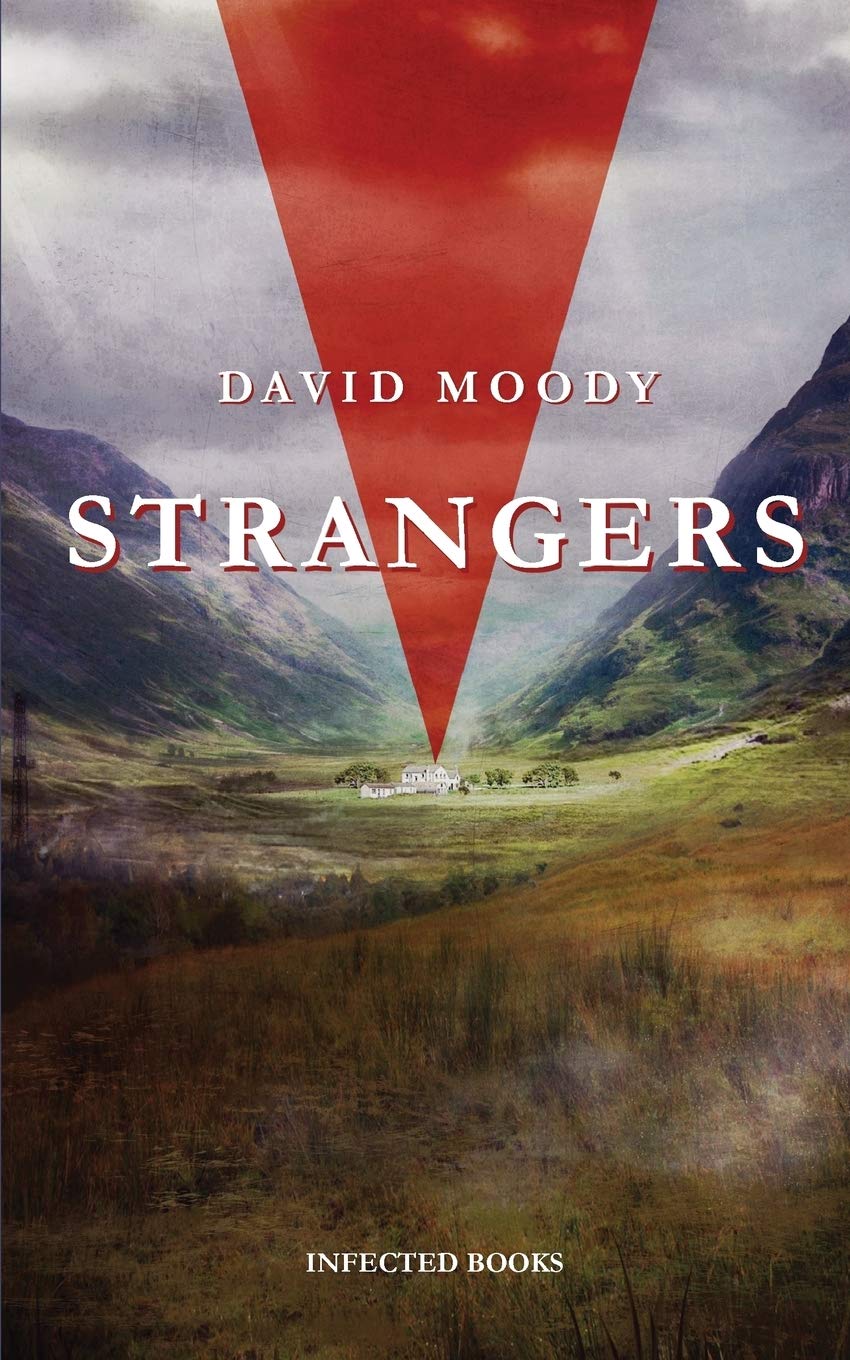
Strangers by David Moody

This review was originally written in 2015, but I thought it merited being shared here…now that I’m actively putting my blog to use.

I have been a long time fan of David Moody as an author, intensely enjoying his novels and short fiction to an extent that I can’t seem to experience with most writers.
Strangers, like many of his stories, is a desolate thing with some highly unpleasant subject matter and narrative twists. If you’re familiar with his work you will discover the elements of paranoia and division that arise in most of his stories to varying extents…but developed and explored quite differently.
The subject matter here is definitely adult and frequently more graphic than in his previous novels…running the gamut from domestic violence and the dangers associated with sex to the more eerie aspects of being uprooted and moving to a strange location surrounded by unfamiliar faces.
If you enjoyed the story Who Goes There? by John W. Campbell (the basis for John Carpenter’s The Thing, which was a truer adaptation of the story than the earlier film The Thing From Another World) and David Cronenberg’s Shivers, you will love this novel. I was thinking about the similarities between this book and the movies The Thing and Shivers not altogether too long before the same correlation is drawn by characters within the narrative, which was a nice touch by the author, outright paying homage to some of the clear influences.
This was an uncomfortable, spooky book, and I can’t recommend it strongly enough.

Full Brutal by Kristopher Triana, narrated by Dani George

If you’ve ever asked yourself what American Psycho’s Patrick Bateman would be like if he were a teenage girl living in the current age as opposed to Wall Street of the 1980s, Full Brutal by Kristopher Triana is the book for you. I’m only joking a little bit with that introduction because–much like Ellis’s most popular character–Kim is pretty, popular, and superficially passing as being not only normal but successful and even a role model of sorts. This is, of course, a facade.
As the story unfolds, Kim goes from being a calculating, manipulative sociopath dwelling on suicide–as much out of boredom and a desire to shock/stun the people who believe they’re close to her as very real depression over the fact that nothing brings her any sort of pleasure in life–to a cold-blooded monster. The turning point seems to be that pivotal decision in many teenager’s lives, whether they should have sex and with whom.
Developing a fixation on serial killers as well as torture-porn movies (and actual pornography featuring torture) and finding a spark of pleasure in these things, it’s no real surprise that everything goes dark and brutal from there. She determines her first time should be with someone she has to break down and degrade to get there, and she sets her sights on her sex-ed teacher. When sex itself turns out to be less than the life-changing experience she was hoping for, instead of letting it depress her further, she finds entirely new ways to get herself off.
Destroying lives, creating turmoil that spreads everywhere around her, and always seeking an even greater thrill, Kim finally discovers that catharsis she was desperately searching for. As she decides to go “full brutal” everything continues getting worse for those surrounding her.
Dani George provides fantastic narration that captures the coldness and cruelty of Kim as well as breathing life into the vapid superficiality of her peers and friends–if one could consider these people to be either of those things.
I’m torn, because I appreciate the way this book turns the psychopathic killer trope on its head in a sense, transitioning the usual victim of these sorts of stories into the perpetrator. The skillful storytelling is the same as I’ve come to expect from Triana, along with the depravity and attention to gritty, unsettling details. Those things are fantastic elements.
On the other hand, I feel like Kim is sort of an exaggerated, almost sexist caricature of the sort of girls all rape-culture assholes like to pretend are all over the place. You surely know what I mean if you’ve bothered to torture yourself by reading incel screeds and the like. To a certain sort of guy, the world is populated by girls/women who will manipulate, dominate, and take what they want at any cost. For that sort of person, all girls are a stone’s throw from threatening to cry rape if they aren’t getting everything they want, or just because it’s funny to ruin someone’s life. To guys like that, most (if not all) girls are secretly very much like Kim…excepting the murderous streak. In that sense, I find the character and the story to be a bit problematic in the same way I would if the protagonist were a caricature of the mythical “welfare queen” from the Reagan era…as it sort of breathes life into an ignominious stereotype that should be allowed to die the off-screen death it deserves.
Taking the good with the bad, I still can’t help but recommend this book to anyone who enjoys extreme horror. The best sort of horror is the kind that makes you uncomfortable and forces you to examine things you’d rather ignore, and that’s precisely what you get with Full Brutal.

Eight Cylinders by Jason Parent, narrated by Joe Hempel

Jason Parent’s Eight Cylinders captures a sort of grindhouse action/horror vibe that I appreciated a great deal. We’ve got a story about crime, cars, creatures, confusion, and condemnation in the middle of the desert…and if that doesn’t appeal to you at least a little bit, there’s probably something wrong with you.
Comparing it to movies and other visual mediums, as I usually do, it’s a little bit Tremors, a touch of From Dusk Till Dawn, a good bit The Road Warrior, and a dash of the old show The Prisoner (or maybe, for those who never watched that one, Lost). If you were to toss all of that into a blender and add a splash of cosmic horror, you’d end up with something along the lines of Eight Cylinders.
This story had me invested as soon as Seb began using a novelty Magic Eight Ball glass eye to make his decisions for him as he sped away from Vegas after a deal gone exceedingly bad. Criminal and “bad guy” that he might be, Seb is particularly relatable as a protagonist, and you can’t help but cheer him on as he races through the desert multiple times throughout this short tale. The attention to detail concerning cars, trucks, and ATVs through the narrative gives one the impression that Parent is a bit of a gearhead at heart, or certainly one who spent some quality time researching this tale with gearheads…and that comes through clearly with Seb’s absolute love for his Dodge Charger and his appreciation of other vehicles in the narrative.
Joe Hempel’s narration is excellent, and I’ll surely be watching for other titles he’s provided his voice talents to.
My sole complaint about this story is that it felt a little rushed at times like we were racing from one point to another without getting enough time to really experience where we were.

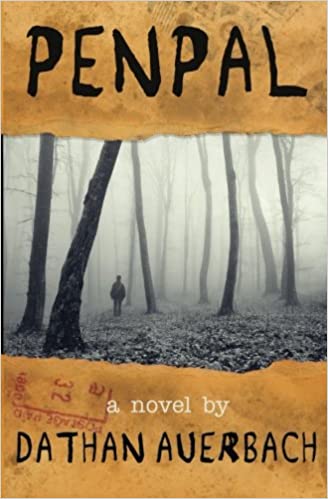
Penpal by Dathan Auerbach

This is a review I’d originally written in January of 2016. I wanted to post it here because this happens to be one of my favorite books.

Dathan Auerbach created one of the most disturbing novels I think I will ever read with Penpal.
I don’t know that I will be able to shake the feeling left behind from reading this book for a while to come.
Perhaps some of the feeling of being unsettled is due to the fact that I relate a great deal to the protagonist laying out the story. As a child I had few friends, when I had any, and a great deal of that youth was spent wandering aimlessly through the woods here in the Black Hills of South Dakota…either by myself or with one or another of the small number of friends I was somehow fortunate enough to make. Much like the child in Penpal, I filled the forest with sinister things in my own imagination, especially in the darkness as night approached. Needless to say, I felt a sort of kinship with the young boy in this book, and that made the events of the narrative that much more difficult to shake.
Even without that sort of association, the story would be a spooky one though for anyone, I think.
During Kindergarten, the boy’s class has a project. They were to write a brief letter to accompany a helium-filled balloon requesting a letter and a photo. As the letters begin coming back as response, our protagonist finally receives a single Polaroid photo without any explanation. More letters come in and are ultimately ignored until months later when it is discovered that he is in many of the pictures that his new penpal is sending…and that is really just the beginning.
As a parent and as a former boy who spent his days and nights exploring the woods near home, this is without a doubt one of the most uncomfortable books I have had the pleasure of reading. I am torn between hoping that Dathan Auerbach has more books to come and half-heartedly wanting him to call it quits after a novel that would be challenging to top.

Willy’s Wonderland (2021)

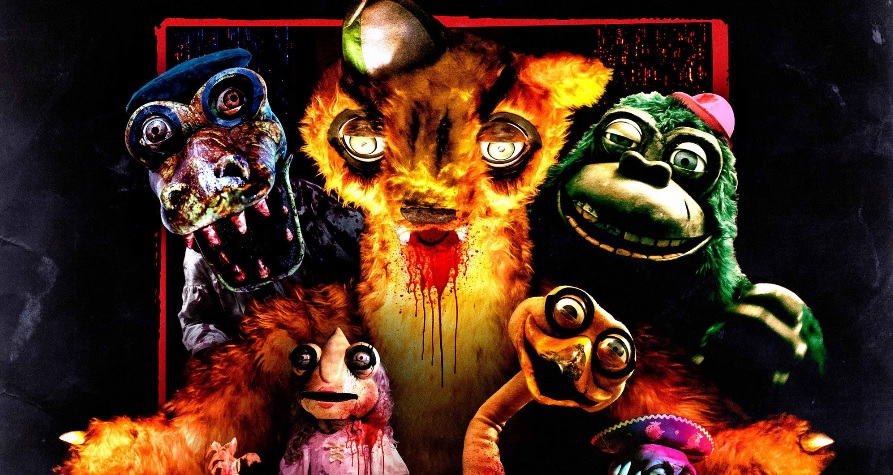
Willy’s Wonderland comes closer to being an adaptation of Five Nights At Freddy’s than The Banana Splits Movie managed a couple of years ago. I loved them both, but I have to say Willy’s Wonderland succeeds in surpassing The Banana Splits Movie in almost every way one could imagine. This could easily be one of the best horror/comedy flicks I’ll ever see.
Nicolas Cage, as the unnamed janitor, does more with over-the-top expressions and action than many actors could pull off with a full script of dialogue. There’s a sort of hilarity to the total and complete lack of dialogue from the actor and the focus on a face that conveys exaggerated grimaces and sneers with such ease. We learn nothing about the janitor’s life before unfortunate circumstances led to his being locked in the dilapidated Willy’s Wonderland building overnight. Dog tags dangle from the rearview mirror of his car, hinting at possible military service in the past, but that is the extent of our protagonist’s backstory.
That’s ok, though.
We learn enough to know that if we ever need a janitor who can excel with a virtually impossible job on their plate and constant distractions, this guy is our man. If this were a video resume, I’d hire the dude for his work ethic alone…though he does appear to be a bit inflexible concerning when he takes his breaks.
We learn plenty of backstory regarding the town of Hayesville and the history of Willy’s Wonderland itself. A Chuck E. Cheese-like establishment owned and operated by a serial killer who hired other serial killers to work as the staff. There’s something about a Satanic suicide ritual that allows the murderers to inhabit the animatronic bodies of the various cartoonish hosts of the place, and an uneasy bargain struck with the town’s inhabitants to keep the evil contained to the building itself.
It’s absurd, gory, and ridiculously violent…and it is, in my opinion, a must-see for anyone who enjoys the Five Nights At Freddy’s games or any sort of ludicrously violent movies where teenagers and other people are slaughtered and oil replaces blood splatter as animatronic monstrosities are dismembered by the best janitor the world will ever see.

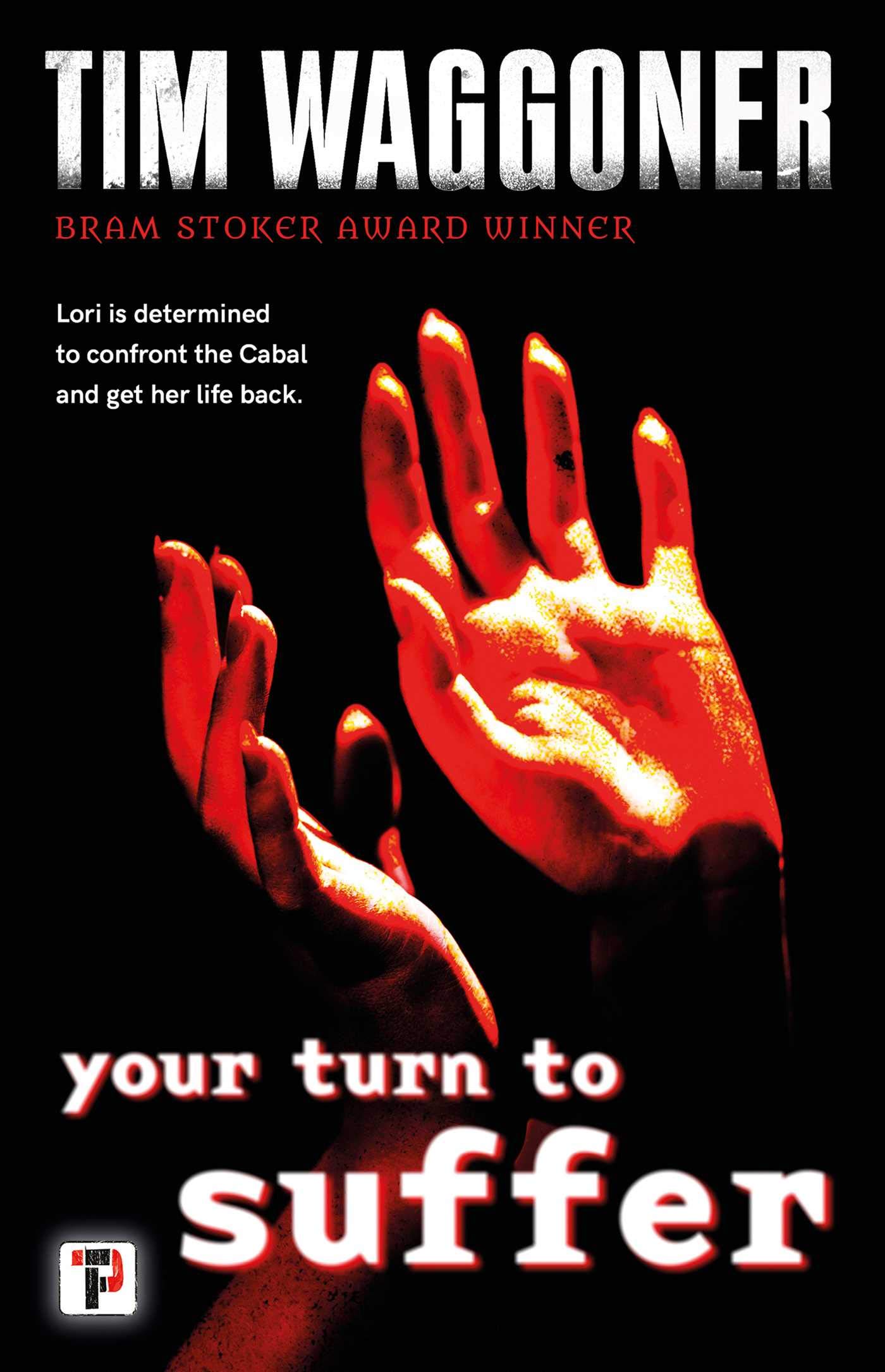
Your Turn To Suffer by Tim Waggoner

Tim Waggoner’s Your Turn To Suffer is one hell of an experience. The story that unfolds on these pages is reminiscent of Clive Barker at his horror and fantasy weaving best, while still feeling original and authentic as a Waggoner novel. Blending horrors both supernatural/unnatural and psychological, Your Turn To Suffer draws you in and refuses to let go.
Seemingly out of nowhere, a random encounter on the street, followed a week later by an even more surreal and disturbing one in a grocery store sends Lori’s life spinning out of control. From an admittedly disorganized life as a physical therapist with a complicated living arrangement with her slob of an ex, her world becomes something unrecognizable as familiar places become unsafe and the people in her life are transformed into horrifying, monstrous strangers.
Lori is forced to come to terms with her past as she struggles desperately to discover what she needs to confess to and atone for.
This story reads like one of those nightmares you wake up from only to learn you’re still sleeping and experiencing a nightmare…except that it just continues like a Russian nesting doll of nightmares within nightmares. The narrative paints a distorted and dreamlike allegory, showcasing how guilt, even (or especially) when associated with long-forgotten–or suppressed–memories can weigh heavily on us.
Once you’re on the Nightway and heading toward the Vermillion Tower, it’s already too late. The Cabal has you. You will suffer.

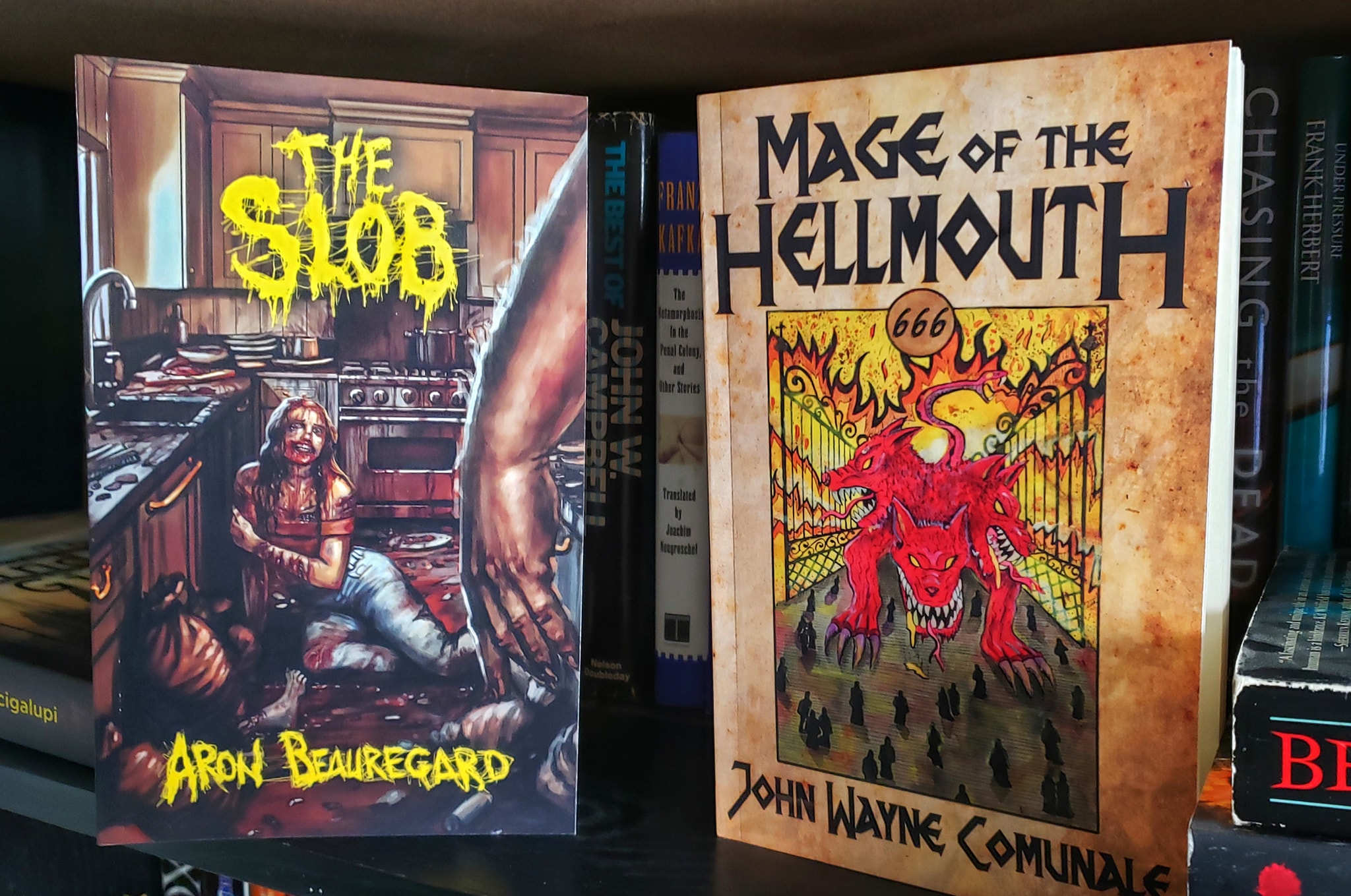
Mage Of the Hellmouth by John Wayne Comunale

John Wayne Comunale’s Mage of the Hellmouth is both surreal and captivating. It’s entertaining in the way a lot of subversive fiction is, and the horror of it sort of runs along with a similar style to Jacob’s Ladder and other psychologically unnerving horror stories that make you question what’s real and what’s not along with the characters. Apropos of the Jacob’s Ladder reference, this book even includes a bizarre scene of graphic sex at a party where our protagonist, Jake, is forced to question whether he’s simply too intoxicated or really witnessing the events taking place.
It’s a quick read, and it’s well-paced to keep you invested in everything taking place on the page…as you follow Jake from his late-20s slacker, stoner, drunk life of tedium working for the Fam-Mark ice cream company through the progressively sinister experiences and encounters with co-workers and friends as he takes on his new role at the main facility. And when I say “role” it has multiple meanings, as the events in Jake’s life dovetail with an old tabletop RPG he’d played as a child, Mage of the Hellmouth.
In the end, this is an example of no good deed going unpunished…as Jake receives the reward for the marginal part he’s played in grand events he had no way of anticipating.
The only issue I have with this book is a time jump/recollection that initially seemed like a formatting error. Upon finishing Chapter 7, the content that doesn’t appear until Chapter 10 seemed like it should have followed…making Chapters 8 and 9, Chapters 9 and 10 respectively. The ambiguous shift back to earlier in the story is not a deal-breaker by any stretch of the imagination, since the story as a whole was a terrific read just the same, but it was a bit jarring and led to momentary confusion until I’d caught on to what was going on.