Generative Artificial Intelligence & Entitlement

It doesn’t take much analysis to conclude that the push by some people to accept Generative AI as a valid tool is rooted in a strange sense of entitlement. They act as if they deserve to be artists without doing the work required to be an artist. They talk as if all it takes to make someone an artist is the desire to have made art–sans the actual process of making it. They fixate on the product and ignore the process, brushing it all off as if the stages between idea and realization are irrelevant.

How do these people arrive at the erroneous conclusion that simply having an idea is the hard part, or the valuable aspect of artistry?

As near as I can tell, every artist I know has dozens of ideas popping into their heads daily. Most of these ideas are immediately dismissed. Some get a pin put in them, just in case they come back around. And a small minority get recorded or memorized for later evaluation. Of those that get recorded, a smaller number survive further evaluation and analysis. Sometimes an idea that seems good ends up feeling too derivative, less captivating than it initially seemed, or otherwise not worth pursuing. This leaves us with a minuscule number of ideas that reach conceptualization or outlining, and sometimes those turn into fully-realized creations.

That is the largest part of what it is to be an artist. We kill our darlings far more often than we breathe life into them, and sometimes they don’t get culled until we’ve dedicated substantial time to the process of bringing them to life.

The idea isn’t the hard part; it’s transforming that idea into something worth the time, effort, and bandwidth that is challenging. It’s the research, writing, rewriting, and polishing that takes the most time.

Are all of these Generative AI advocates really so solipsistic that they believe they are the only ones who have artistic ideas? Or is it that they aren’t like the artists I know, and ideas rarely (if ever) come to them, leading them to believe that simply having an idea makes them special?

Are there other careers or hobbies about which people feel entitled to participate?

Do they look at physicists, chemists, physicians, pilots, attorneys, sculptors, woodworkers, and others, the whole time thinking they’re entitled to be one of them too? I can’t even begin to wrap my head around looking at people in most professions and sincerely thinking, “I should be able to do what they’re doing without any of the study, practice, and effort.” None of it comes without work. I don’t care if it’s a teacher, a custodian, or the person jockeying a register at a fast food establishment; they don’t get to wave a magic wand or type in some magic words to get where they are.

What is it about artistic pursuits like music, literature, and the visual arts that have so many people believing they deserve to enjoy the outcomes without any of the effort and time involved?

This isn’t remotely similar to digital cameras and editing replacing film-loaded cameras and dark rooms, or machines taking over where sweatshop labor used to be the standard. Yes, some people lost their jobs due to technological changes, as various specializations became obsolete. But new careers emerged, and many of the same skills translated into the new environments. Photographers still had to know how to take photos (framing and composition, lighting, shutter speed, and so on) and learn to apply what they knew to digital processing of their photos. Machines that replaced sweatshop workers and manual laborers still needed designs and plans to work from. They still required maintenance and quality assurance, and the most skilled workers often still had related work to do, with some new technology involved.

Generative AI is not the same as Analytical or Assistive AI applications, such as search algorithms, spell check, speech-to-text, and other things we take for granted in everyday life. Those are tools that do little more than simplify and streamline certain processes. They don’t replace the human at the core of the creative process.

Pretending that Generative AI is just another tool is like saying that Michelangelo was a tool for the Catholic Church when he painted the Sistine Chapel. Commissioning a piece of art, whether it’s a sculpture or a digital painting, does not make you an artist. That remains the case, no matter how particular you are or how detailed your descriptions happen to be. The U.S. Supreme Court appears to share this perspective, refusing to hear a case arguing that one should be able to copyright the product of Generative AI.

All the arguments in favor of Generative AI are disingenuous. They fall apart under the most rudimentary scrutiny. This is especially true for the folks making the fatuous claim that opposing Generative AI is ableist. The best part about those arguments is that the people making them are the ones with an ableist perspective, infantilizing and patronizing disabled people by talking as if people with disabilities aren’t capable of creating art. Beethoven was deaf before he completed some of his most magnificent compositions, for fuck’s sake. And he’s far from the only example. People with disabilities of all kinds have been creating art for as long as we’ve been creating art, and they’ve been doing it well. These disingenuous assholes–never seemingly disabled themselves–want to pretend that Generative AI is some sort of great equalizer for disabled people.

The only equalizing taking place is pandering to those who don’t want to take the necessary time or exert the necessary effort, while enjoying instant gratification. I’ve heard several arguments in favor of Generative AI centered around people being too busy to sit down and write. Most of us are just as busy. Most authors work full-time jobs while they’re writing. Many of them have children to provide for and other responsibilities. It can take years to get from the first line to the conclusion of a book, even for people who have the luxury of writing as a career. Michael Crichton spent two decades writing Sphere and the better part of a decade writing Jurassic Park. This isn’t a new development. The Catcher in the Rye required a decade of work on the part of J. D. Salinger. Hell, it took me roughly 20 years to write my second novel, Innocence Ends. During these extended periods, what’s being written can undergo so many changes that the final product barely resembles what the author originally had in mind.

While entitlement may be the root cause for the use of Generative AI, it’s greed that keeps the corporations overextending themselves and overpromising all the way to the bank. They plan to take away an artist’s ability to profit from their art, while profiting from the use of Generative AI to produce shitty, lackluster facsimiles of art.

All of this, of course, ignores the theft of Intellectual Property by corporations that aggressively defend their own. It ignores the massive energy consumption of even seemingly innocuous tasks processed through Generative AI. It ignores the out-of-control spending on data centers that spike energy demand without paying proportionate costs, while draining water supplies and often poisoning the groundwater for the regions where the data centers are built.

Generative AI is not providing a net positive to our society or culture, and in the end, the only people who stand to benefit from it are those controlling the service.
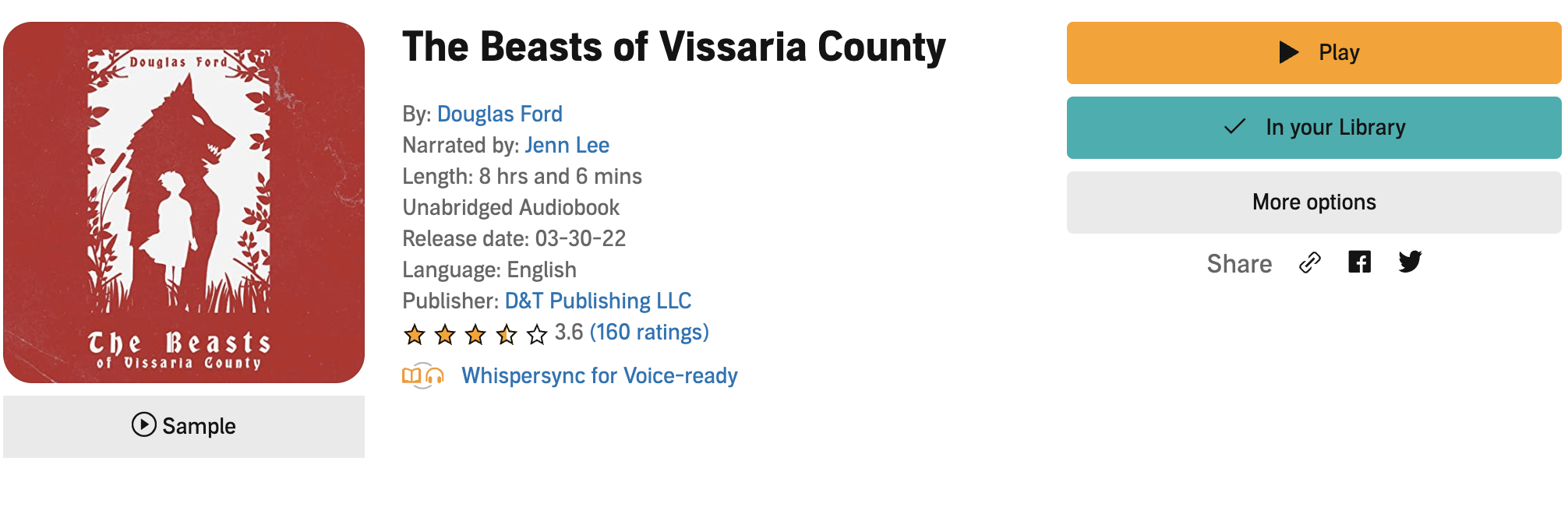
The Beasts of Vissaria County by Douglas Ford, Narrated by Jenn Lee

The Beasts of Vissaria County is not what you expect. It doesn’t matter what your expectations might be as you approach this narrative; I can guarantee that you’ll probably find yourself shocked and surprised. The nature of Douglas Ford’s book is as ephemeral and challenging to nail down as the narrative itself, but you’ll find yourself propelled along as if you were in a dream, with Ford as the feverish and abstract architect.
Maggie McKenzie escapes the nightmare of her marriage and, along with her son, seeks a transient sort of safety and solace with her disagreeable father in the backwoods of Florida. She’s a damaged woman–bitter and unhappy–but stronger than she knows. Cursed with an unquenchable curiosity, she’ll soon find herself at the heart of a mystery that becomes more convoluted the deeper she digs.
Any sense of normalcy gets disrupted when she encounters her elusive and peculiar neighbor, WD. The lines that separate reality from fiction, dreams from waking, and myth from fact become increasingly blurred as the story continues from there.
While I wasn’t a big fan of Jack Williamson’s Darker Than You Think, I can’t help but feel that Ford has crafted a sort of spiritual successor to that 1940s novel. The Beasts of Vissaria County takes that same dreamlike, blurry quality and improves upon it in almost every way. In its strange and surreal storytelling, we capture hints and fleeting glimpses of beasts that may or may not be there–or may not be fully there.
The narration provided by Jenn Lee fully brought Maggie to life, embodying her indomitable spirit and the blend of skepticism and curiosity that drives her along the meandering paths she follows.

This title is also available on Godless. You can find it by going to http://www.godless.com or by downloading the Godless app to your mobile device of choice. The link is below:

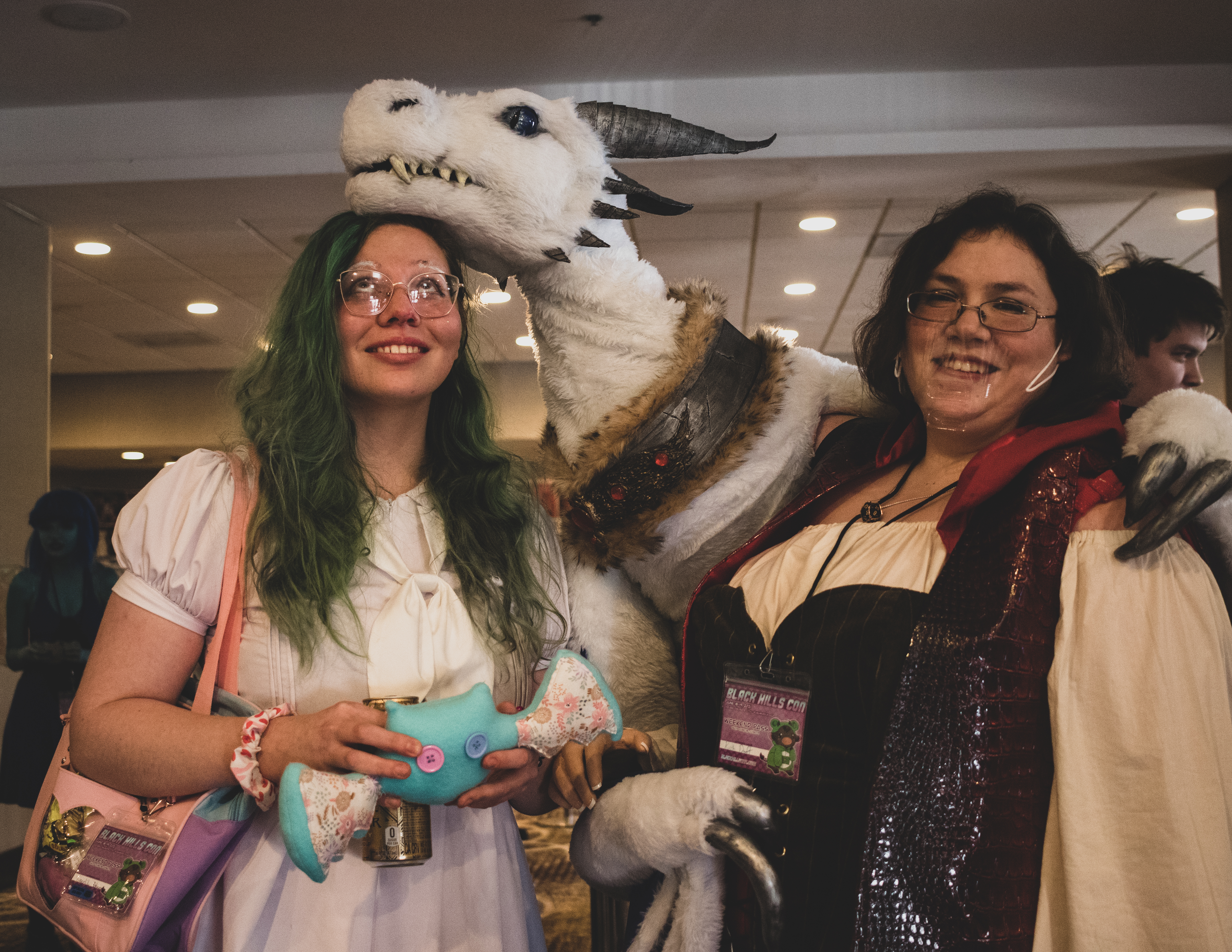
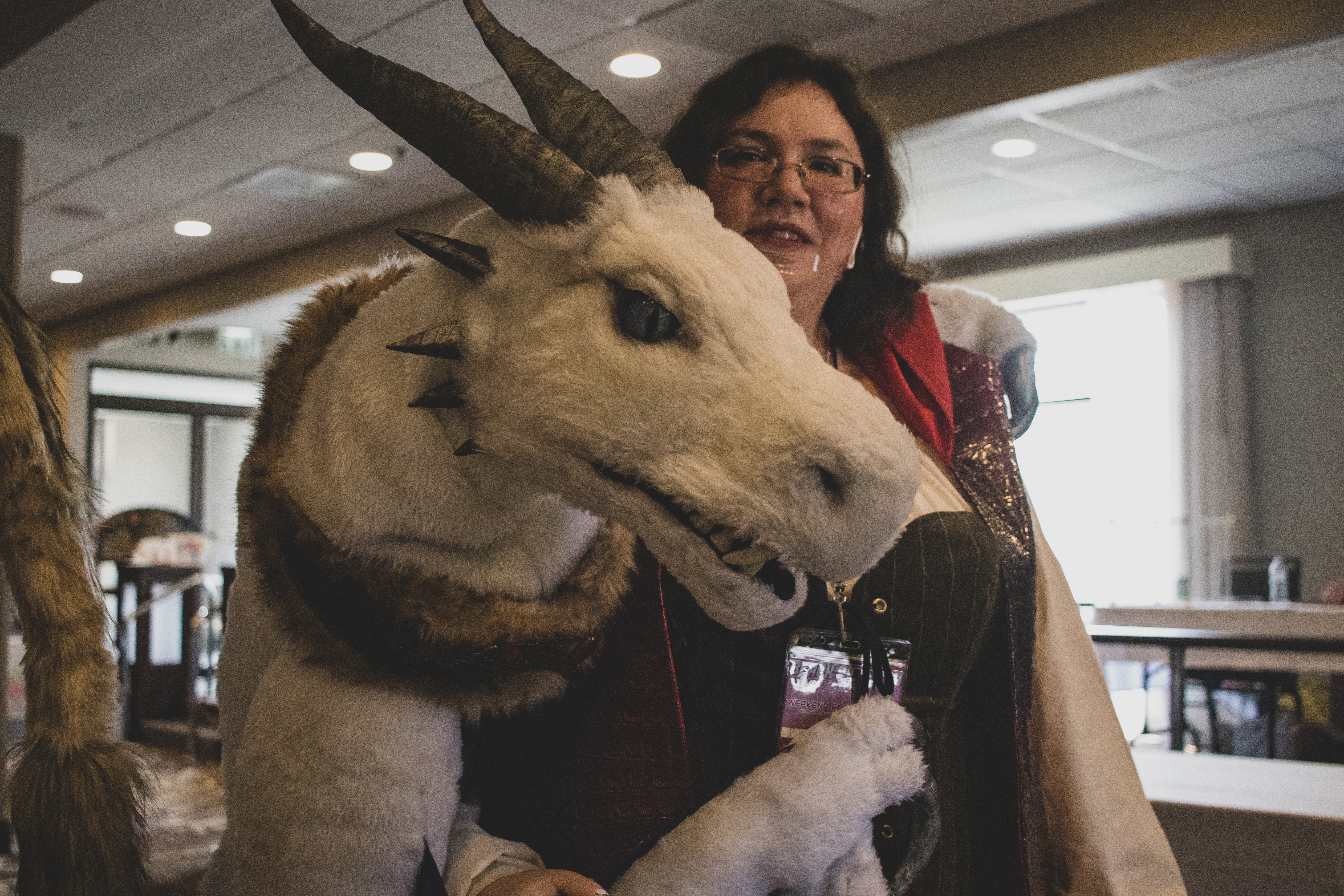
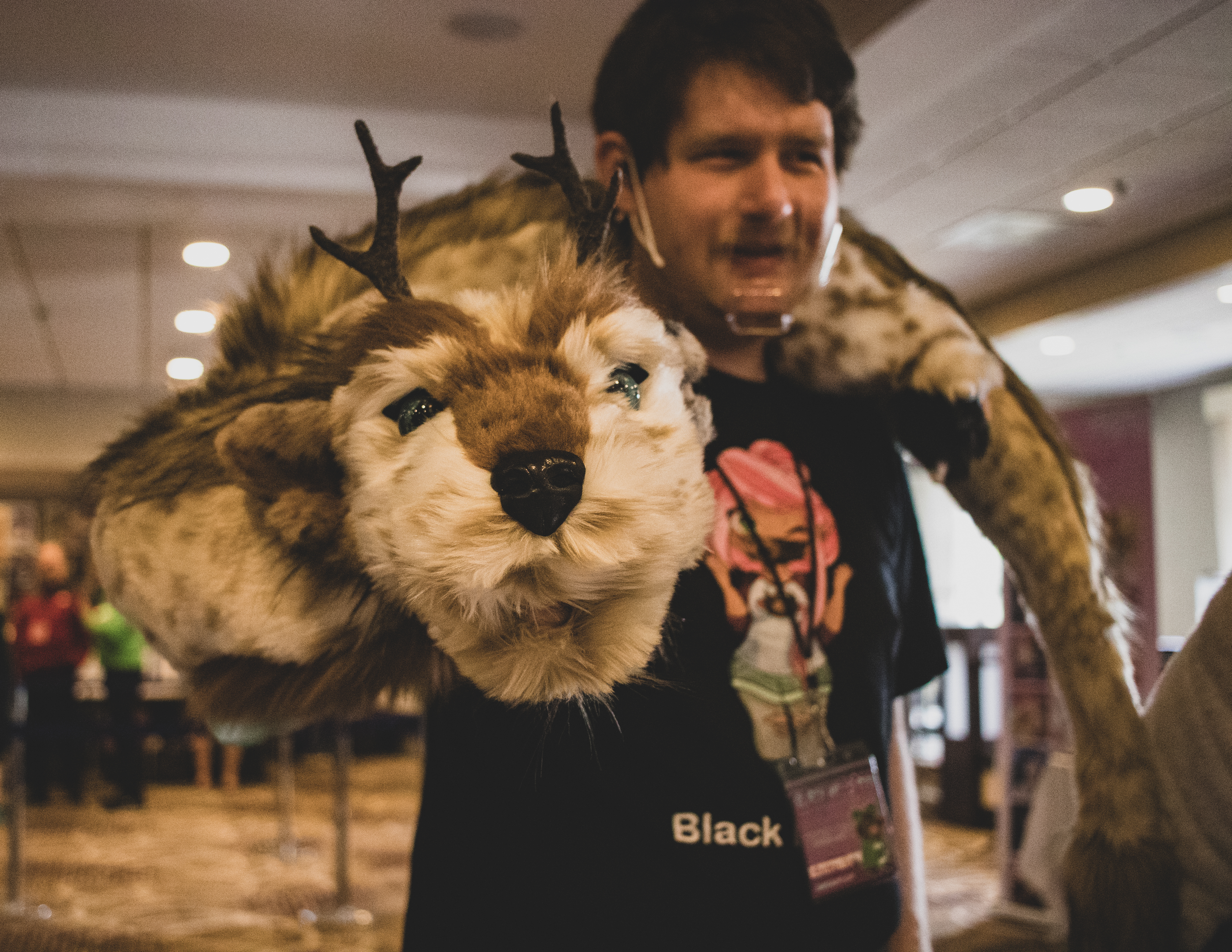
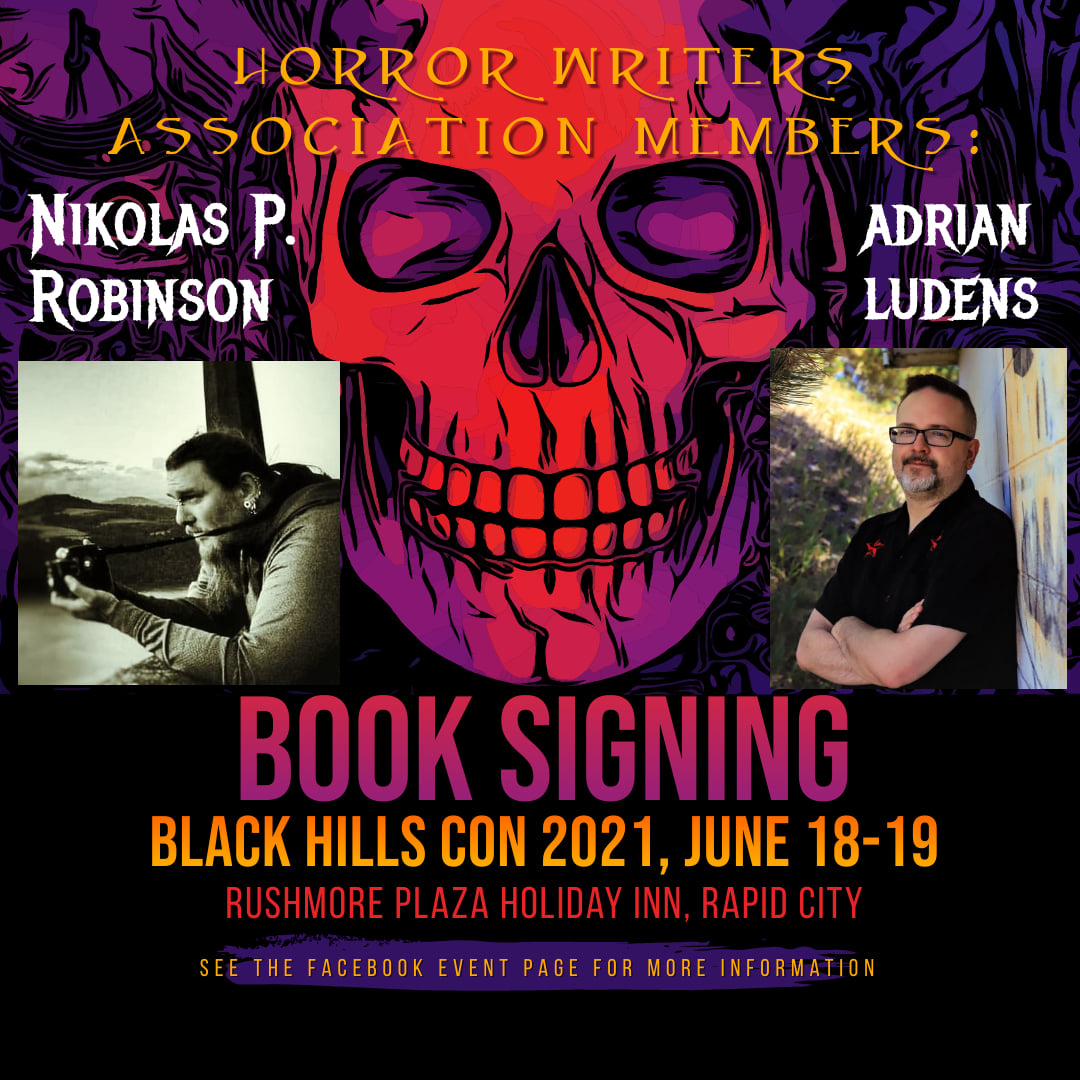
Black Hills Con 2021

This weekend has been a busy one for me.

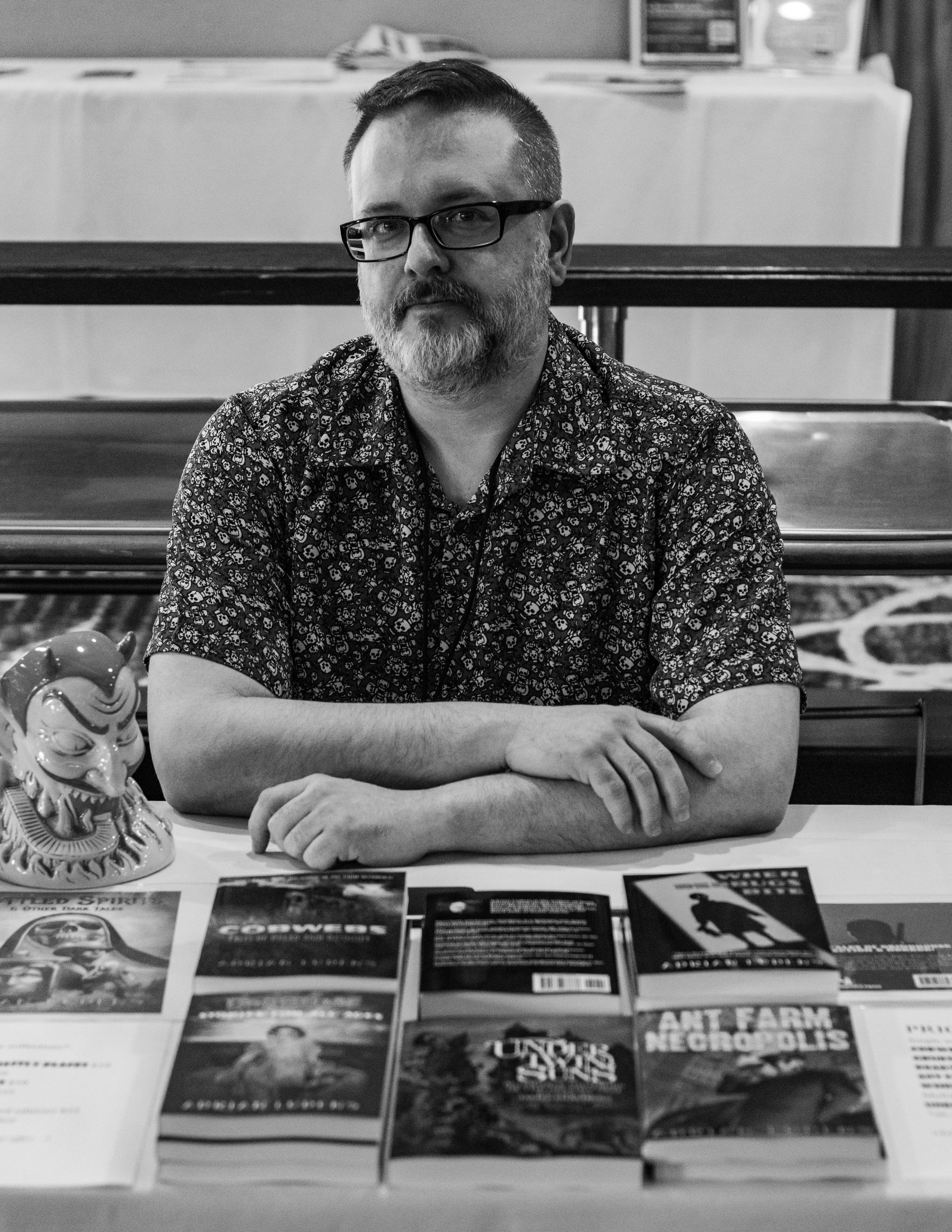
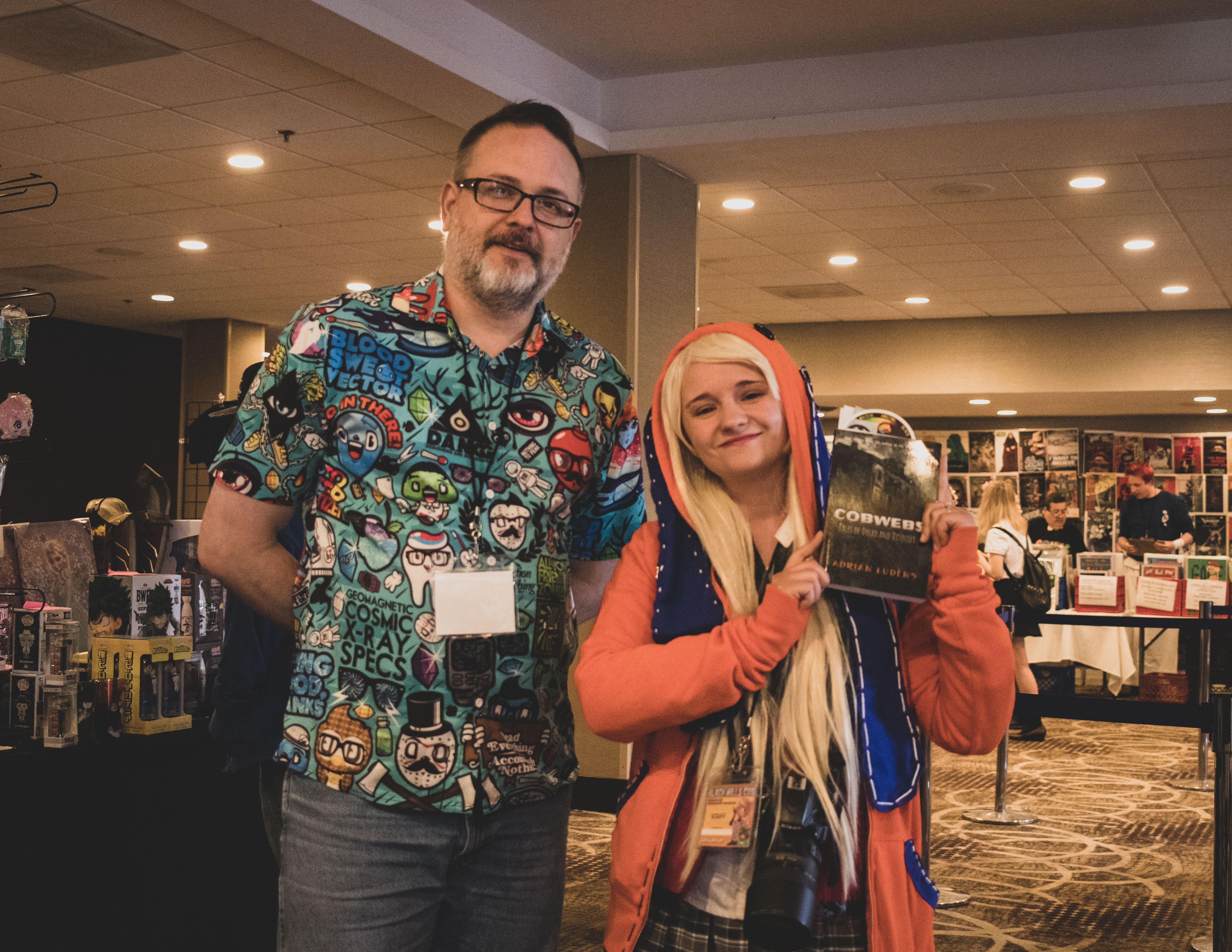
In 2017, my friend and fellow author, Adrian Ludens, had asked if I might be interested in sharing a table with him at the local anime, science fiction, and pop culture convention. At that point, the local convention was SoDak Con–previously SoDak Anime Convention. Unfortunately, due to a planned and scheduled vacation in the Pacific Northwest, I was unable to partner up with him.

I’m sad to say that I might not have done so even without those prior obligations. At that point in my writing career I had only the novel, Unspoken, and my collection of short fiction and poetry, Errata, available. Both titles had been self-published and neither had been particularly successful or generated much by way of buzz or interest beyond people who knew me to some extent. I would have felt like a fraud, sitting there next to him. Adrian had sold probably dozens of stories to various publications and anthologies at that point…and who the fuck was I?

Since then, I’ve come a long way in feeling more comfortable and secure in calling myself an author. My next self-published novel, Innocence Ends, was more successful than both of the previous titles combined–and then some. Thanks to the sales associated with Innocence Ends, I was able to join the HWA (Horror Writers Association) as an Affiliate Member. My new novella, You Will Be Consumed, was published by a small press I respect and appreciate–in addition to since being adapted into an audiobook with a fantastic narrator doing the heavy lifting.

When the new convention–now Black Hills Con–was announced for June of this year, I reached out to Adrian and asked whether he might be interested in sharing a table with me. I was pleased to discover he was interested.

This would be my first time attending a convention of any kind as a guest and a vendor. I was never particularly big on attending conventions in the first place, being as anti-social and riddled with anxiety as I find myself to be when surrounded by crowds of any kind.

I neglected to request time off from work on Friday. Thus, I had to get up at 3:45 AM and begin my shift at the television station at 4:30 AM. I directed the hour and a half of Good Morning KOTA Territory from 5:30 to 7 AM and then KOTA Territory News at Noon from 12 to 12:30 PM. It had already been a long day, as you can probably imagine, before I pulled out of the parking lot and made my way to the hotel where the convention was being held.

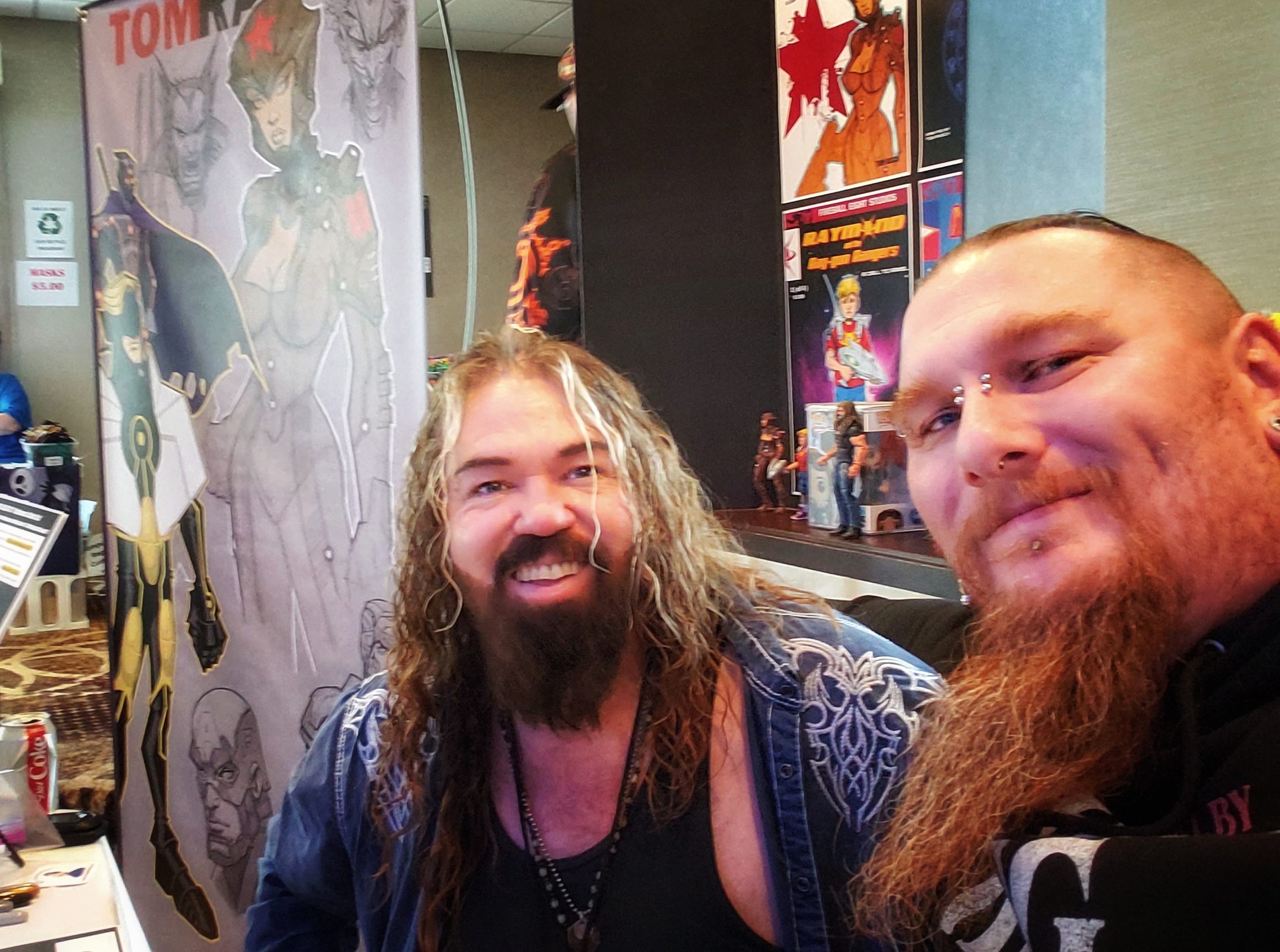
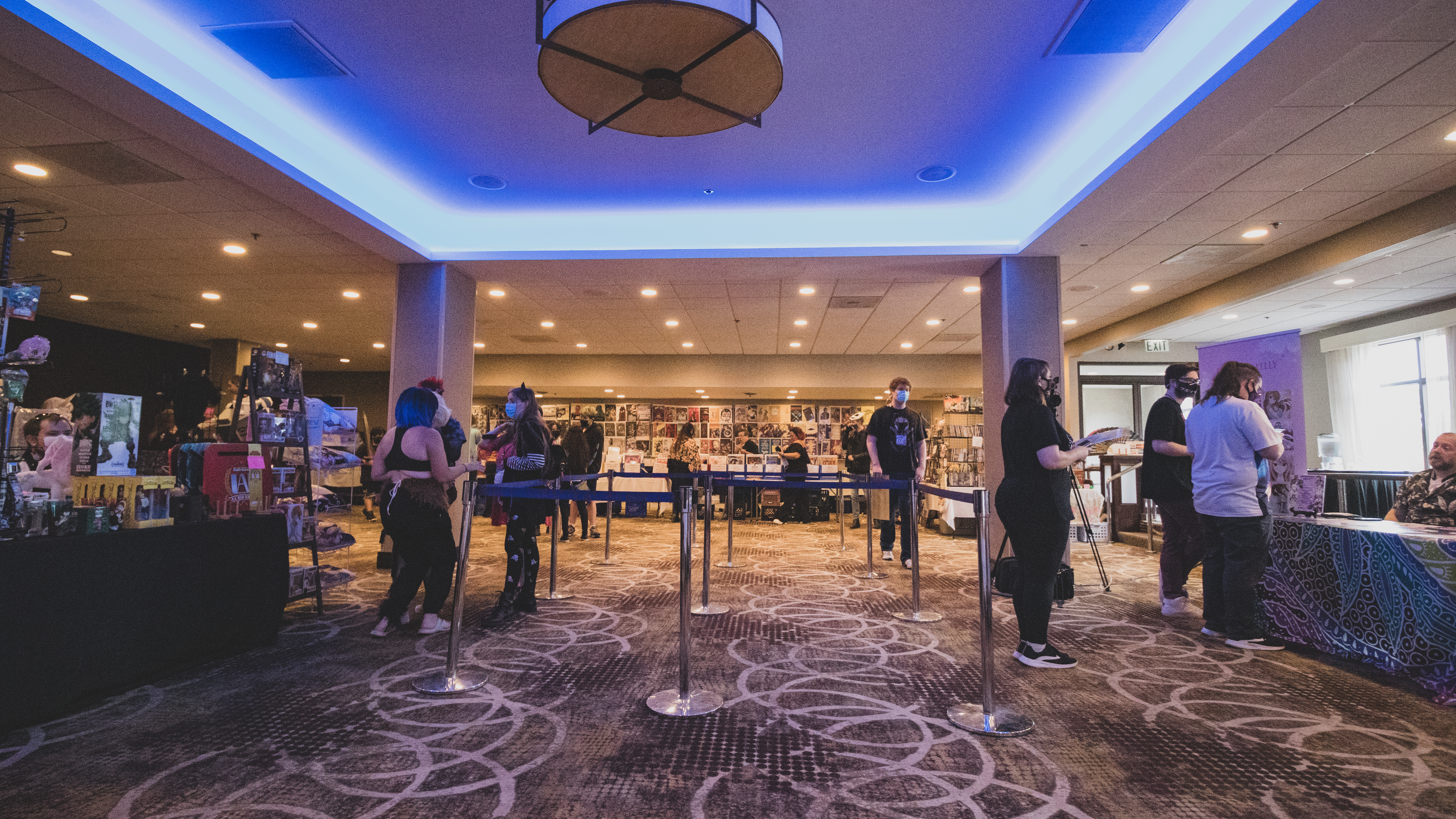
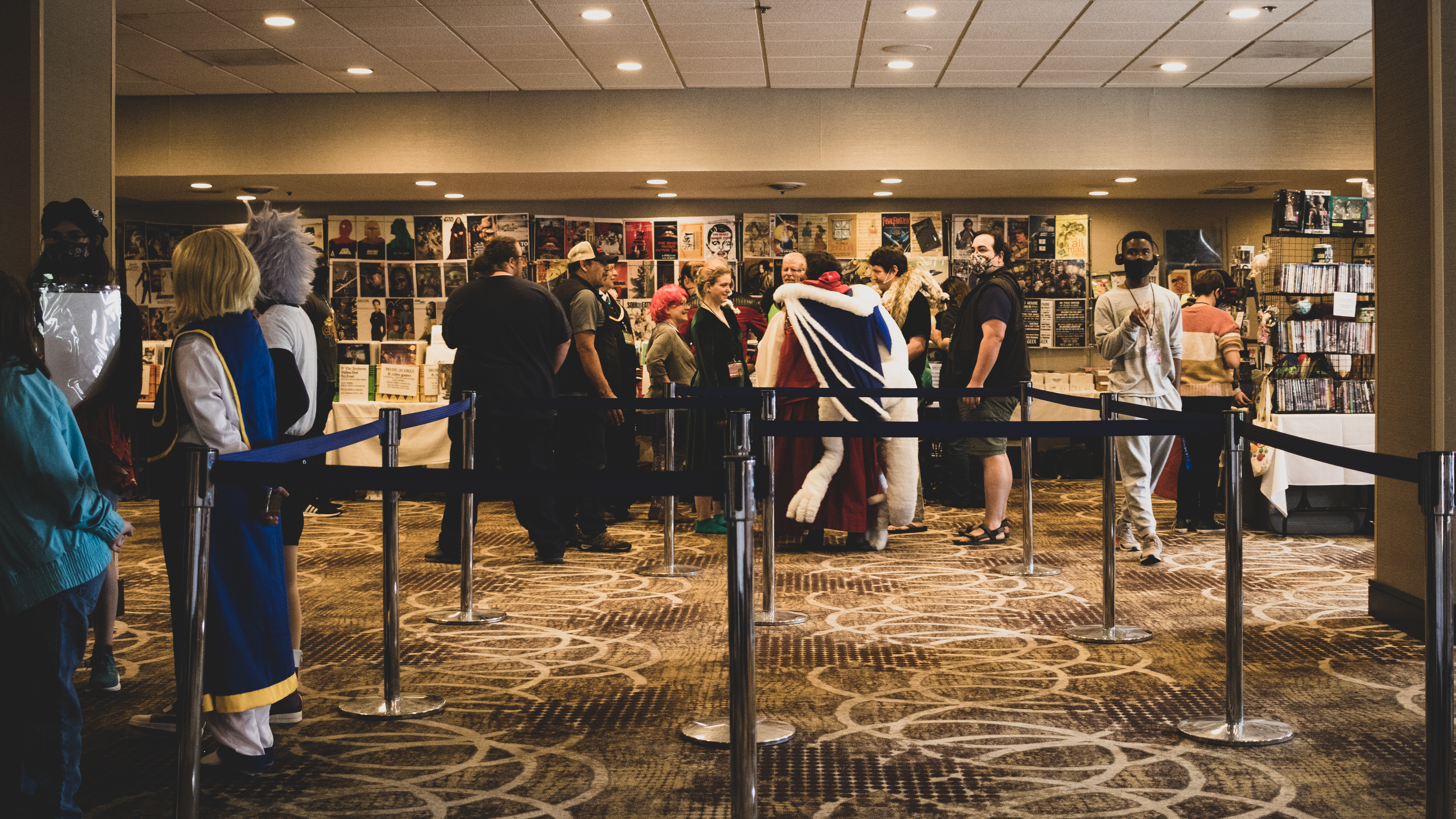
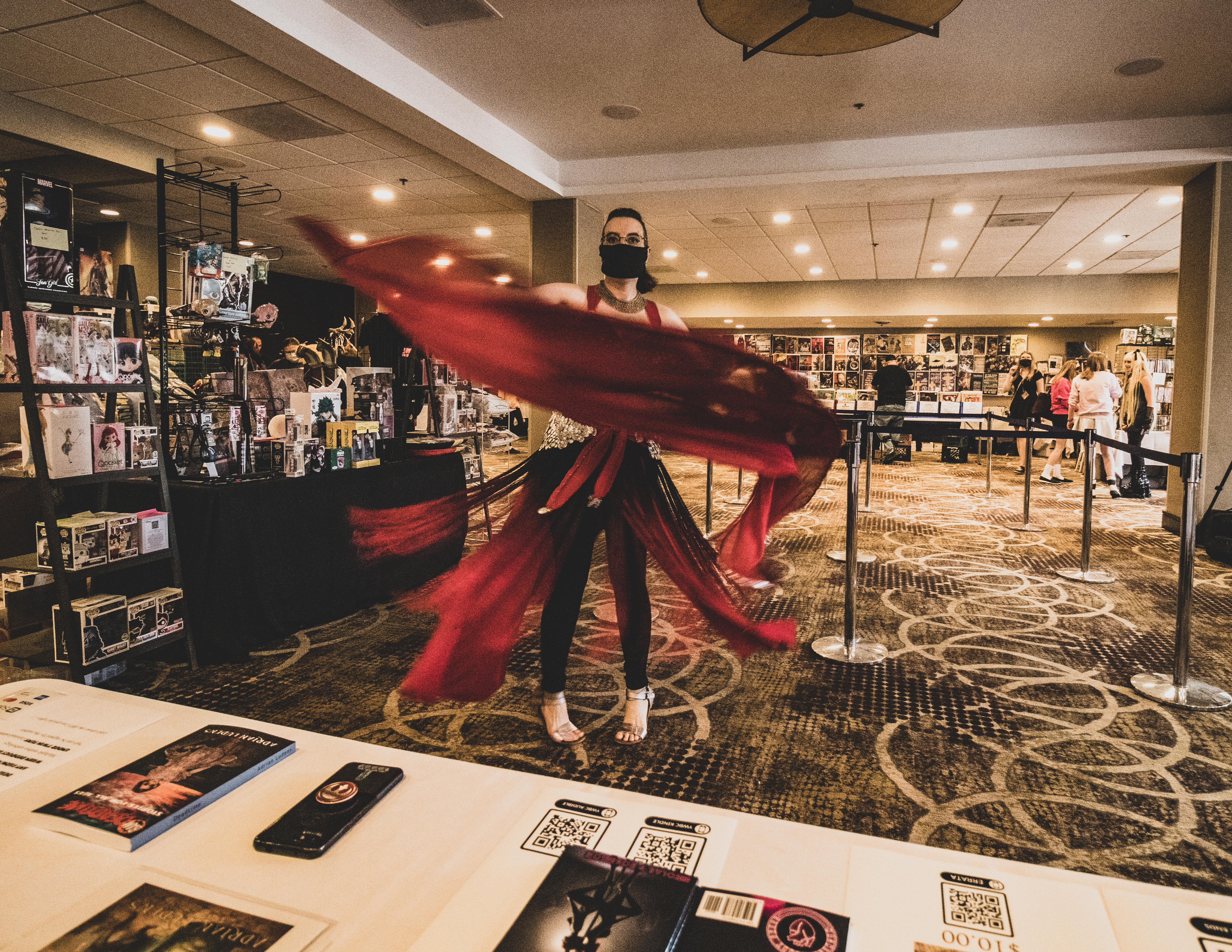
I arrived at the hotel and was directed to the vendor room where Adrian and I would be sharing our table. I was pleased to see that my old friend, Tom Rasch, was at the table right next to us. Tom is a comic book artist/creator who has been active in that industry for quite some time, in addition to having done a good deal of video game character design back in the day. He was there to promote his various independent comic properties, Black Alpha and Salem Tusk in particular, as well as a documentary film that is detailing his efforts to bring these properties to life in the way they deserve to be realized. At some point in the relatively near future, he’s likely to have a Kickstarter campaign going live, and I’ll be sure to share those details here.

Needless to say, I felt a wash of relief, knowing that I had familiar faces right there next to me.

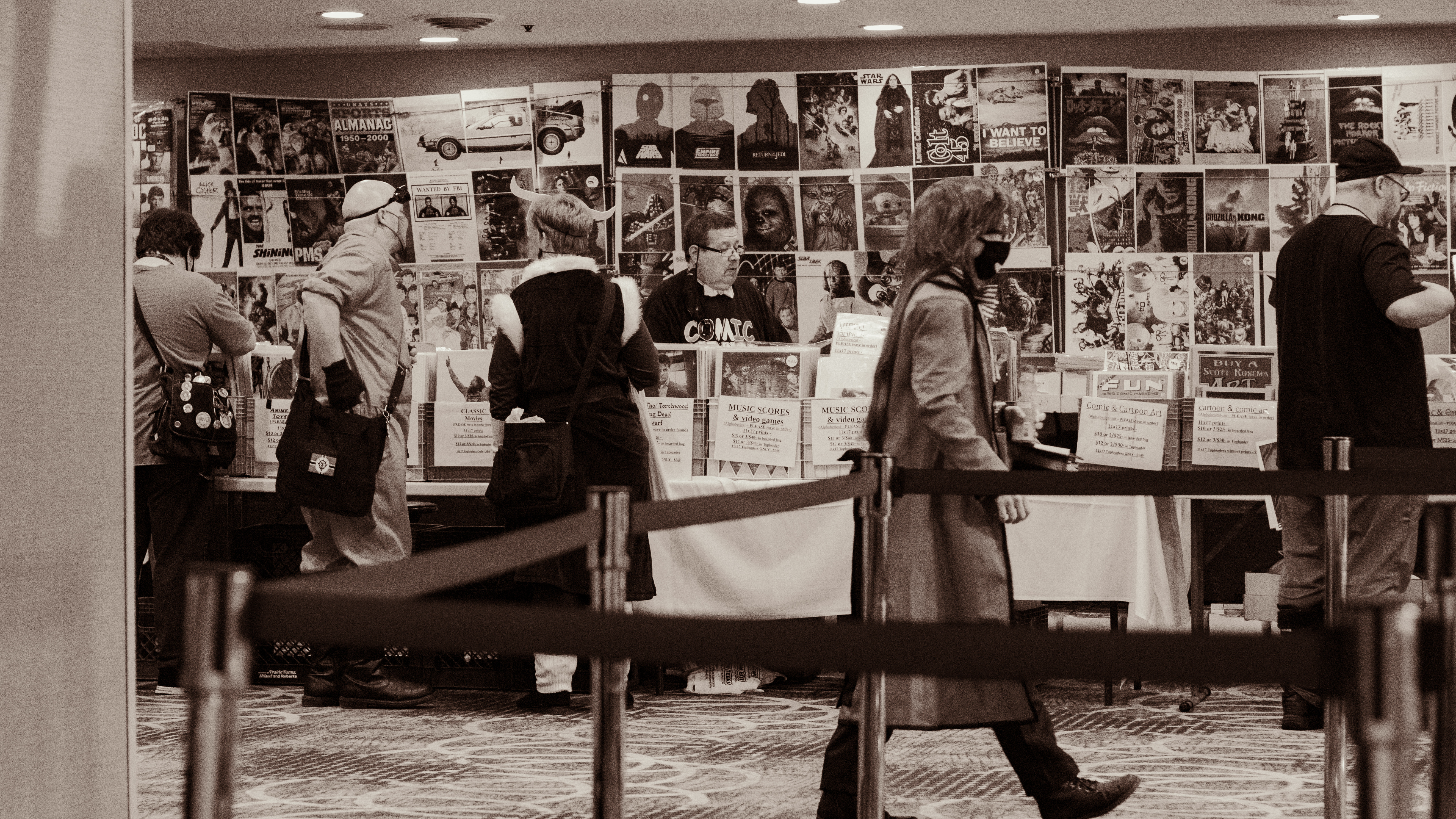
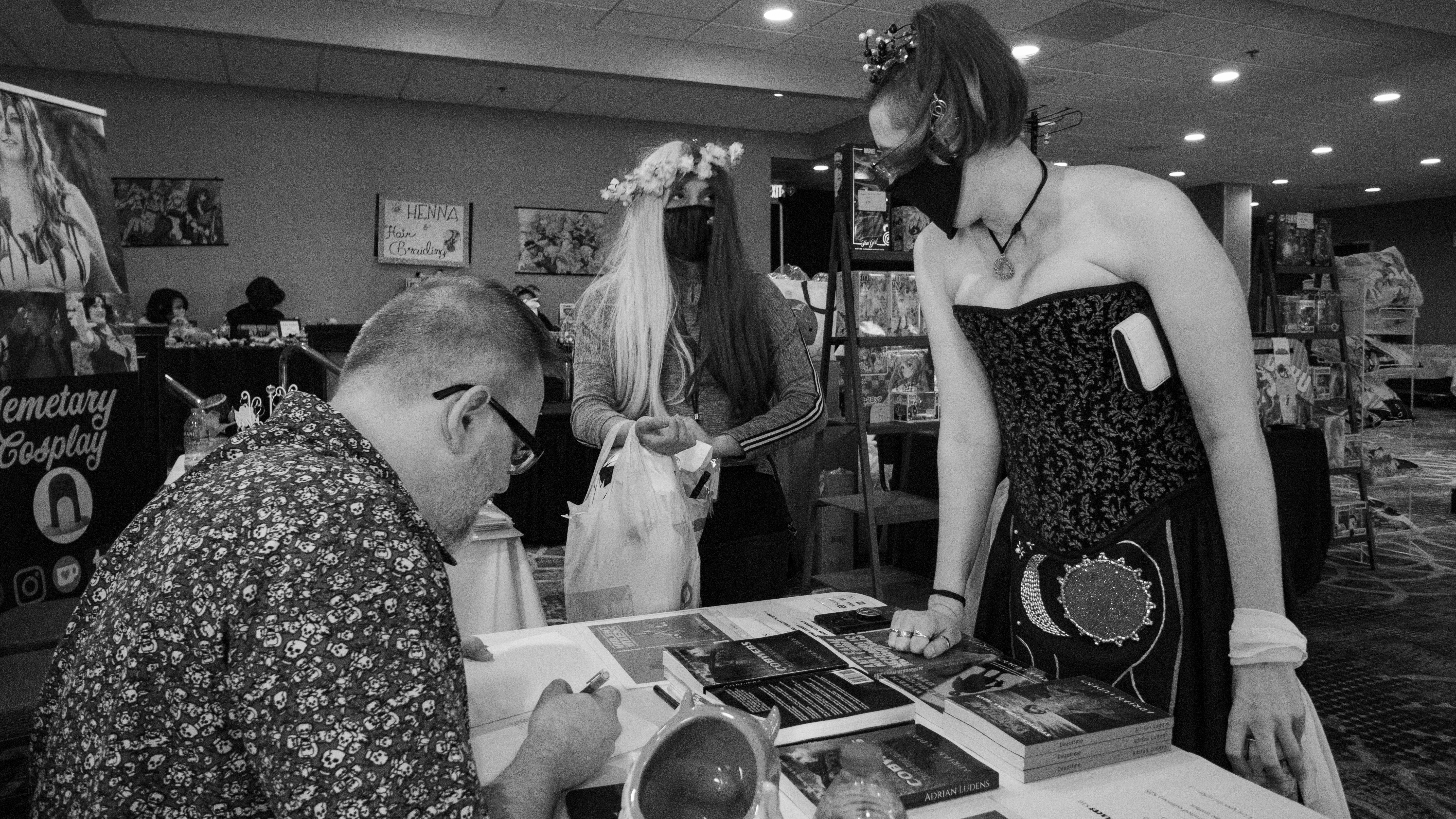
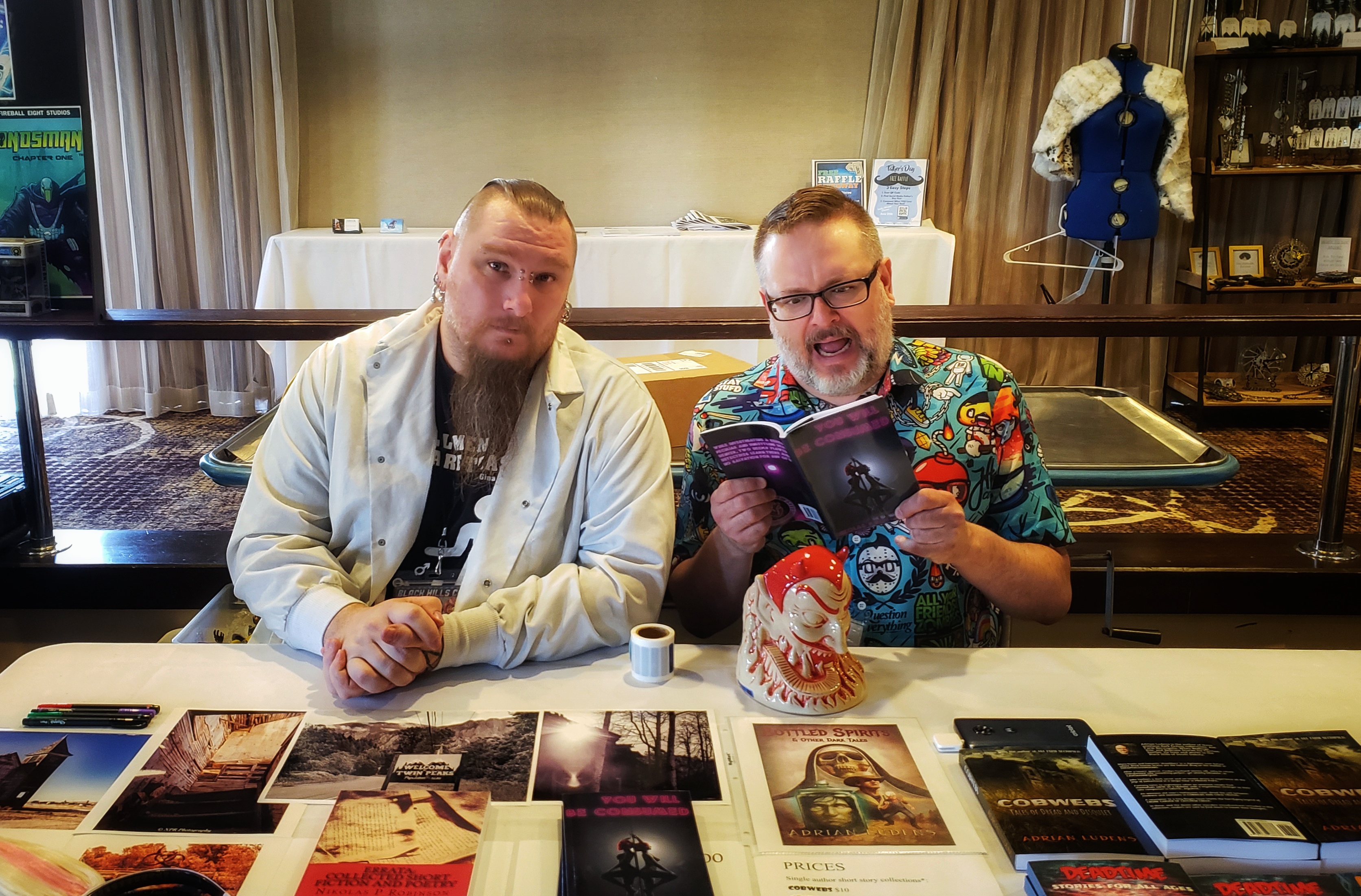
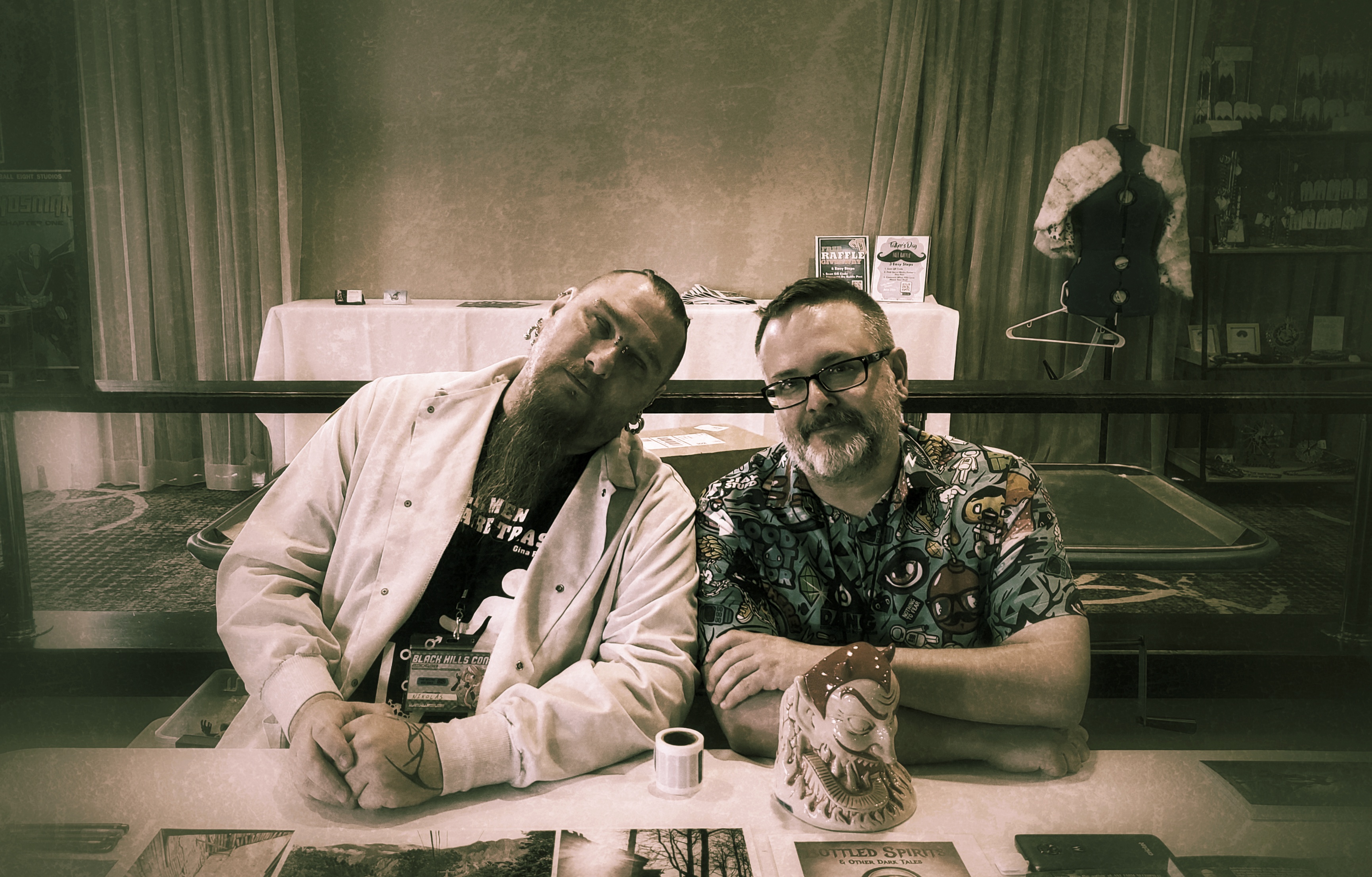
The next five hours turned out to be a great deal more fun than I suspected they might be…additionally, I managed to deplete a fair amount of the books I’d brought with me for the convention.

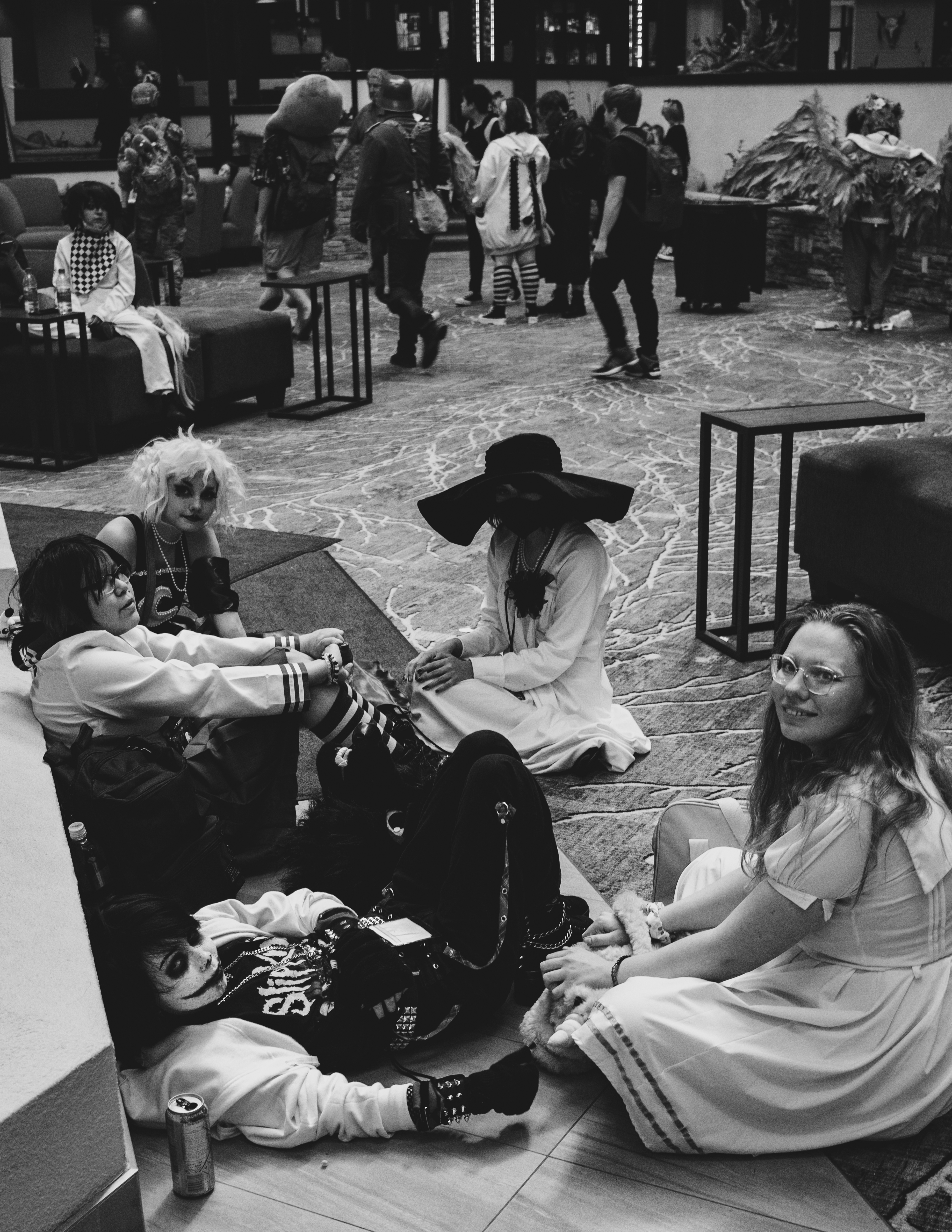
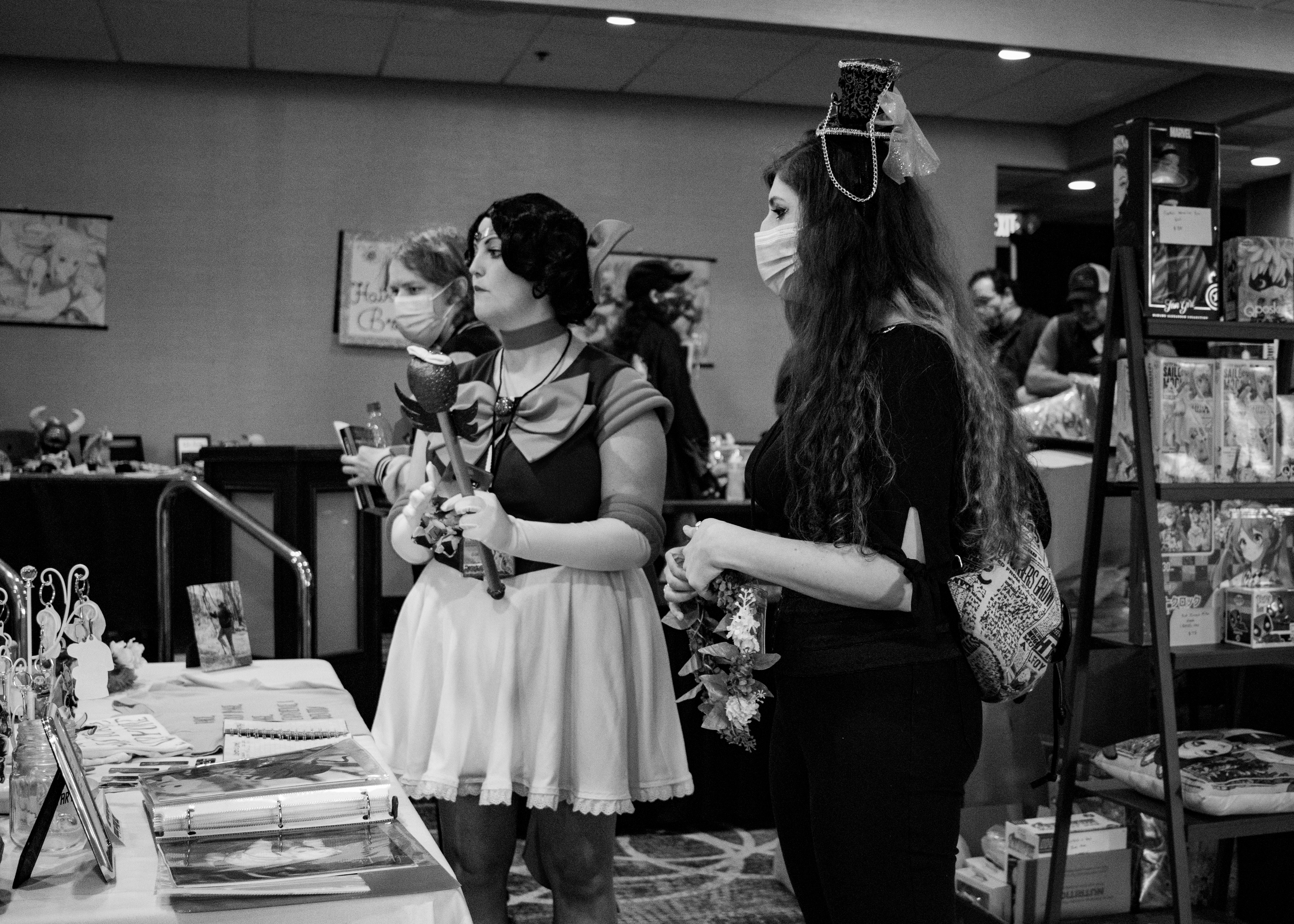
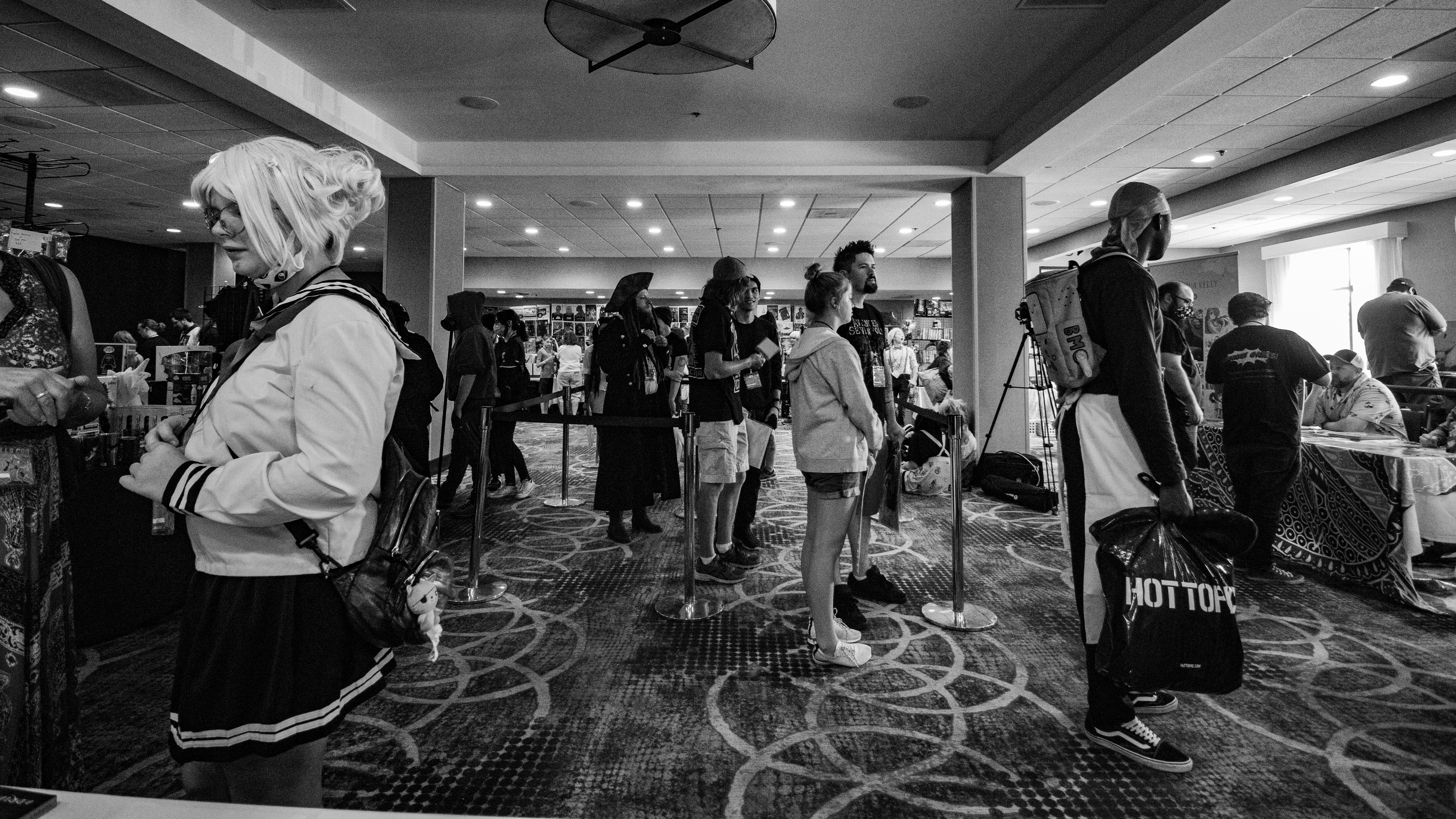
Using a trick I’d developed for coping with social anxiety, I carried my camera with me and captured photos of the events, separating myself from them by placing the lens in between myself and the rest of the world.

I was exhausted when I arrived home shortly before 7 PM on Friday. I ate dinner and took a nap before waking up and going to the gym around 10:30 PM. I have a difficult time breaking from routine, and I try to always go to the gym on Friday evenings, regardless of what my day consisted of.

On Saturday morning, I woke up at 6:30 AM and took a shower before taking the puppies outside and making sure my daughter was ready to go. We stopped for coffee and arrived at the convention location right at 8 AM as everything was getting started. I made my way to the vendor room–it was closed to all but the vendors until 10 AM–while my daughter went to watch Saturday morning cartoons that were being projected on the screen of the large conference room by the convention staff.

Most of the vendors weren’t there yet, so it was nice to just relax and chat with Tom while I put everything out on the table, including some creepy photo prints I’d brought with me to see if they might also sell. Adrian arrived not too long after.

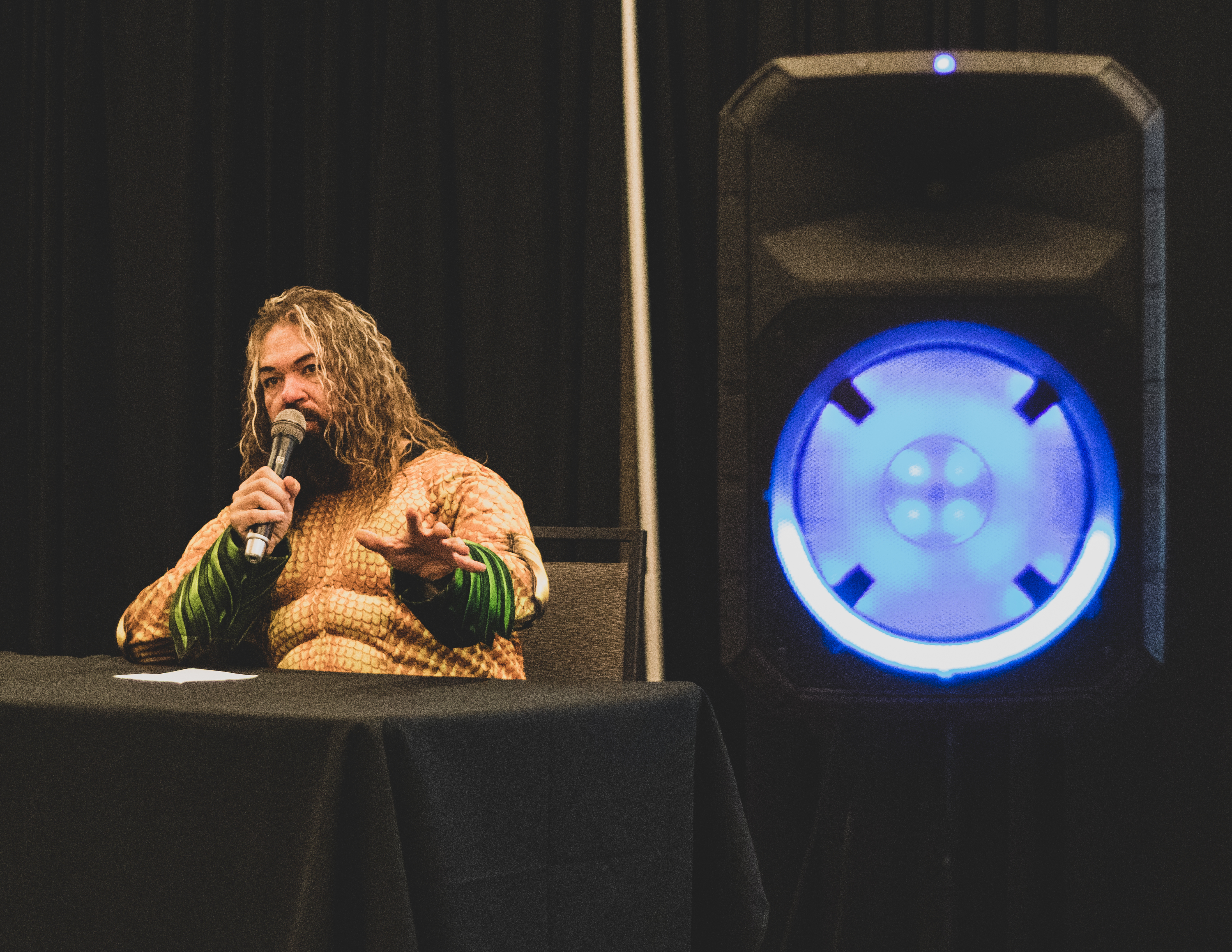
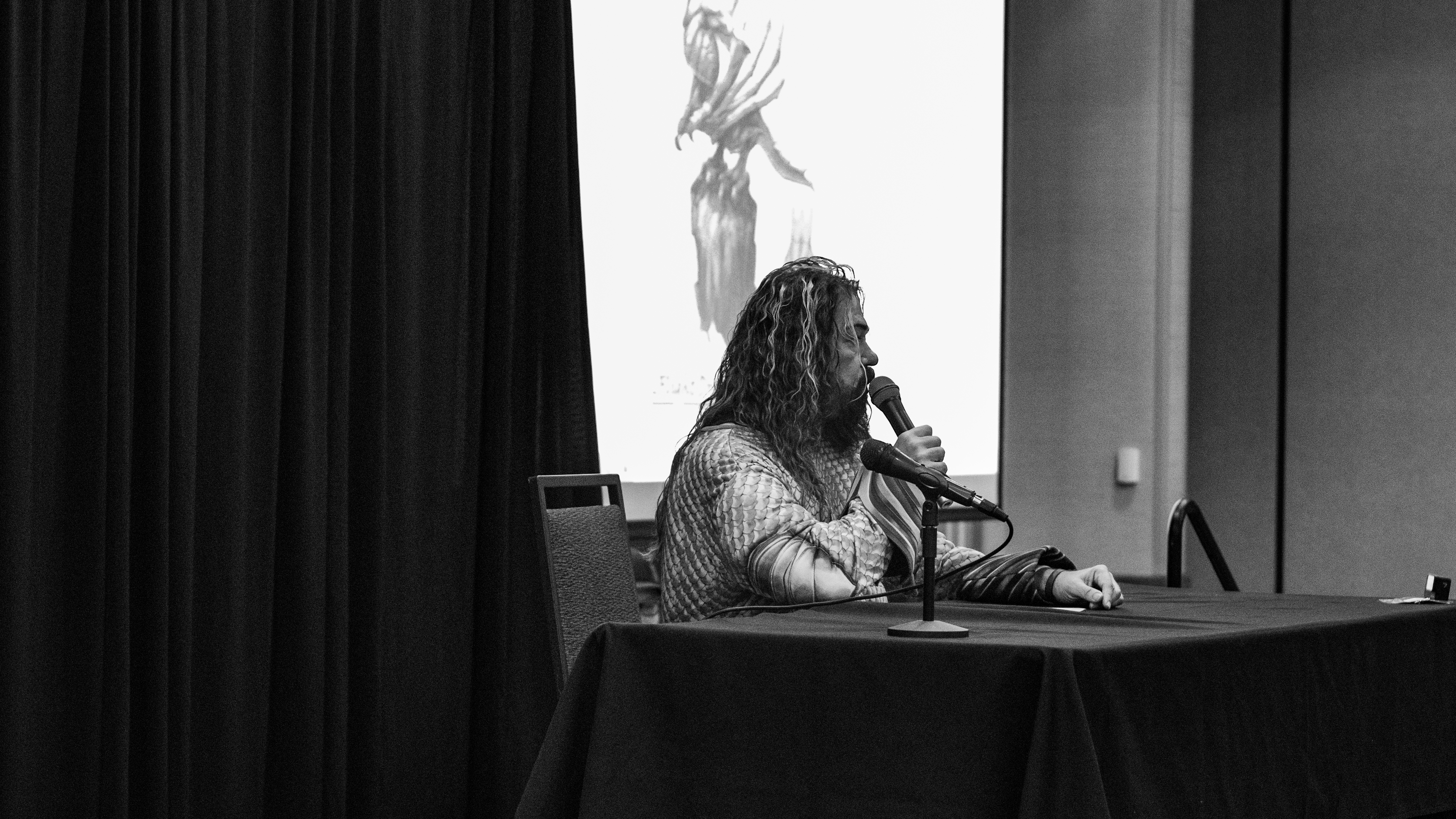
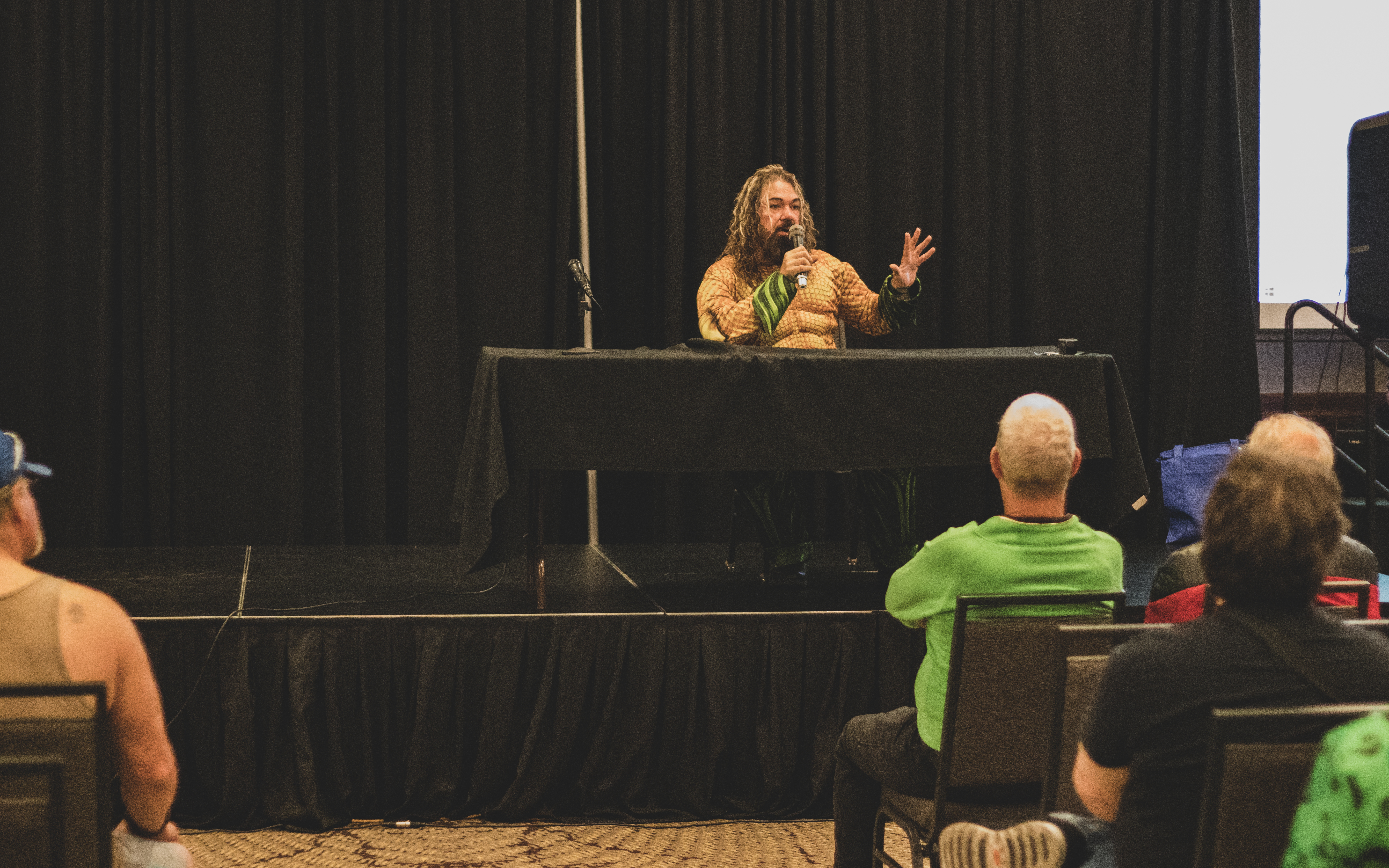
Tom was hosting a panel on Saturday morning, sharing his experiences in the comic book and video game design industries and talking about his current projects. I attended some of that panel because I wanted to see at least some of it instead of spending all of my time sitting at the table.

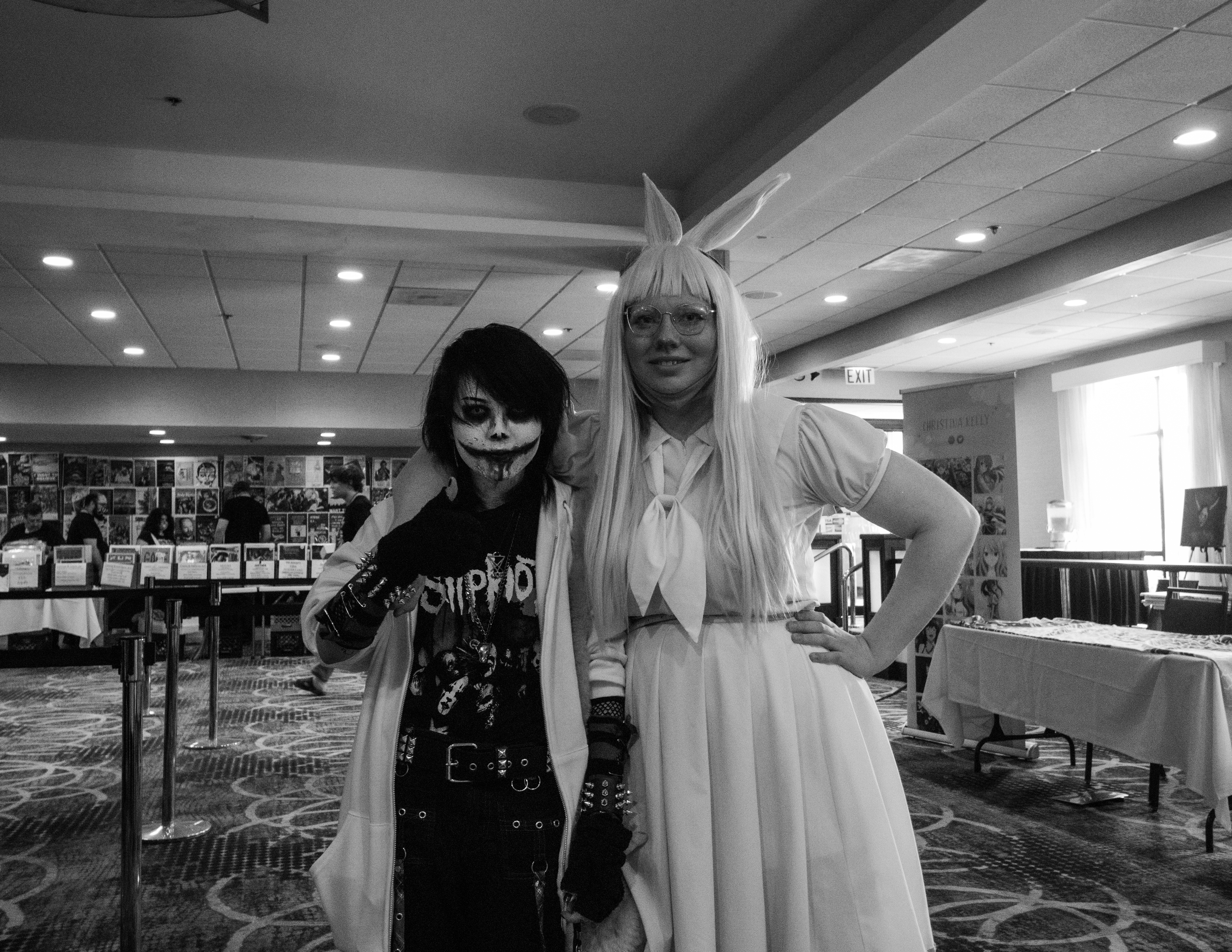
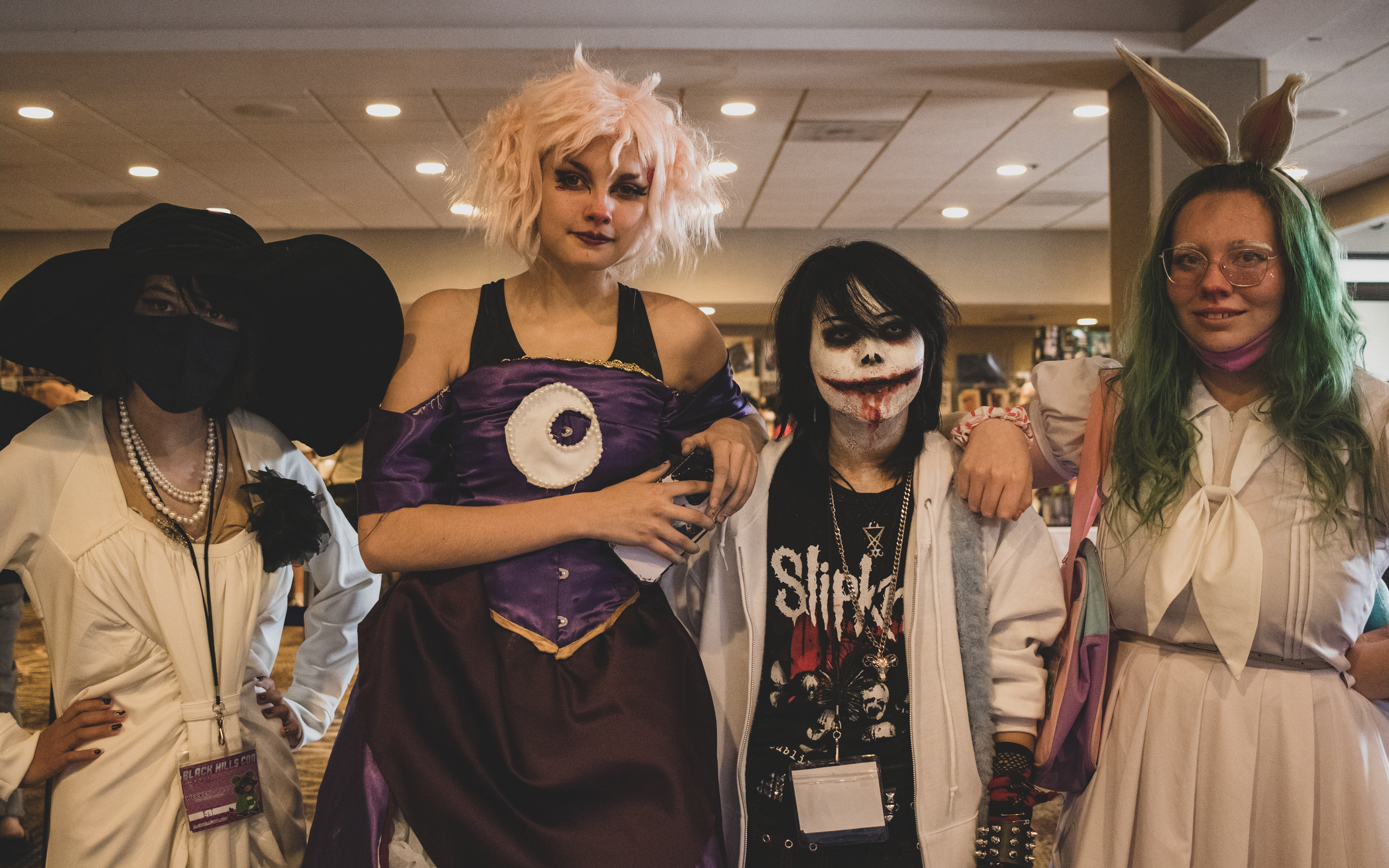
Throughout the day, my daughter sporadically returned to the vendor space with different friends in tow and it was fun to see the teenagers enjoying themselves so much. My daughter also took advantage of the fact that Adrian had brought the rolling, steel table from a morgue with him.

The second day of the convention was a marathon, though slightly less of a marathon than the first day had been for me. We held our post in the vendor room until just after 6 PM when it was time to pack it in and head home. I returned home with only four of the copies of You Will Be Consumed that I’d brought with me, and none of my other books. All in all, I’d say it wasn’t a bad day.

It was great being able to spend time with friends I don’t often see in real life and to meet new people.

Before leaving the hotel, I gifted two of my photo prints to the two special guests of the convention–voice actors in various anime films–because someone had mentioned it was their first time visiting South Dakota, and I thought they might like something a little less tourist-oriented as a memento. One of the two brought over a signed art print that made my daughter’s day, because she had considered getting one until she saw the prices they were charging.

The other remaining photo print, I gifted to another of the vendors who had been awesome to talk with here and there.

As tired as I was, I must admit I was sort of sad to see the convention ending.

All things considered, I have to say I think my first experience as a guest of a convention was a success. I look forward to doing it again.

I have to thank the folks who organized Black Hills Con 2021, because they did an excellent job of making sure everything ran smoothly and that everyone was comfortable and taken care of. The atmosphere was a positive one and free of some of the toxicity and gatekeeping that I’ve heard about regarding similar conventions around the country.