We Need To Talk About Portland…

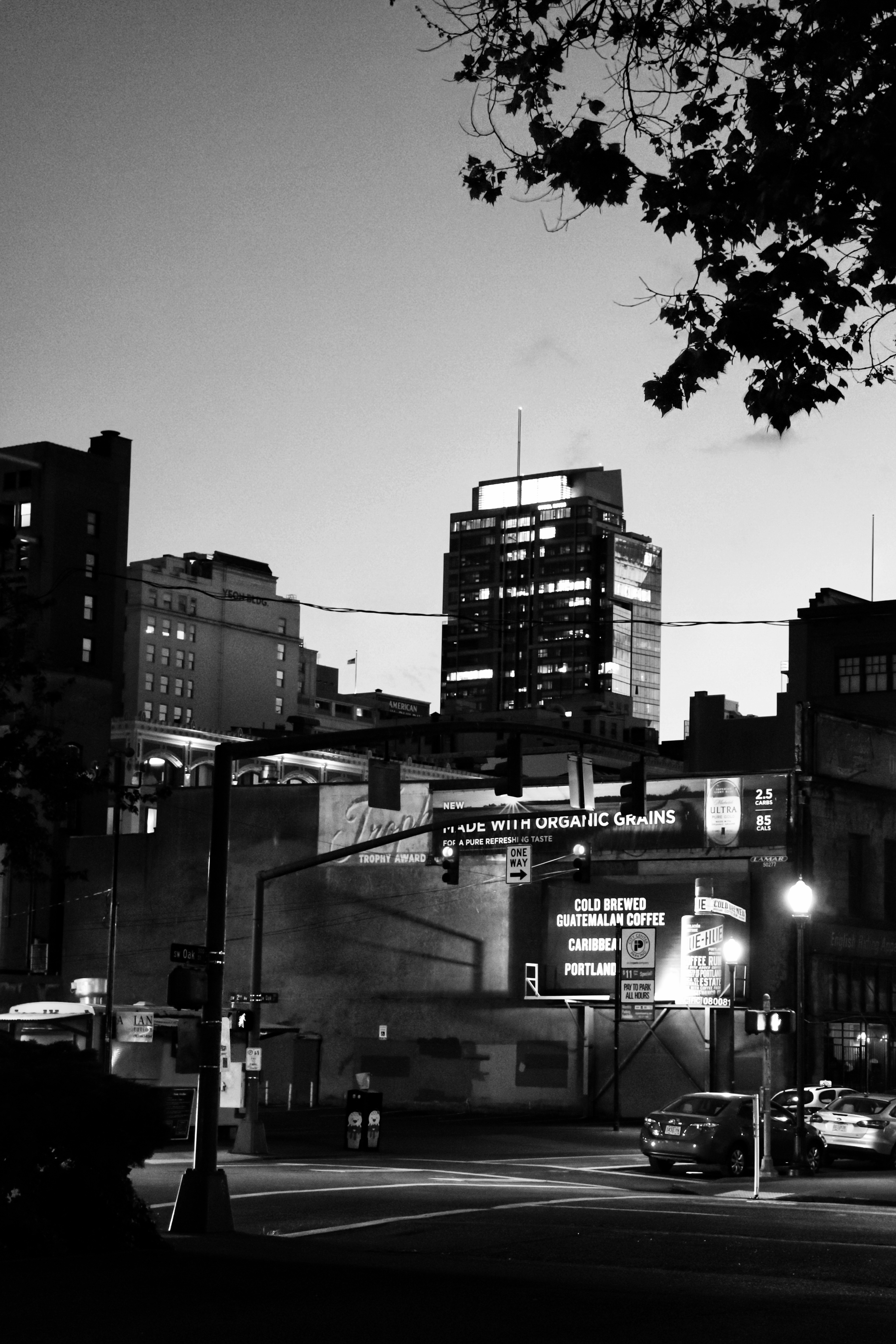
We need to address some serious misconceptions and outright lies that are circulating regarding Portland, OR, and the allegedly embattled Department of Homeland Security. I’ve heard this city referred to as a “War Zone,” “Under siege from attack by ANTIFA, and other Domestic Terrorists.” President Trump claimed he was acting to “protect War Ravaged Portland” when he declared that he would be mobilizing the Oregon National Guard against the wishes of Governor Tina Kotek. Trump’s fictional narrative is so pervasive that right-wing propagandists and Trump supporters are uncritically repeating it left and right, even (and perhaps especially) when provided with evidence that he has no idea what he’s talking about.

If someone (myself included) from Portland shares photos and videos that counter this deluded perspective that the city is a “War Zone,” they’ll be condemned for “Cherry Picking,” and either not sharing evidence of the correct locations, or at the right times. They’ll come back with video clips from FOX News, OAN, Newsmax, or right-wing influencers that selectively focus on moments of conflict, ignoring the context. They also often overlook the fact that several of these videos are from the 2020 BLM protests or from three or four months ago, as is clear from the background, in which one can easily see that the windows of the Portland ICE Facility are not boarded up, as they have been since mid-June of 2025.

I can only assume this disingenuous, bad-faith distribution of selectively edited media is what the President was referencing when he discussed the fires and devastation supposedly in evidence throughout Portland (and especially in proximity to the Portland ICE Facility), because none of that is presently relevant.

Other people will respond by sharing photos and videos of homeless people, tents and litter on the street, graffiti, or people using drugs openly. This, of course, has nothing at all to do with the premise behind President Trump’s deployment of troops and the increase in Federal Law Enforcement in the city. The homeless population, tents on sidewalks, and drug users are not (in any sense) related to the supposed siege of the Portland ICE Facility. It’s the equivalent of an Ad Hominem attack or tossing a Red Herring into the discussion of the city. It’s irrelevant to the conversation at hand, and it ignores the fact that all American cities (including those much smaller than Portland) have homeless individuals and families, drug use, and graffiti.

No one with any intellectual honesty or integrity will deny that Portland has a problem with homelessness. I don’t think I’ve ever heard anyone suggesting otherwise. What they will say is that it’s not worse than other large American cities, which is accurate. As of January 2024, Portland didn’t even crack the Top Ten, and as of this year, Portland is the 28th most populous city in the United States. Denver has only 100,000 more people, but has twice as many homeless people, according to the same numbers from January 2024. Seattle has only about 150,000 more people, but had more than twice the homeless population of Portland last year.

But Portland, Denver, and Seattle combined barely reach half the homeless population of Los Angeles, which is roughly half again the homeless population of New York City.

Homelessness is a complicated issue. The contributing factors are manifold, and the solutions (while comparatively simple) aren’t things anyone in a position to do so wants to seriously address.

Are these National Guard troops and Federal Law Enforcement Officers coming to Portland to address issues like homelessness?

No, they are not.

Which means anyone trying to distract from the topic at hand by tossing that into the mix needs to shut the fuck up and let the adults talk. Bad faith bullshit is not welcome.

So, let’s talk about the alleged assault on ICE that Kristi Noem, Tom Homan, Donald Trump, and others want to claim is taking place.

Before we move on, I’d like to dedicate some time to Kristi Noem, though. I have a relatively unique perspective in that I lived in South Dakota while Kristi Noem served as Governor, and previously as a U.S. Representative, before I moved to the Portland Metro. She was much-maligned by even Conservatives I knew in South Dakota, as a corrupt and undemocratic force in State Government. Of course, that didn’t stop them from voting for her, because she happened to be a Republican.

Noem’s histrionic portrayal of the protests in Portland is not novel. She has a long history of opposing the First Amendment right to Speech and Assembly, stretching back to the protests against the Keystone Pipeline. She was also investigated for Corruption regarding the circumstances surrounding her daughter and the Real Estate Appraisal Licensing system in South Dakota.

Perhaps most egregious, when South Dakota voters passed a Ballot Measure to legalize Recreational Cannabis in 2020, she and two members of Law Enforcement filed a lawsuit to overturn the results of the election, which passed by a margin of 54 to 46%. It’s particularly amusing when you compare it to her Gubernatorial Victory in 2018, of only 51%. The courts sided with Noem and the two Law Enforcement officials, claiming the Ballot Measure violated a “single-subject” provision. Never mind that any Ballot Measures in South Dakota undergo a legal review by the Secretary of State to confirm that they conform to state statutes.

I don’t entirely blame Noem. South Dakota has a history of corruption and anti-democratic practices. It was only two years before she was elected Governor when voters approved an Anti-Corruption measure that would have led to an independent ethics commission, campaign finance reform, restrictions on gifts from lobbyists, and increased transparency regarding campaign contributions. The Governor at the time, Dennis Daugaard, and the State Legislature repealed the Initiated Measure only a few months later, with Daugaard suggesting that voters hadn’t really thought things through.

As you can see, Noem comes from an environment where corruption and undemocratic sentiment run rampant. It should have been a warning sign about the Trump Administration that she would be so readily welcomed into the fold. For some of us, it was. Of course, for many of us, there had already been several warnings.

Placing her in charge of Homeland Security has been an unmitigated disaster, as anyone could predict. But it’s not the disaster she might propose. Since Donald Trump returned to office in January, at least 15 people have died while in ICE Custody. This does not include the two detainees who were murdered by the shooter in Dallas last month. That number also doesn’t include individuals who died shortly (or immediately) after they were released from ICE Custody, nor does it include individuals who have died since being deported or falling victim to the Administration’s new take on Extraordinary Rendition.

But, guess what, a total of zero ICE agents have been killed in that same time frame. This, despite President Trump’s wild claim that people have died in Portland. Unless he’s speaking of unrelated deaths (or deaths from years ago), no one has died as a result of protests happening in Portland. The last death of anyone involved with the Department of Homeland Security (not an ICE agent) was a U.S. Customs and Border Protection agent who was shot on January 20th, during a traffic stop in Coventry, Vermont.

Most recently, the only injury of note was when an ICE officer was dragged by a car driven by an undocumented immigrant attempting to evade him. The immigrant in question was killed; the ICE officer was not.

Still, all the talk from the Administration has been focused on how ICE agents are under attack. But, it certainly sounds like it’s far less dangerous to work for ICE than it is to be taken into their custody.

Noem and Homan like to talk about large percentages when they discuss the increase in assaults on ICE agents. Of course, those numbers are readily subject to scrutiny, because that percentage reported by DHS has fluctuated dramatically, sometimes within hours: 500%, 700%, 1,000%. It’s almost as if they’re just tossing large numbers in front of a percentage sign to appeal to the average person’s inability to contextualize what a percentage increase actually means. A keen observer might notice they’re loading the statements to make people afraid.

Let’s break down how percentage increases work for those of you who need some assistance.

If there were hypothetically only one ICE agent assaulted between January and September of 2024, it would mean that five, seven, or ten had been attacked during the same time frame this year to reach those previously mentioned percentages of 500, 700, or 1,000%. But to say it was ten agents that had been assaulted over the course of an eight or nine-month interval doesn’t have the same dramatic flair to it. Most recently, they’re claiming it’s a more than 1,000% increase, but without providing any actual numbers to contextualize what that percentage means. The real numbers (according to all official records) were something to the effect of ten assaults in 2024 compared to 79 in 2025. This is also far less dramatic than using a percentage increase to trigger an emotional response. After all, we could refer to it as a 790% increase. Which number sounds scarier to you?

Mind you, only a small percentage of these assaults involved protesters, and an even smaller number had anything at all to do with Portland. These attacks are largely coming from people they are detaining.

And, of course, the numbers have spiked. ICE is more active and aggressive, and is utilizing tactics that are absolutely going to increase violent reactions. When masked men with no official insignia are grabbing people and hauling them into unmarked vehicles, it looks more like a kidnapping than anything official or legal. Never mind that there have been several documented incidents this year of people being assaulted, kidnapped, and raped by people pretending to be ICE agents. There’s even one reported killing by a fake ICE officer. Knowing all of this, would you simply accept that this is a legitimate, state-sanctioned detainment?

There’s also the deeply concerning fact that several of the things that constitute assault in the eyes of DHS have been categorically ludicrous in many instances. The official claim was that the New York City Comptroller, Brad Lander, had assaulted agents when he was detained at an Immigration Court proceeding in June, though the available video evidence shows no assault of any kind. Garbage dumped on an ICE agent’s lawn was also one example of “assault” on DHS, while another was a sign that included an individual ICE agent’s name and a great deal of profanity. There was even an incident here in Portland where an Indigenous woman was charged with Assault because an ICE officer claimed to get a headache because she was blowing a whistle on the sidewalk in front of the Portland ICE Facility. Even if those examples were the only questionable ones, they would present a huge issue when discussing relatively small numbers of incidents.

And, of course, it could be argued just as easily that assaults performed by DHS agents have increased by similarly huge percentages, but Noem and Homan are disregarding that. The very real likelihood, though, is that more people are being assaulted by ICE agents than are assaulting them.

Several of these assaults have been without cause or provocation, unless you claim standing in place, holding a sign with mean words on it, and yelling profanities at these masked men constitutes a clear threat. Based on how fragile and sensitive the Administration seems to want us to believe the people working for ICE happen to be, I guess those things might just be adding to the assault statistics.

Of course, all of this escalation on the part of the Administration is a painfully transparent attempt to trigger a response. The same thing was done in Los Angeles earlier this year. The same tactic was also on display during the BLM protests in 2020. President Trump, Kristi Noem, Tom Homan, and others are gambling on the likelihood that increased Federal Agents and the addition of Military Personnel will be sufficient to push the situation past a tipping point. At that point, they will have the flimsy justification required to impose greater Authoritarian control over Portland, Chicago, and wherever else they decide they want to add pressure.

It’s an absurd truth, and one that got Portland’s Mayor, Keith Wilson, laughed at and mocked, but the best thing protesters can do is to refuse to take the bait, to stay home, and to make the Administration look like the scaremongering force it absolutely is. Of course, that may not solve anything, since right-wing agitators have been masquerading as protesters and journalists already. It would hardly be a stretch to imagine them inciting violence just to ensure it adversely impacts their opponents. Some of them also have a documented history of instigating fights, both within the protest groups and as counter-protesters. They also have a history of fabricating violent altercations and even going so far as to start fights just to selectively capture the retaliation on camera for the purpose of furthering their propaganda objectives.

Either way, what we end up with is a situation wherein protesters are expected to behave in a way that is beyond reproach, or they’re condemned for inciting violence. That may sound painfully familiar to anyone who has dedicated time to studying the Civil Rights Movement. But the uniformed individuals who are supposedly trained to de-escalate situations are deploying pepper spray and gas canisters despite the law clearly stating the use of force must be reasonable, necessary, and proportionate. They’re intended to adhere to the same standards required for self-defense on the part of the average person.

In fact, on July 25th, Assistant Chief of Operations for Portland Police Bureau, Craig Dobson testified, “It makes it extremely difficult for us to deal with, as the folks that are on the other side of this fence have been, night after night, actually instigating and causing some of the ruckus that’s occurring down there…” and that DHS agents are not following best practices.

It’s also on record that ICE had been witnessed firing pepper balls on the crowd without any apparent warning or provocation on June 12th. Then, it was back on June 14th when protesters shattered the glass of the front door, subsequently leading to the boarding up of all windows. DHS officials panicked and used indiscriminate force against the protesters at that time. The one ICE agent who was hurt had abrasions and nothing worse. The same kind of disproportionate and indiscriminate attack by ICE agents was documented on June 23rd and 24th, when an ambulance had to be called because a protester was hit in the head with a gas canister. It can get dangerous out there, but the vast majority of the danger is directed at the people exercising their Constitutional Right to protest the actions of the Administration and the Department of Homeland Security.

If someone intends to protest, they need to understand their rights. But that’s not enough; they also need to know the limited power bestowed upon the people they are protesting against. It’s essential to recognize that Department of Homeland Security officers have significant limitations. No one within ICE has the authority to arrest, detain, or restrain any American Citizens. There are several examples of ICE agents violating this explicit limitation in their purview. There are exceptions regarding Citizens who assault an ICE agent or who actively interfere with ICE performing the duties that are within their scope. U.S. Customs and Border Protection officers have fewer restrictions. But a Citizen would have to commit a Federal Criminal Offense in the officer’s presence before they can restrain, arrest, or detain someone. Finally, Federal Protective Services has similar authority to Customs and Border Protection, but its scope is focused on Federal Facilities.

It’s imperative to recognize that, unless a protester is actively breaking the law in some way related to the “work” DHS performs, these officers are not permitted to so much as lay a hand on any Citizen. Assuming the protester has not trespassed onto the Federal Property, damaged the same, assaulted an officer, or obstructed them in their lawful duties, no one working for DHS has any authority to use physical force against the protester.

They can (and should) be sued each and every time they violate the limited authority they have. Further, though I want to be clear that I am not encouraging violence, if someone is attacked by an employee of DHS without provocation, they are well within their rights to defend themselves. Even though they may be wearing uniforms, their authority as Law Enforcement ends the moment they violate the restrictions associated with their role. If someone does fight back (and some would suggest they should), I will offer the same recommendation I’ve received from individuals who specialize in self-defense; if they’re threatened to the extent that they have to defend themselves, they need to make sure it’s safe for them to turn their back on the threat to walk away. The threat can no longer be a threat.

If you find yourself in a situation wherein you have to fight back (and I believe you should), that fight doesn’t end in the street. Keep fighting their attempts to prosecute you for assault as well, because if they’ve stepped outside of bounds, they’re just some asshole, not an actual cop. In Oregon, you’re legally entitled to use physical force if you believe it’s necessary to protect yourself, another person, or your property from Unlawful physical force. You are permitted to use whatever force is proportionate to the perceived threat. Just keep in mind that you cannot be the initial aggressor.
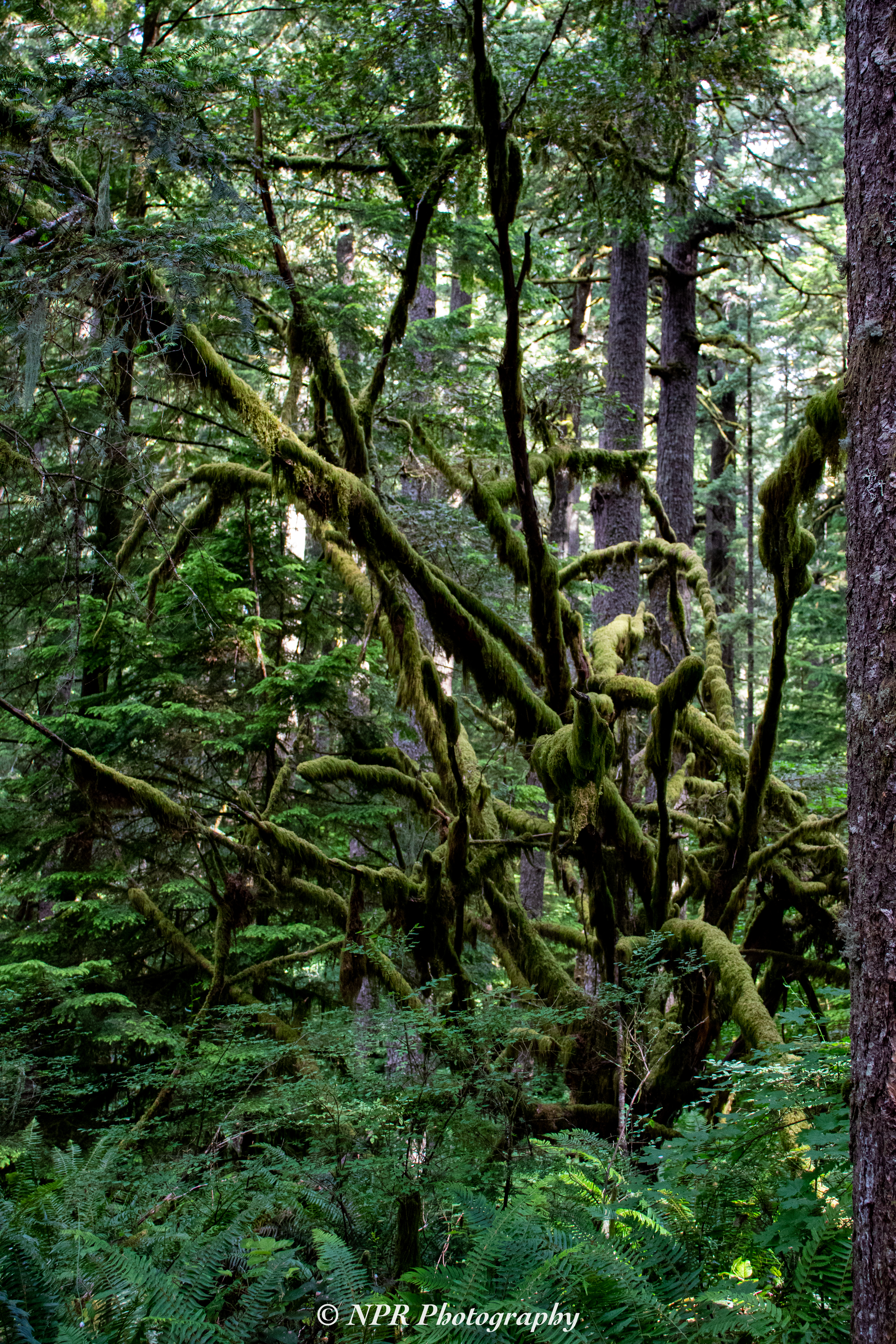
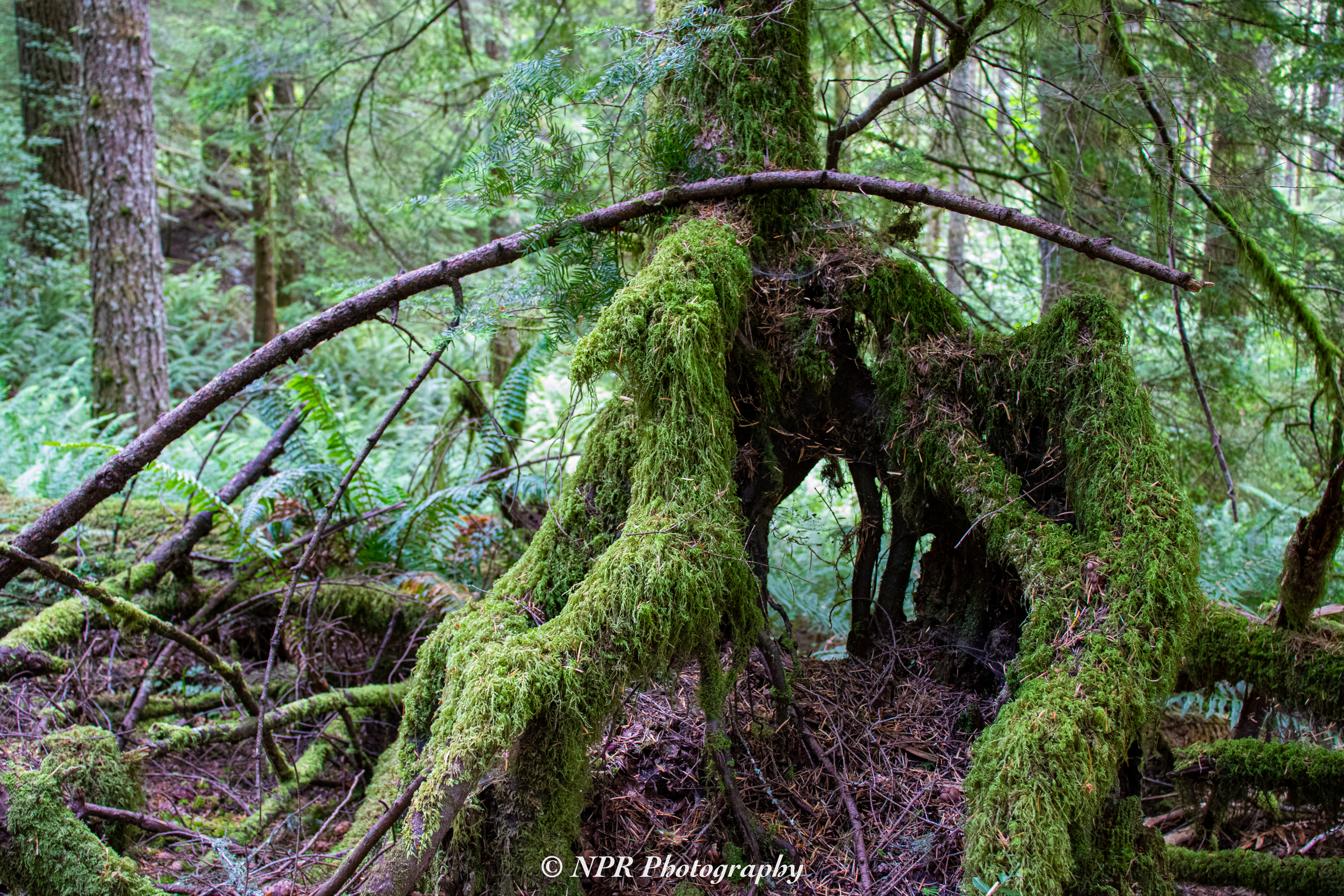
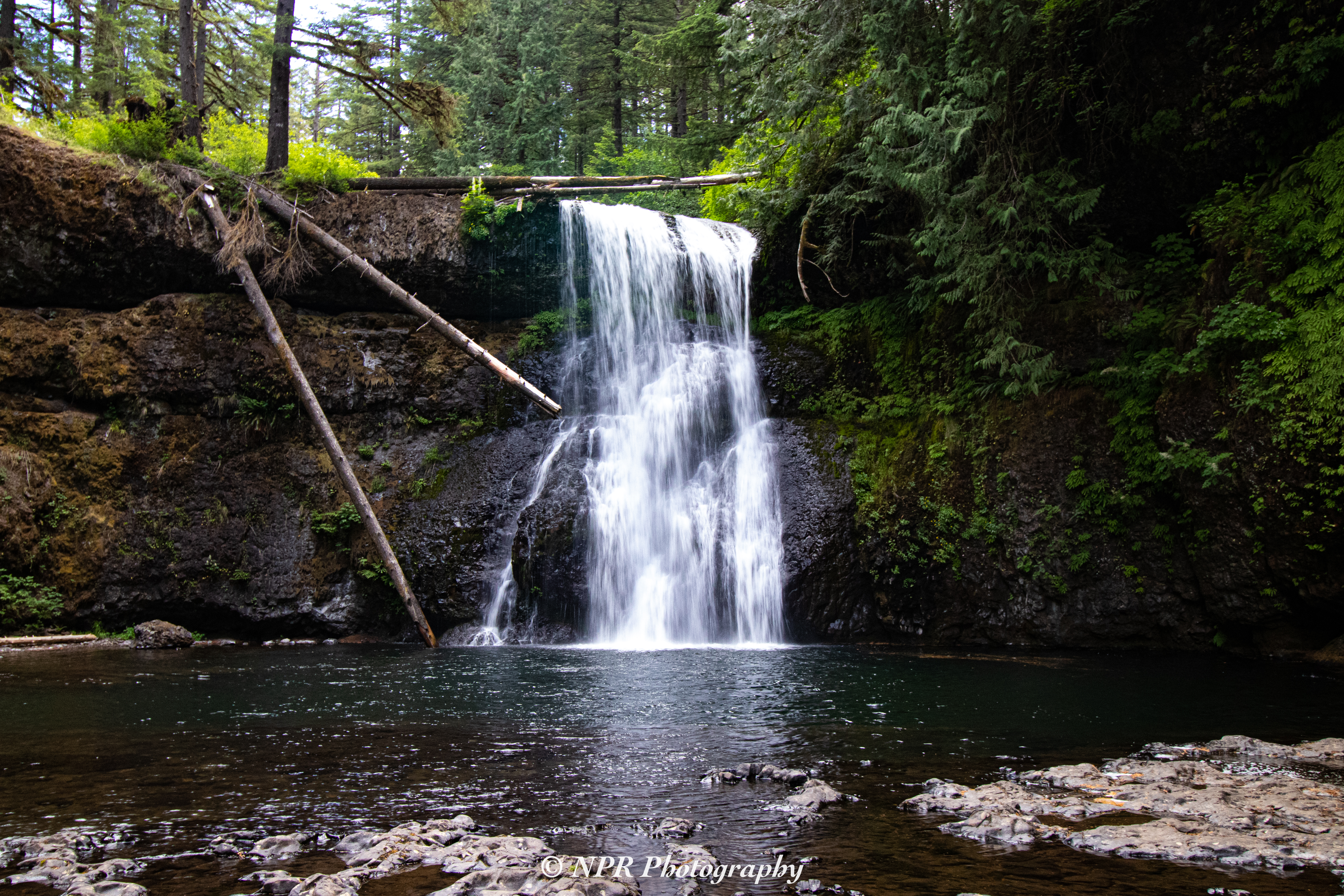
Silver Falls State Park

On Saturday, June 22nd of 2019, we got a late start leaving our hotel in Portland, Oregon. It was almost 8 AM when we began our trip South. Our sole destination for the day was The Trail of Ten Falls located in Silver Falls State Park.

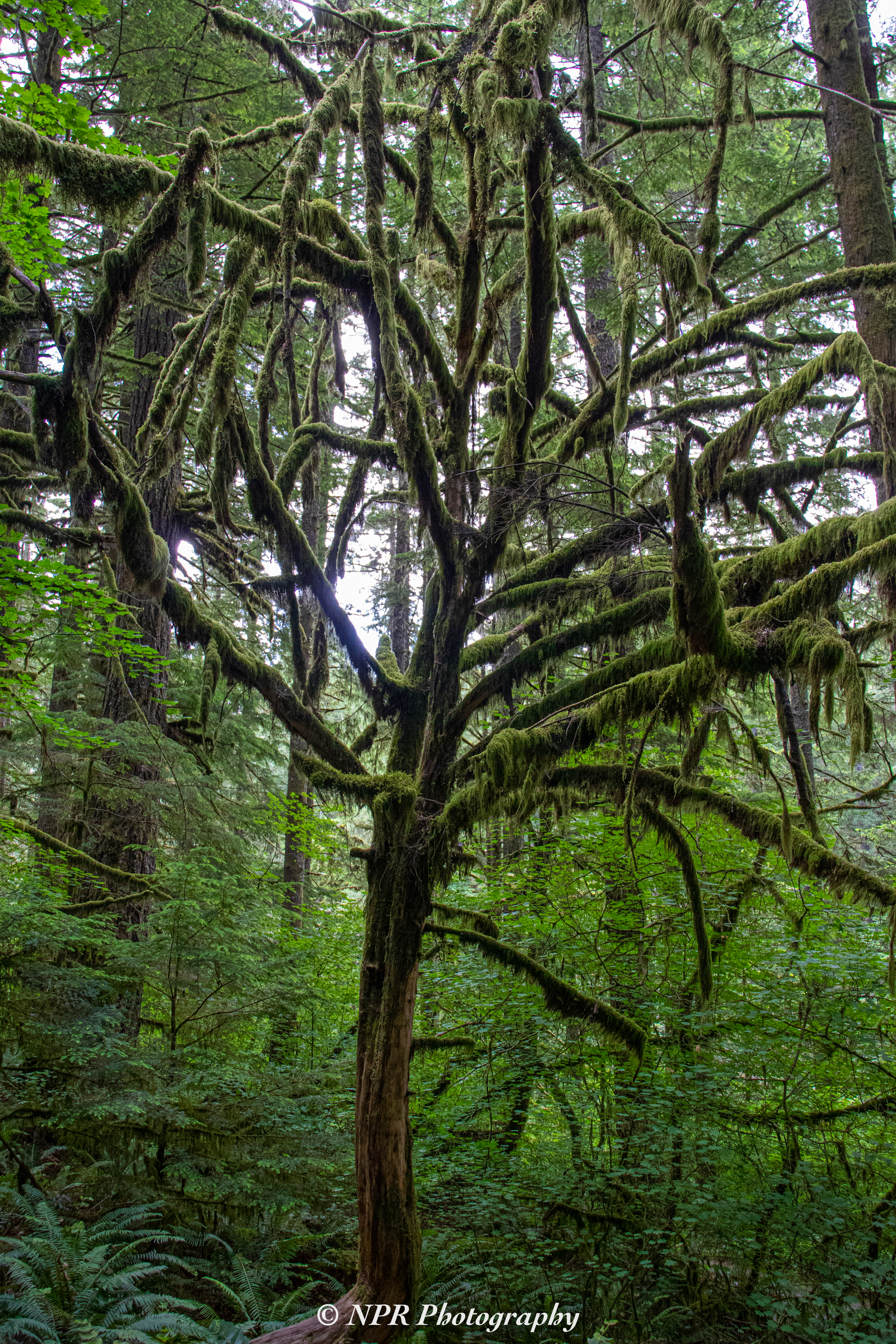
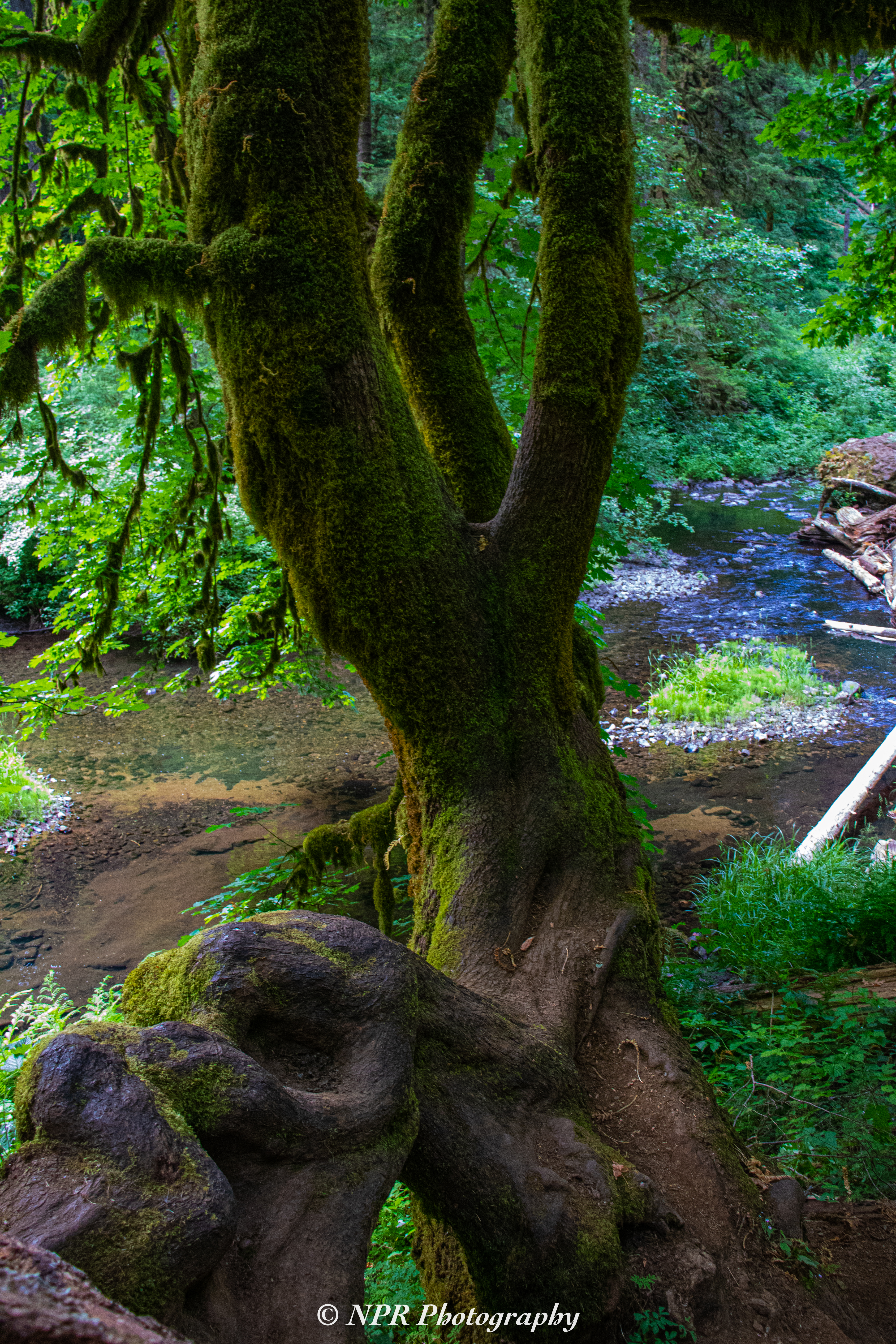
Upon arrival before 10 AM, we were disappointed to find that our trek would be limited due to no dogs being allowed on a substantial portion of the trails that make up the larger hiking trail. Nonplussed, we started off just the same, intent on enjoying what we could, of the magnificent surroundings. Photos from the early section of trail are above.

It wasn’t until we reached a certain point in our hike that I determined I would separate from the others and explore another section of the trail while they continued along the dog-friendly portion until we could meet up at the far end.

It was a strange thing, to be hiking by myself for more than an hour, stopping at various places to capture some of the lush and verdant beauty with my camera.

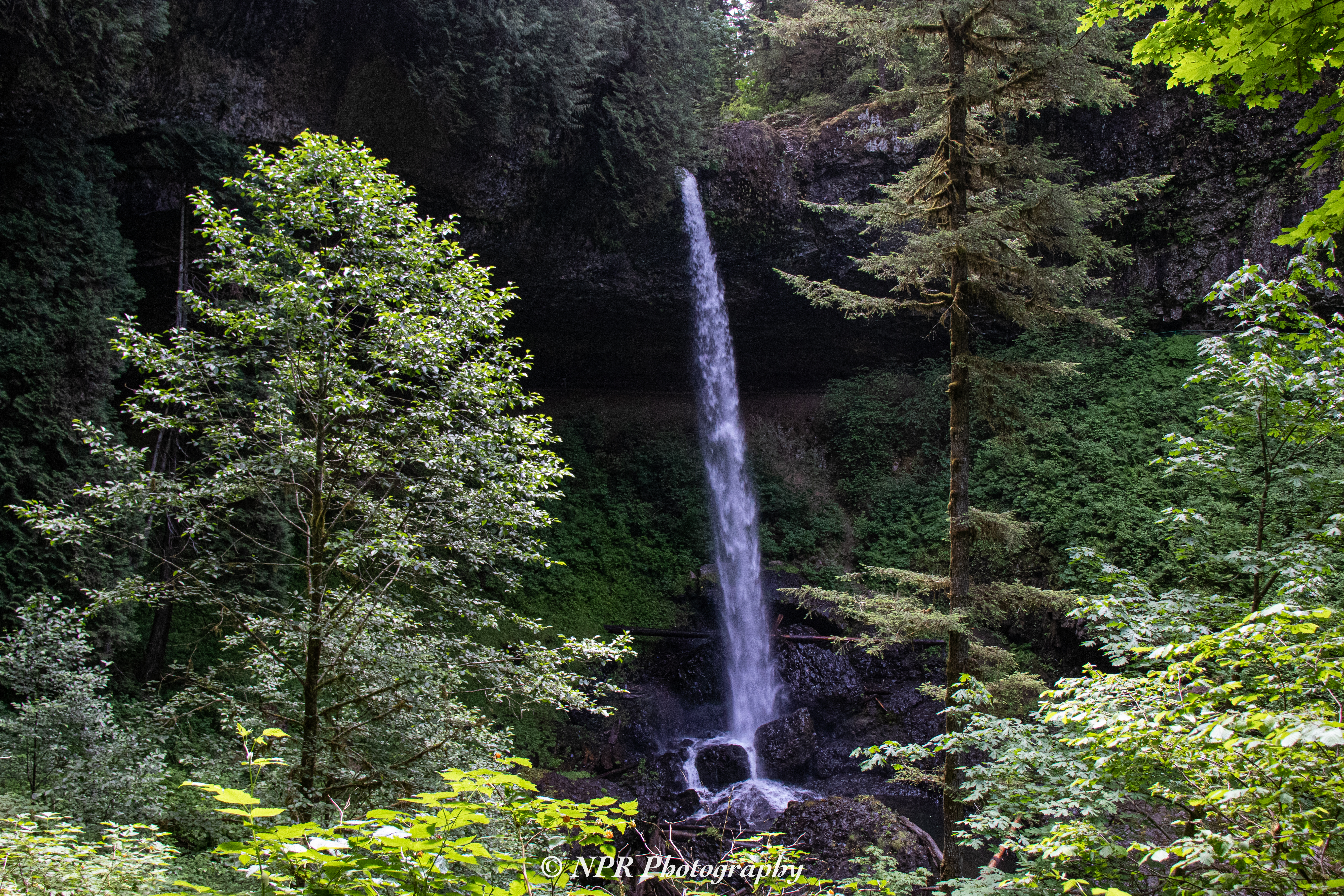
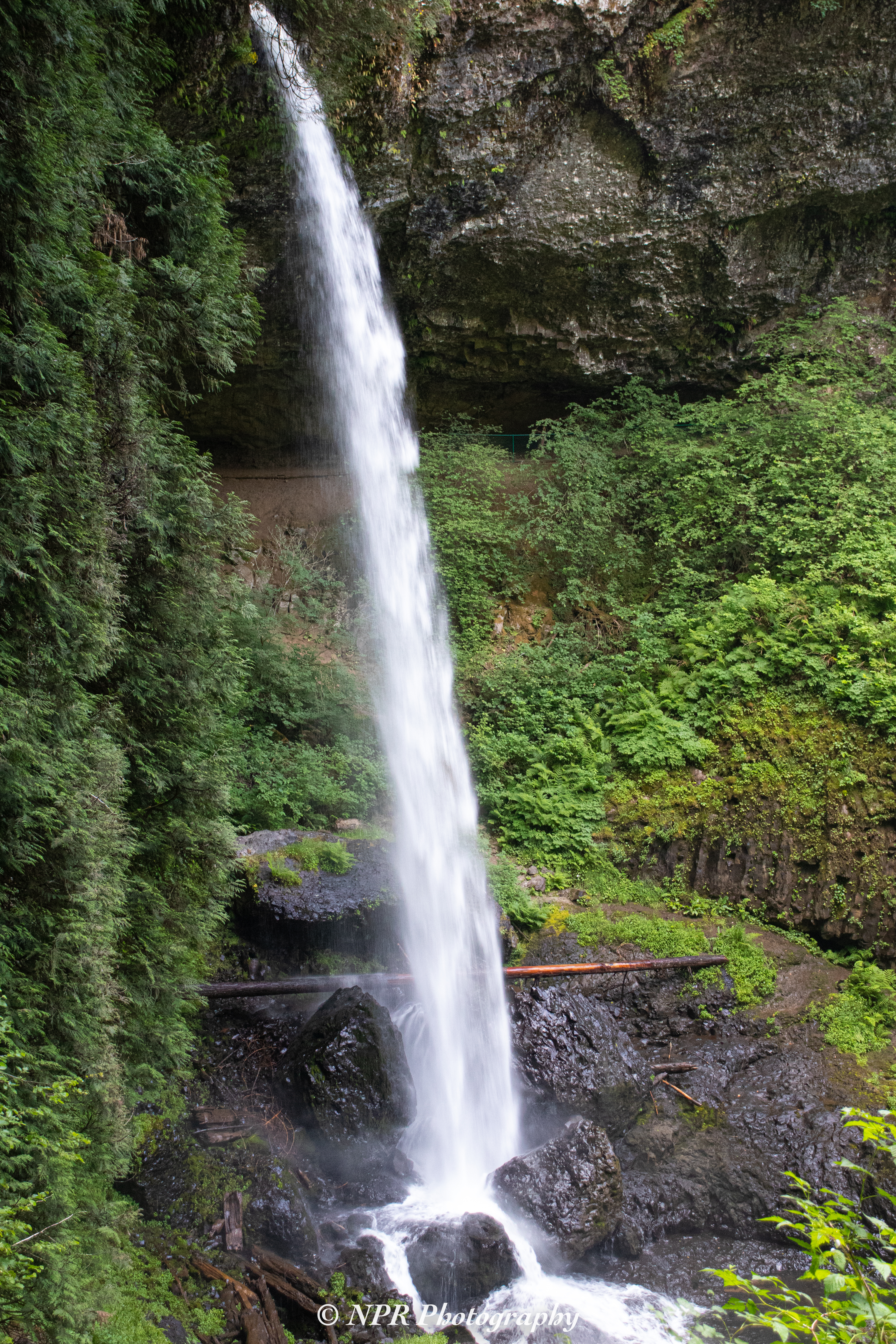
Naturally, North Falls was the most spectacular sight to be seen on this section of the trail, the large path circling behind the cascading water producing a breathtaking barrage of sight and sound. Photos from my solo portion of the hike are below.

Upon meeting with the others in the parking area beyond North Falls, I remained with our dog so that they could head back the way I’d come in order to at least witness that spectacular waterfall for themselves.

When they returned, we continued our trek to Upper North Falls, another section of the trail that was dog-friendly.

The hike to Upper North Falls (pictured above) was not a particularly long journey from the North Falls parking area, and it makes for quite the terrific place to rest and relax, taking in the soothing sound of water battering the stone.

The return trip to the beginning of the trail was a long one and I ultimately went a significant portion of that hike alone as well. Dog and fellow adventurers, worn out from the hours spent on the trail, remained at a resting spot near the Silver Falls Highway while I returned to the car and came back to retrieve them.

It was after 3 PM when we returned to Portland, and we determined it was a good idea to relax the rest of the day, knowing that we would be departing from Portland and heading Northwest to Port Angeles, Washington the following morning.

Those intimately familiar with obscure slasher flicks of the 1980s might recognize some of these locations from the 1981 movie Just Before Dawn, significant portions of that B-Movie extravaganza having been filmed in Silver Falls State Park.

Oregon Coast Day Two

It was shortly before 7 AM on Friday, June 21st of 2019, when we got started with our day. Leaving our hotel, we headed to North Portland, Oregon and arrived at Cathedral Park only a short while after 7.

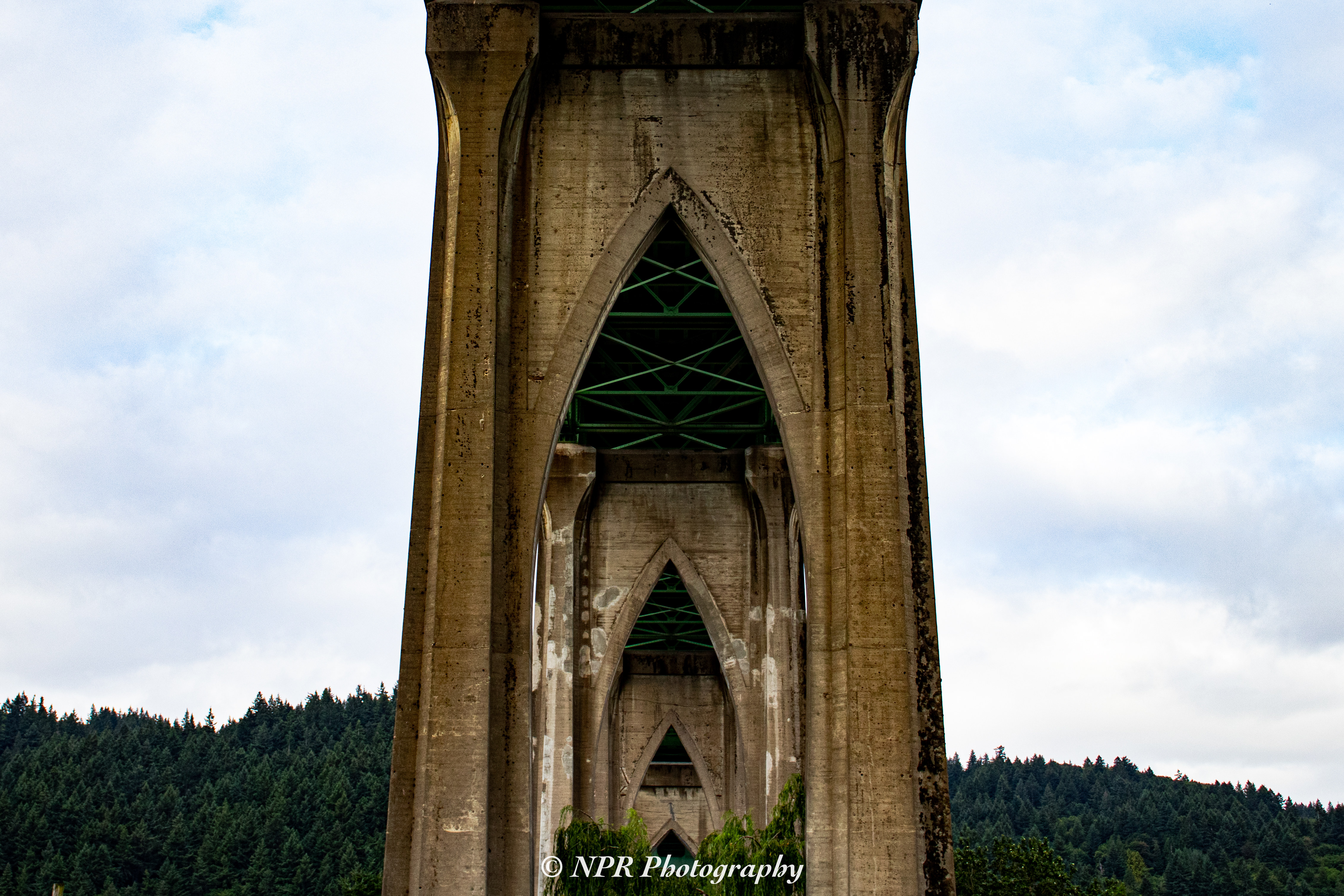
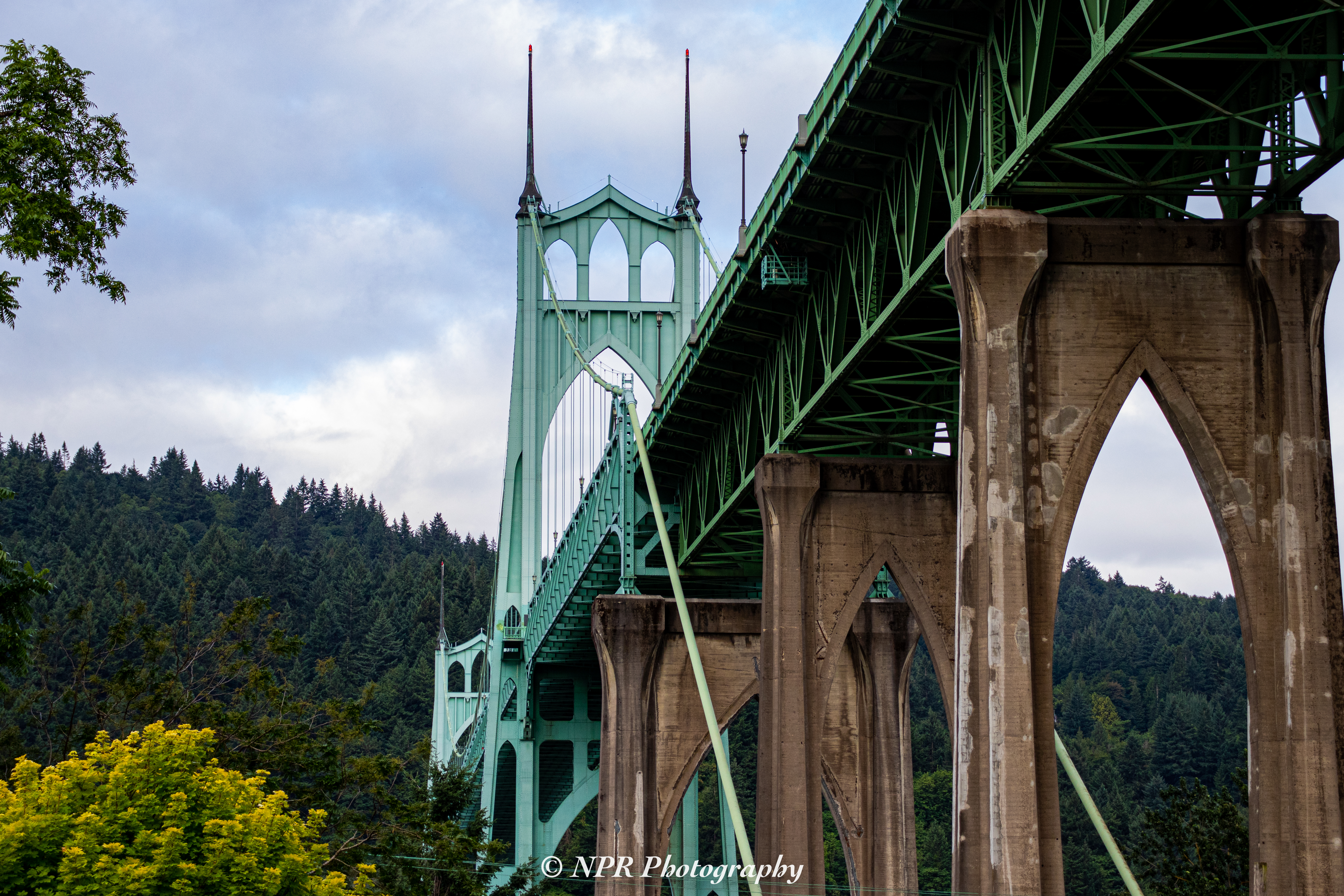
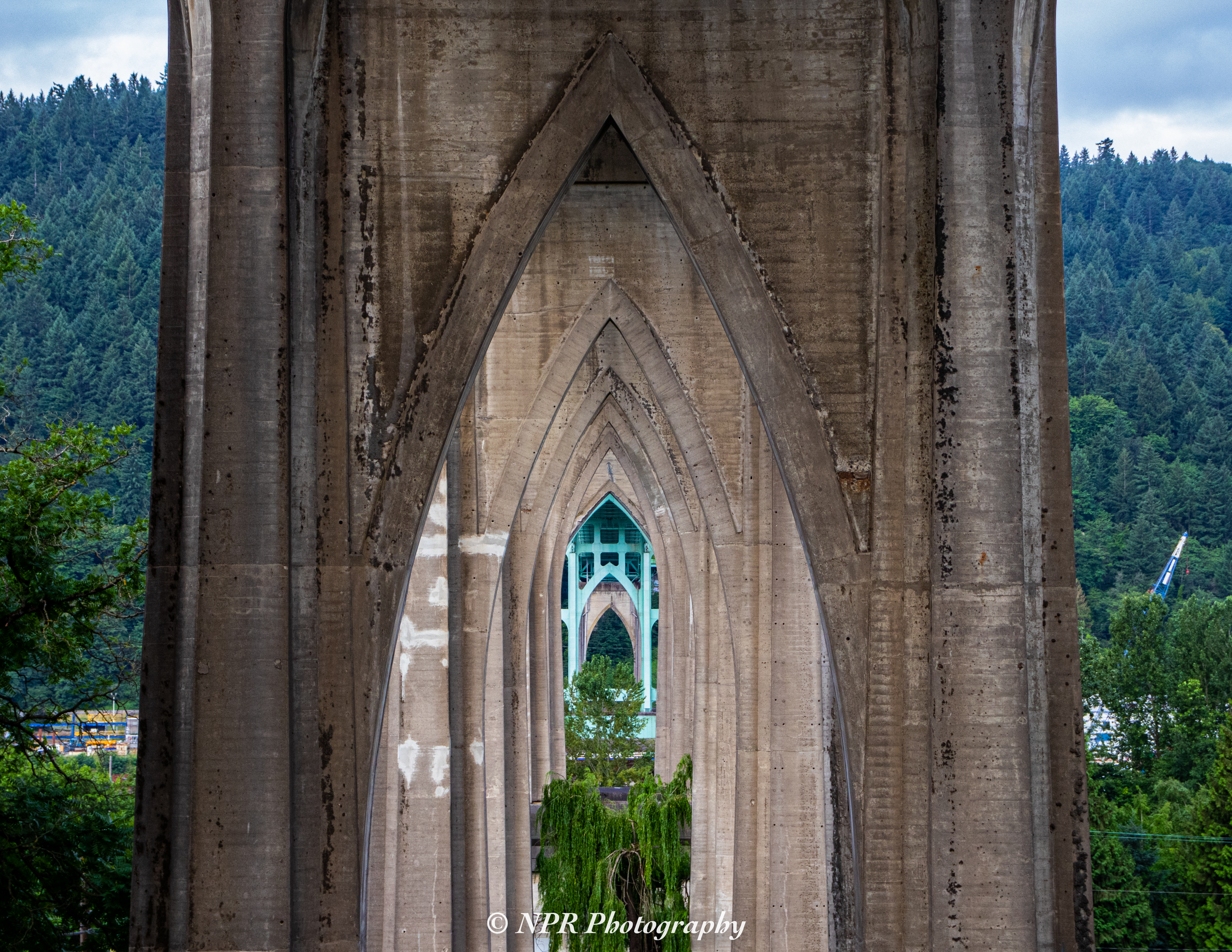
We spent a little over half an hour enjoying a walk through the park and admiring the outdoor cathedral appearance of the gothic arches supporting the St. John’s Bridge as it traverses the Willamette River. A couple of homeless men with bicycles and small trailers to be towed behind said bikes congregated beneath one of the arches and, if I’d had the presence of mind, I would have liked to capture some images of them where they rested at the base of those columns. I’m not sure that they would have been amenable to being photographed, but I really should have asked.
Photos from Cathedral Park are above.

From there, we headed South on Interstate 5, traveling down to the exit for Corvallis before making our way West. Arriving in Newport, we continued South along Highway 101 until we arrived at our first destination of the day, Cape Perpetua Marine Reserve.

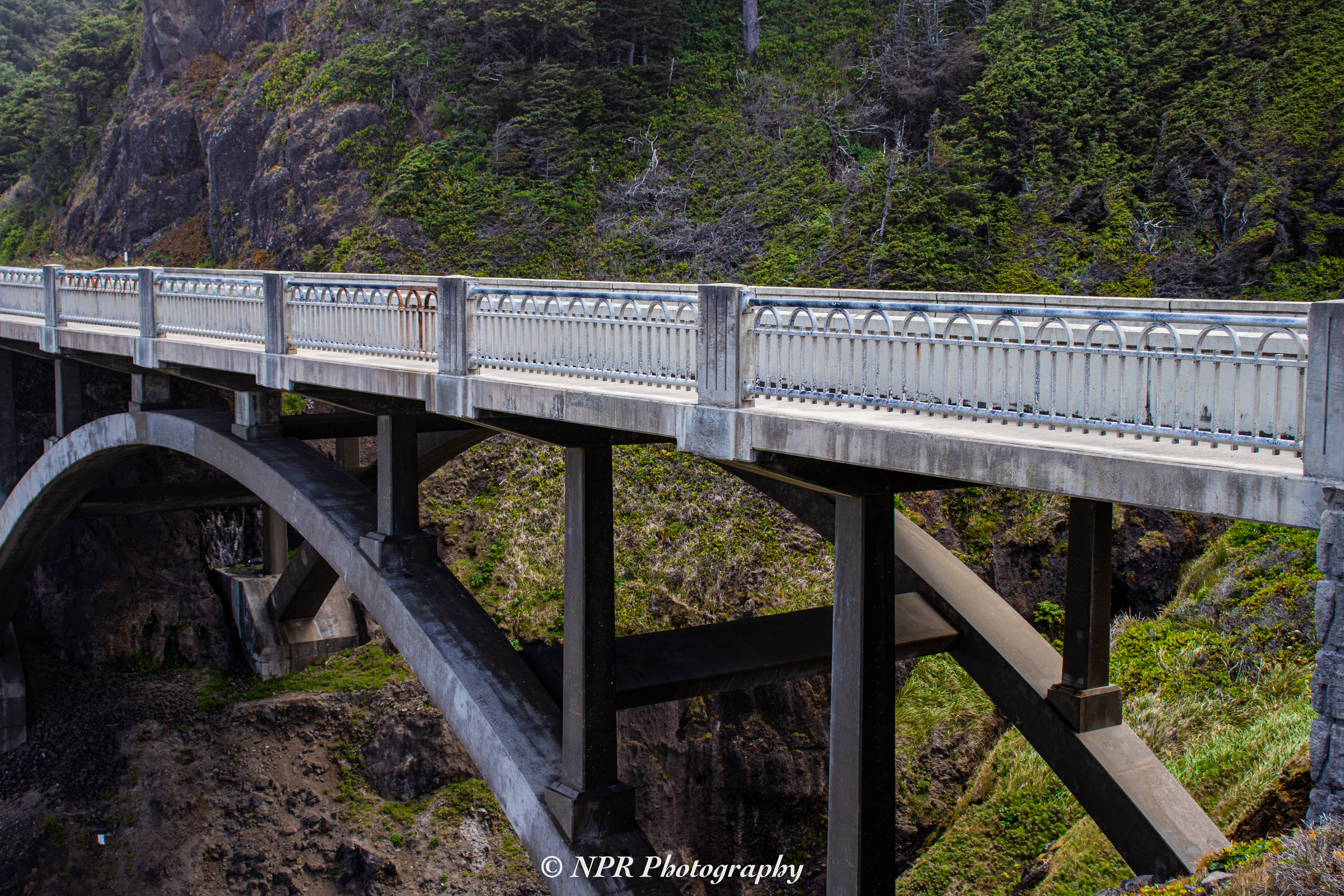
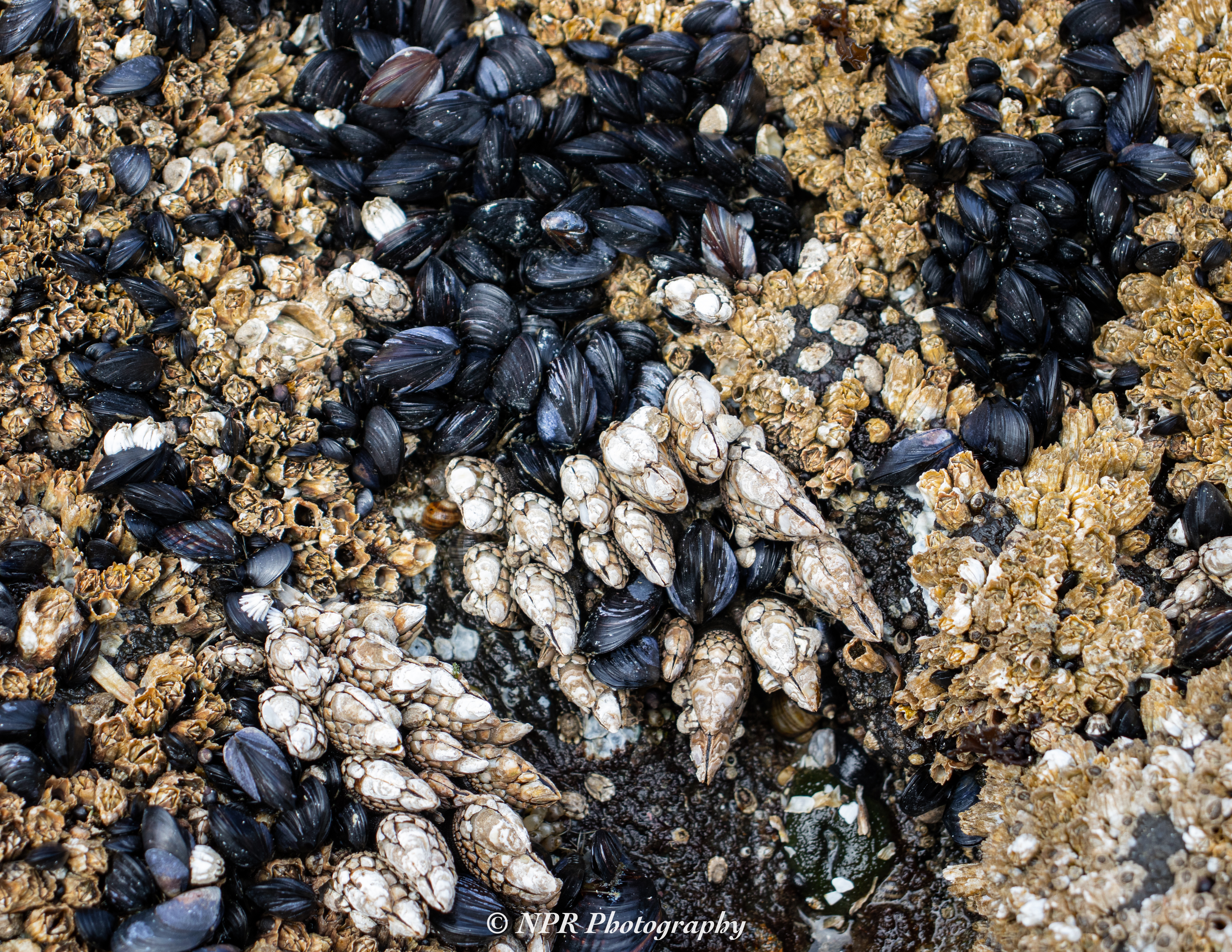
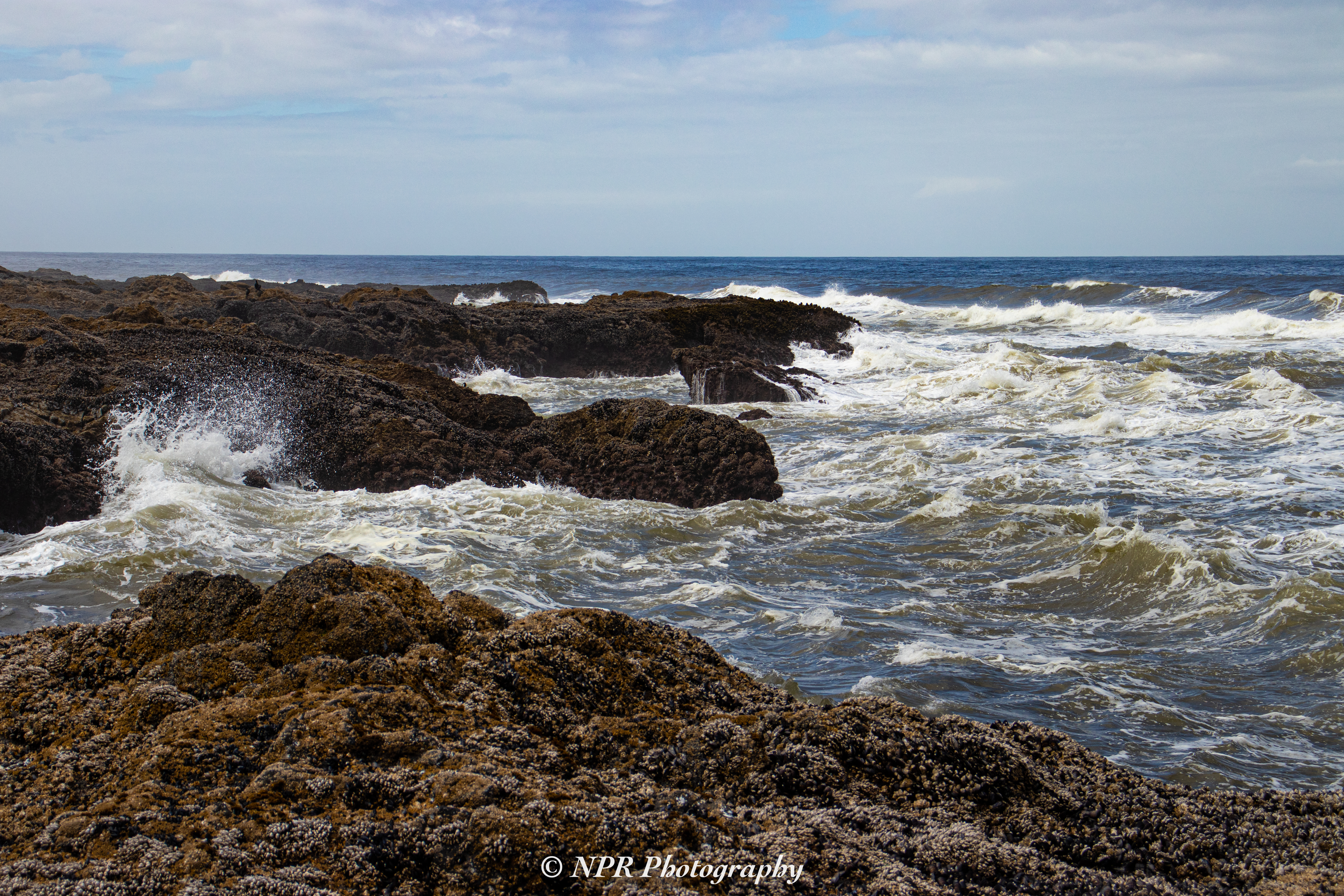
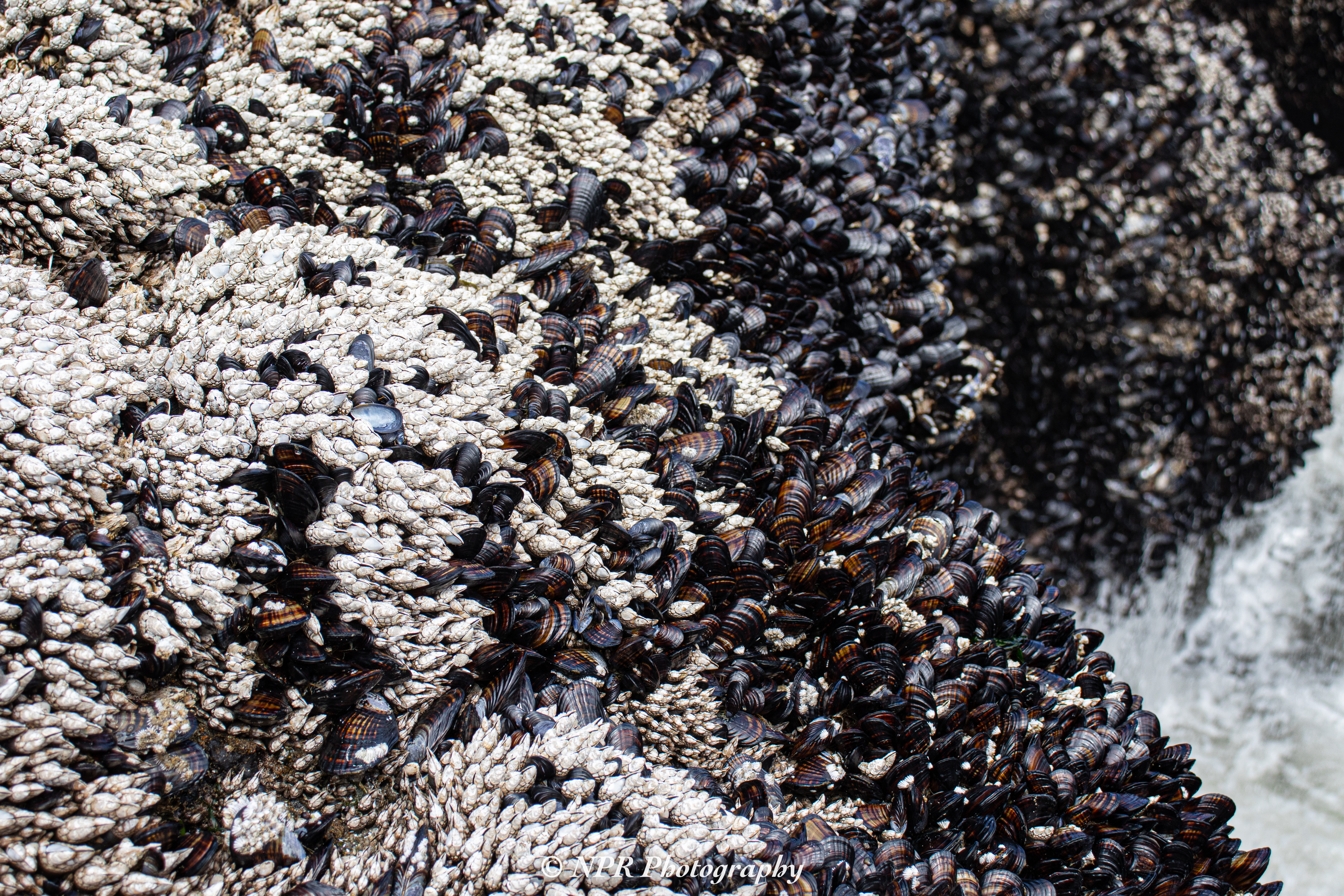
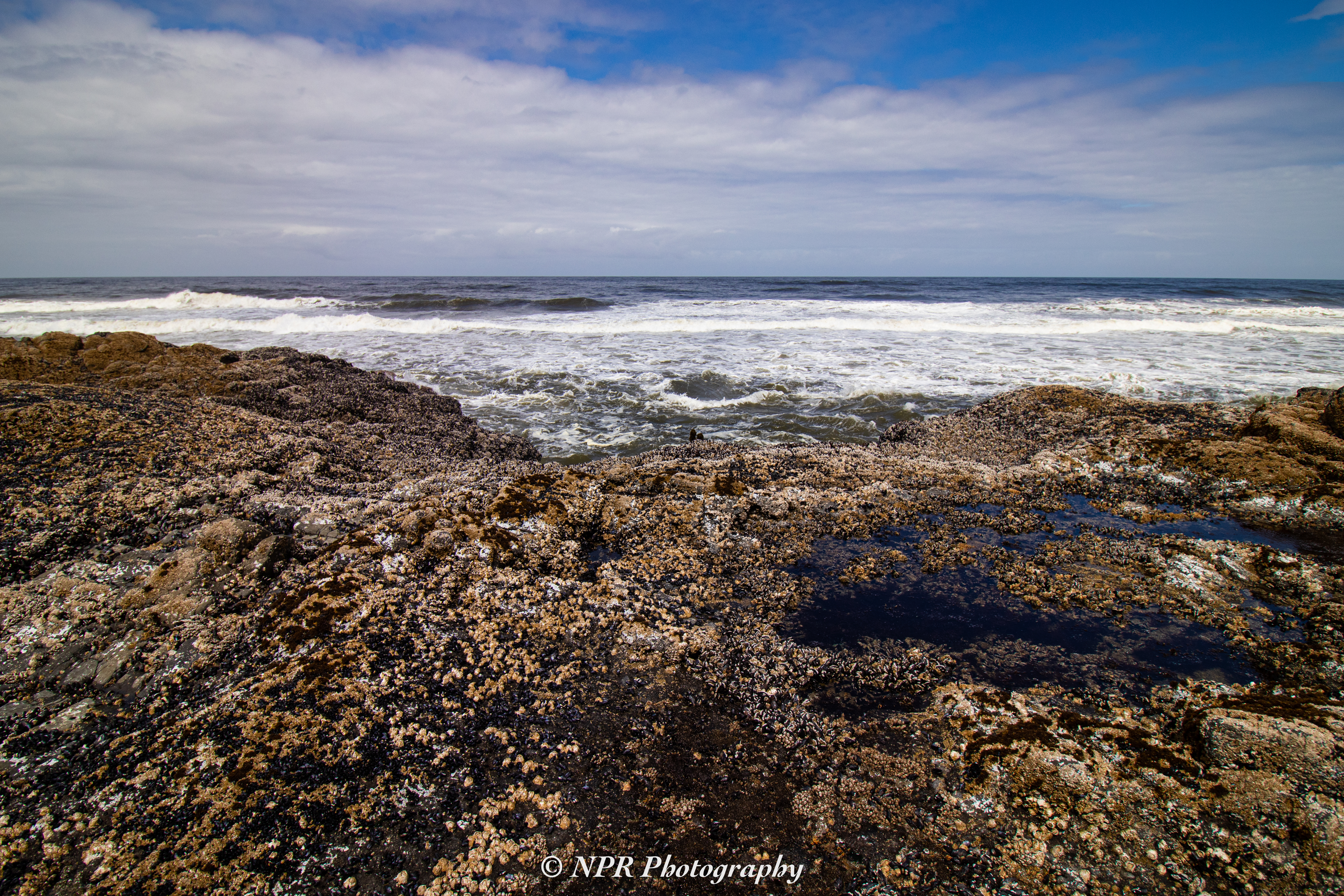
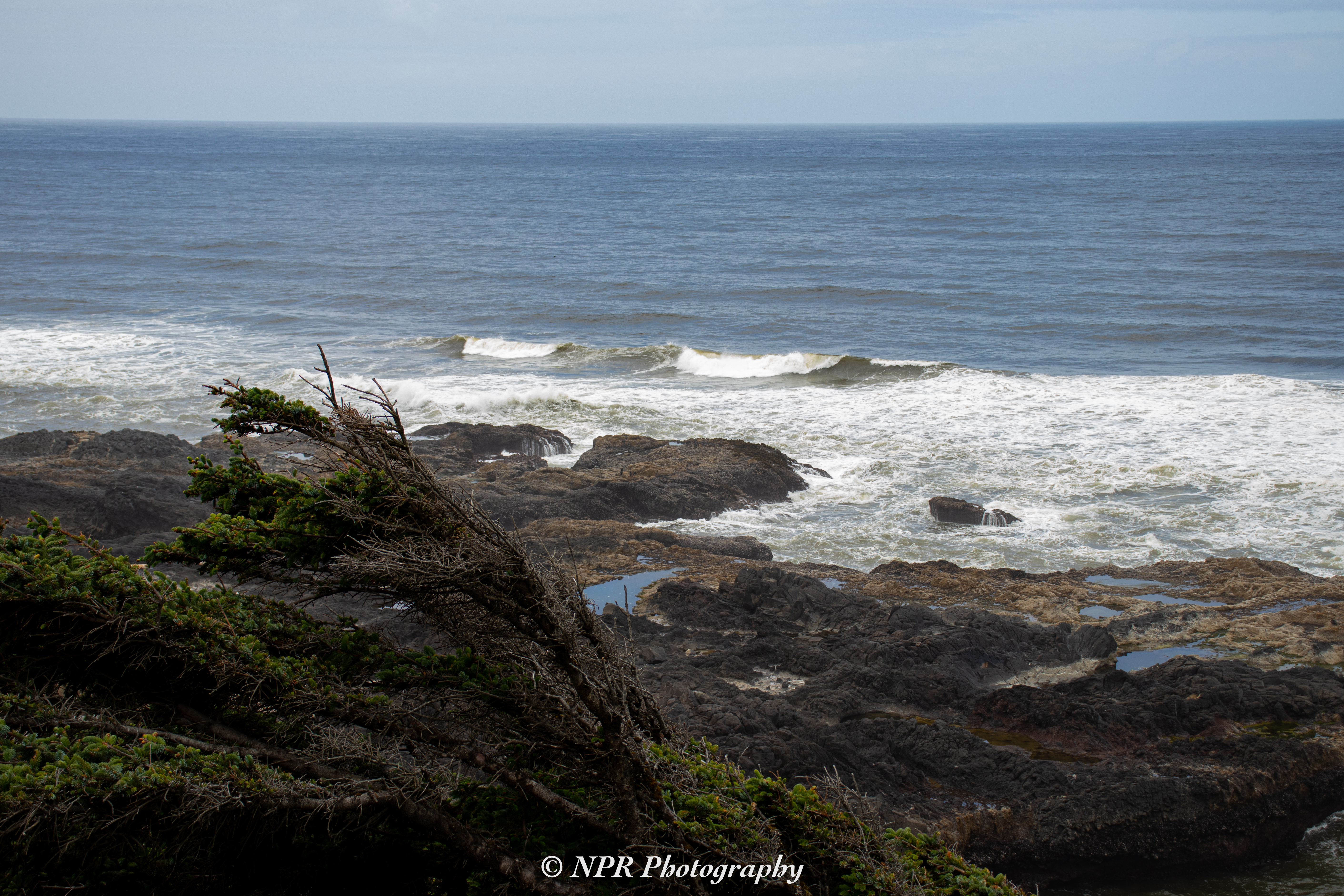
Making my way over the rocky shoreline at the end of the Thor’s Well trail was made far more challenging by my efforts to avoid the crunching sound of assorted bivalves clinging to the exposed surface of the stone due to the low tide. Countless tidepools spotted low points in the rough stone and the views all around were magnificent. I would have liked to be there near high tide so as to capture the fountain effects of Thor’s Well and Spouting Horn–as well as the appearance of the area once it was largely submerged–but we had other places on our itinerary for the day.

Photos of the coast near Thor’s Well are included above

We headed back North along the Oregon Coast Highway, returning to Newport. Our next stop was for lunch. A little while before 1 PM, we arrived at Asiatico Waterfront Fusion Sushi. We opted to dine outdoors on the pier overlooking the Yaquina Bay. The food was superb, the service was no less so, and we had the pleasure of seeing some harbor seals poking their heads curiously out of the water to peek at us while we ate.

After our lunch, we made our way to the other side of the bay and the Oregon Coast Aquarium.

It wasn’t until close to 4 PM when we finally arrived at the Yaquina Head Outstanding Natural Area. Our first stop there was somewhere we’d fallen in love with during our previous visit to the area in 2017.

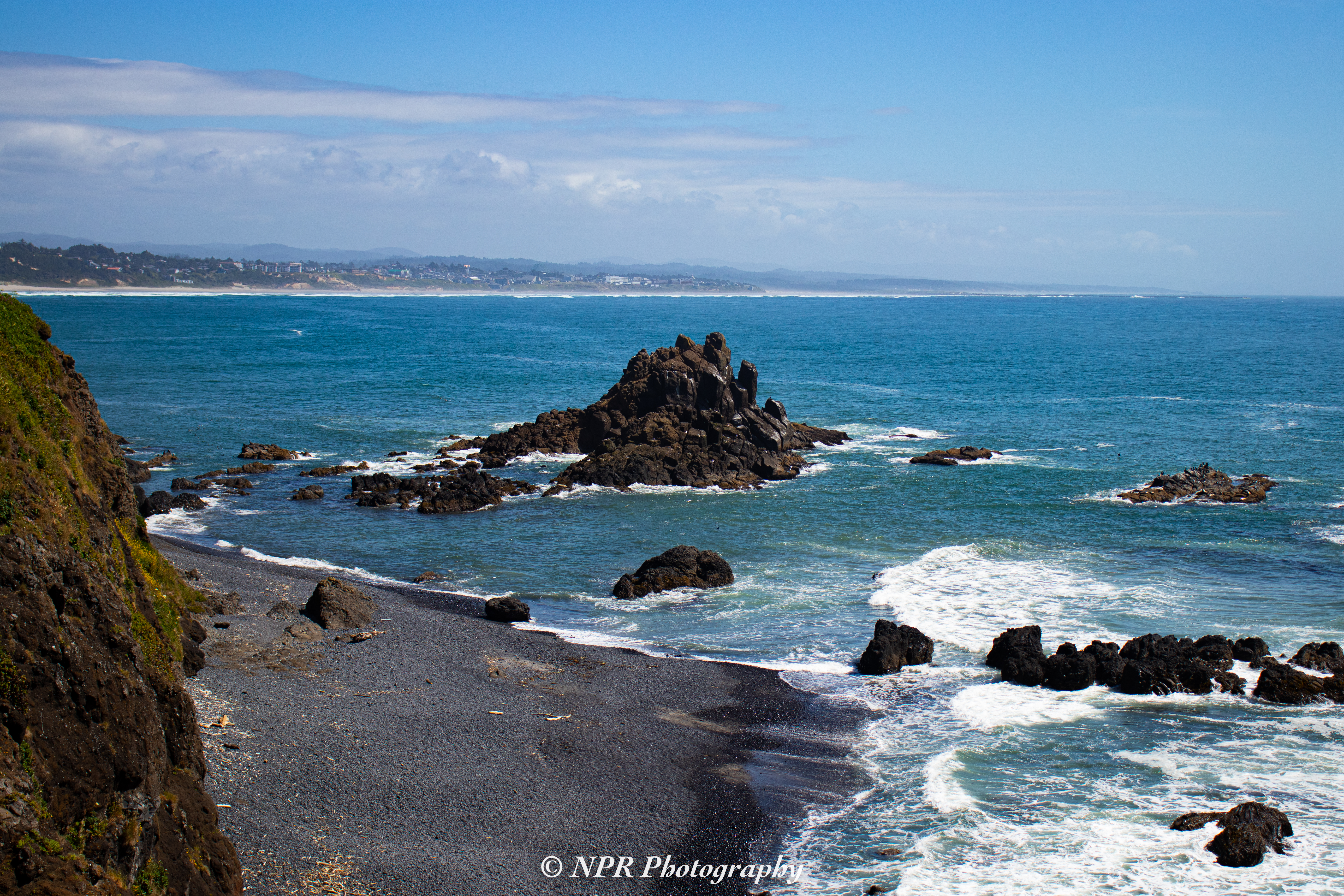
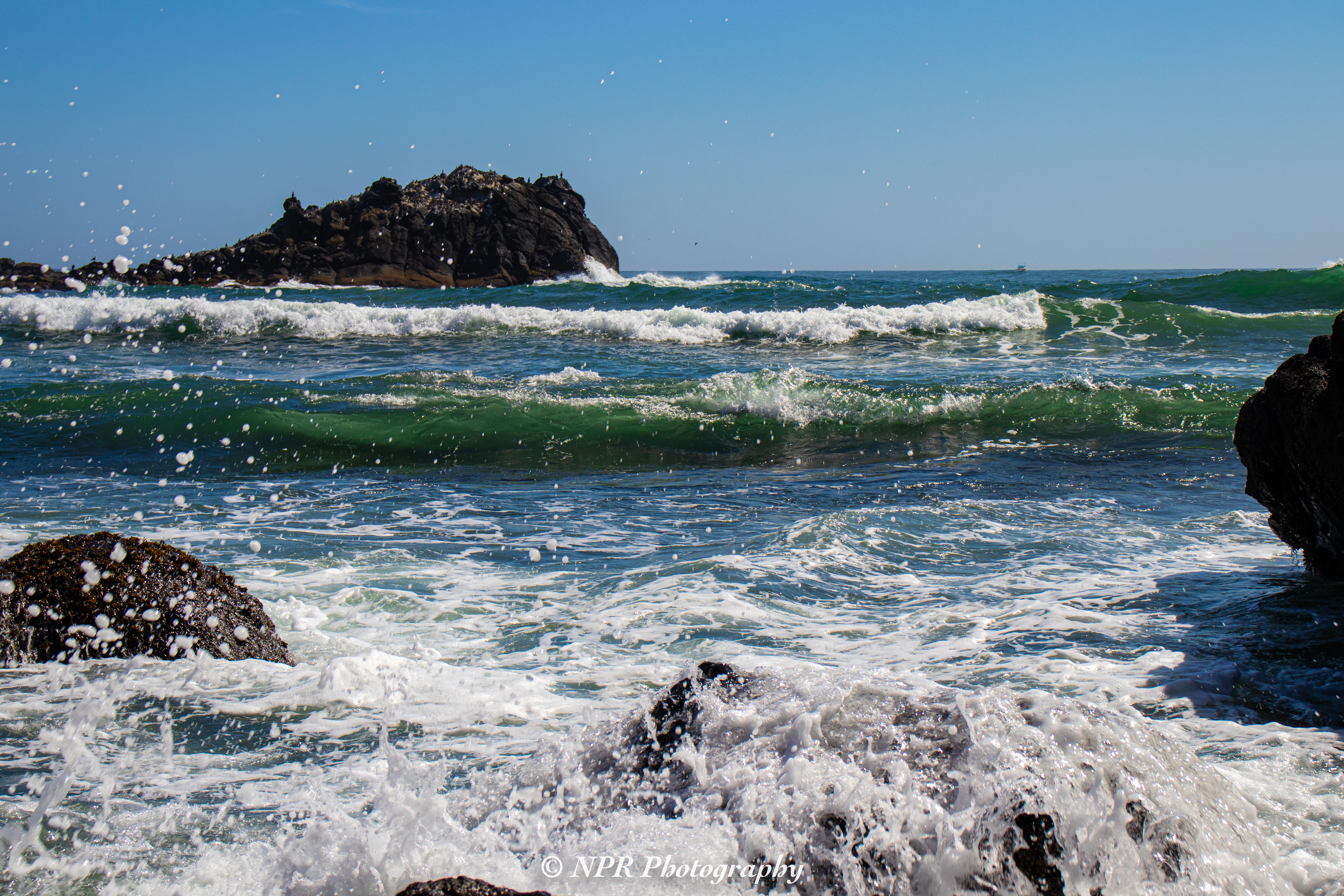
Cobble Beach (as seen in the photos above) is difficult to describe. It’s as much an auditory experience as a visual one. It’s not just the sound of the waves coming and going that does it, but rather the way the smoothly rounded stones of the shore roll over each other as the water from each wave recedes. Sitting or standing there in silence, you’re soothed by a strangely-pitched rumbling sound of rock against rock, as if being inside of a giant tumbling machine. This beach is somewhere I could spend hours without noticing the passage of time. As it stands, we did spend close to an hour right there.

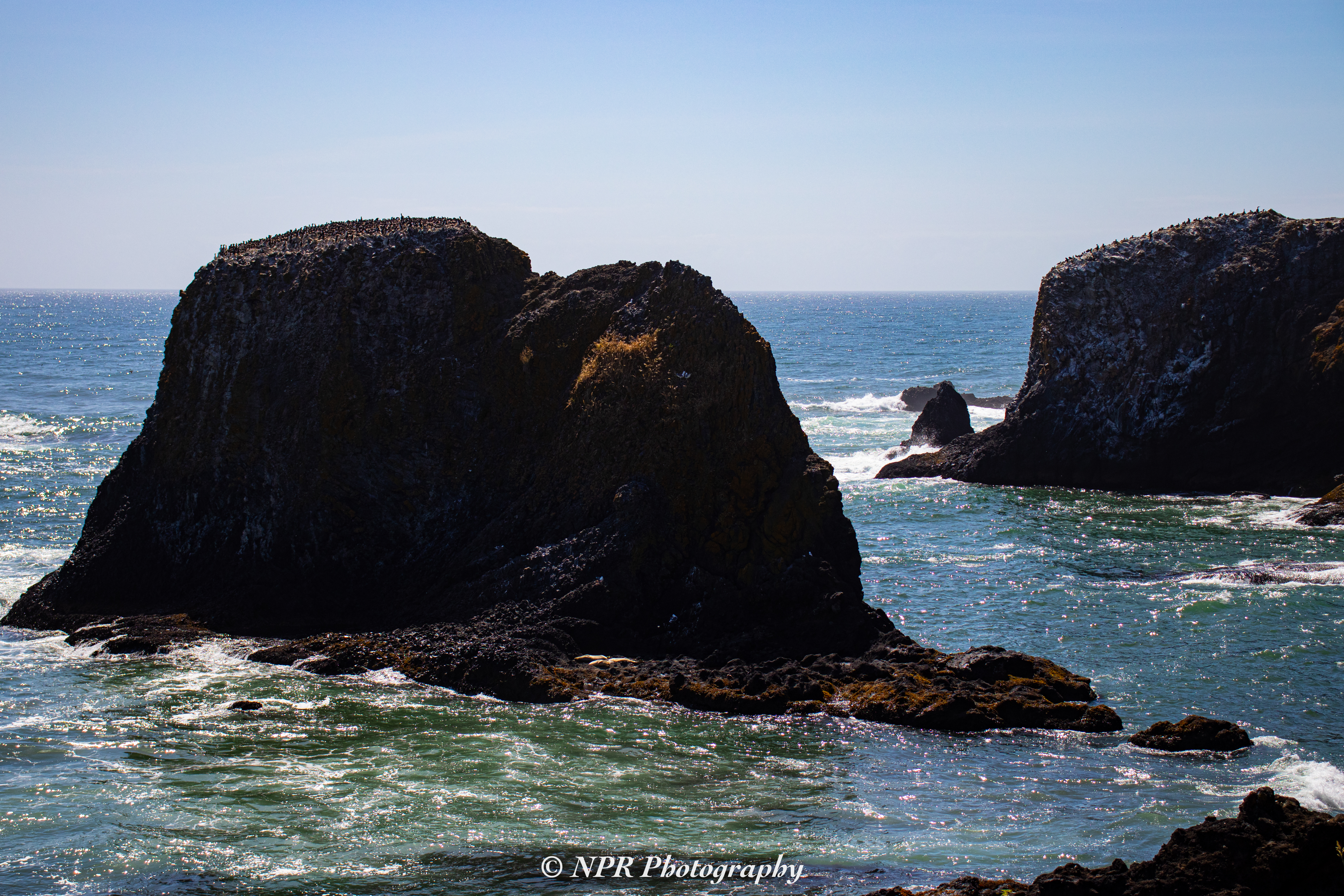
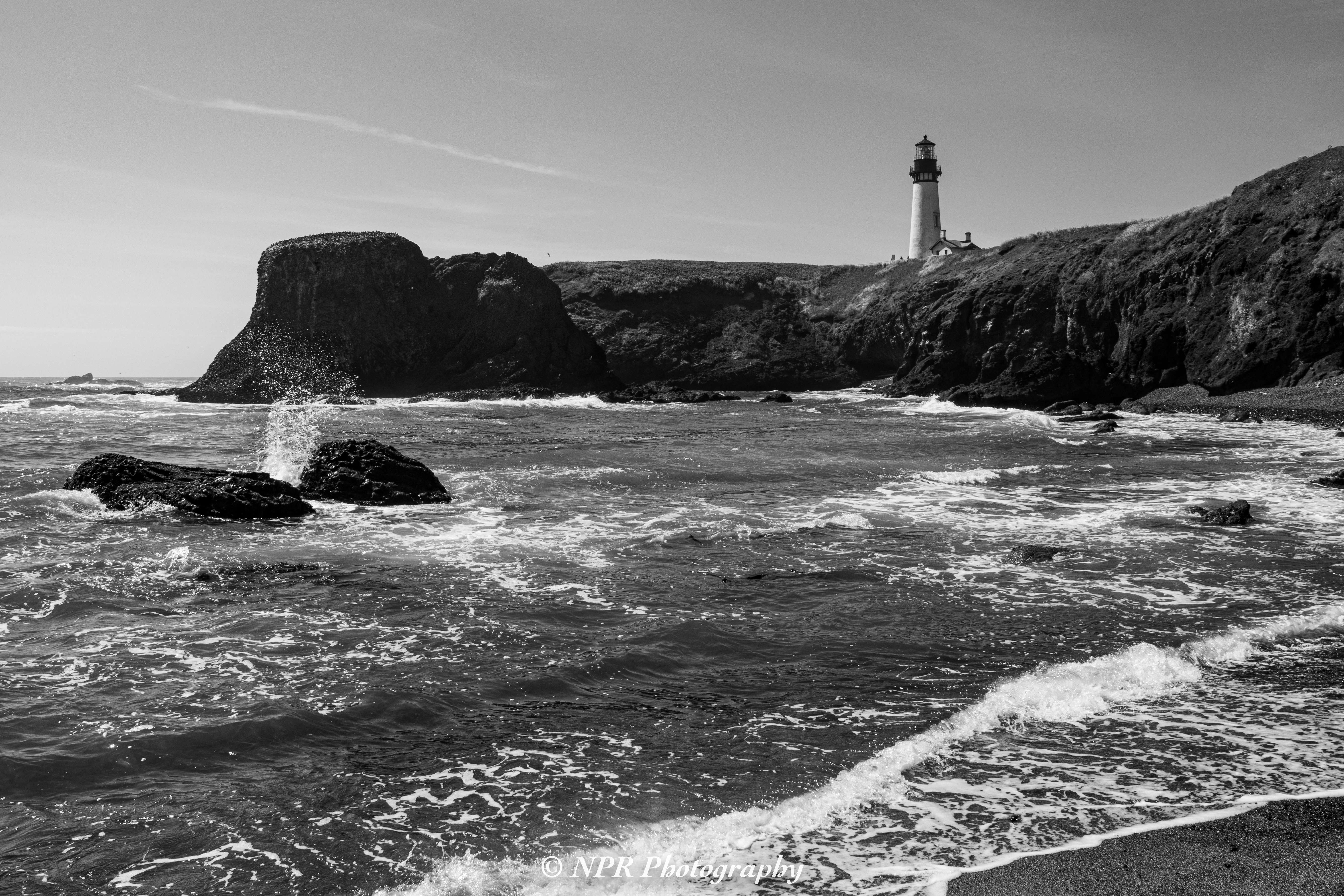
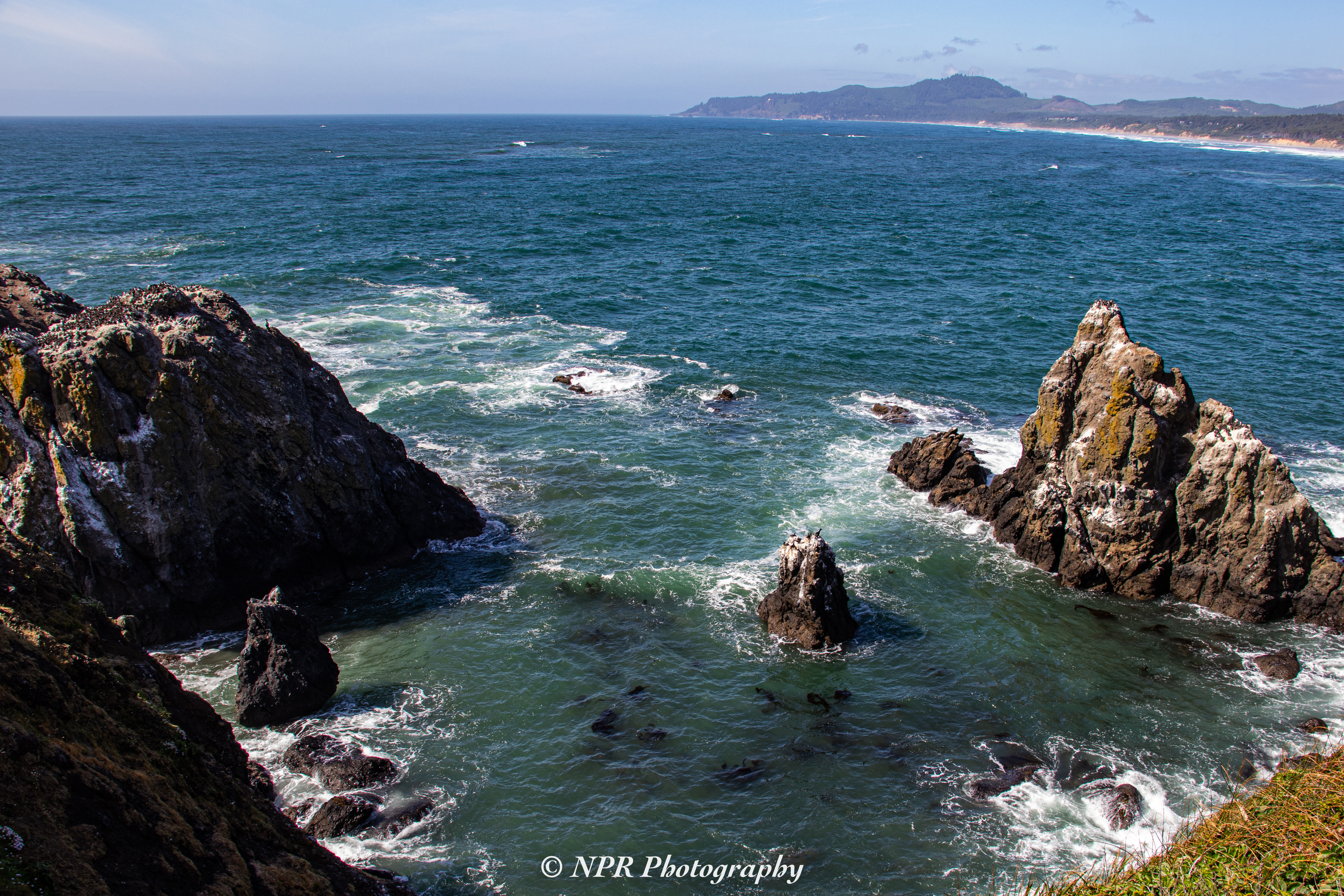
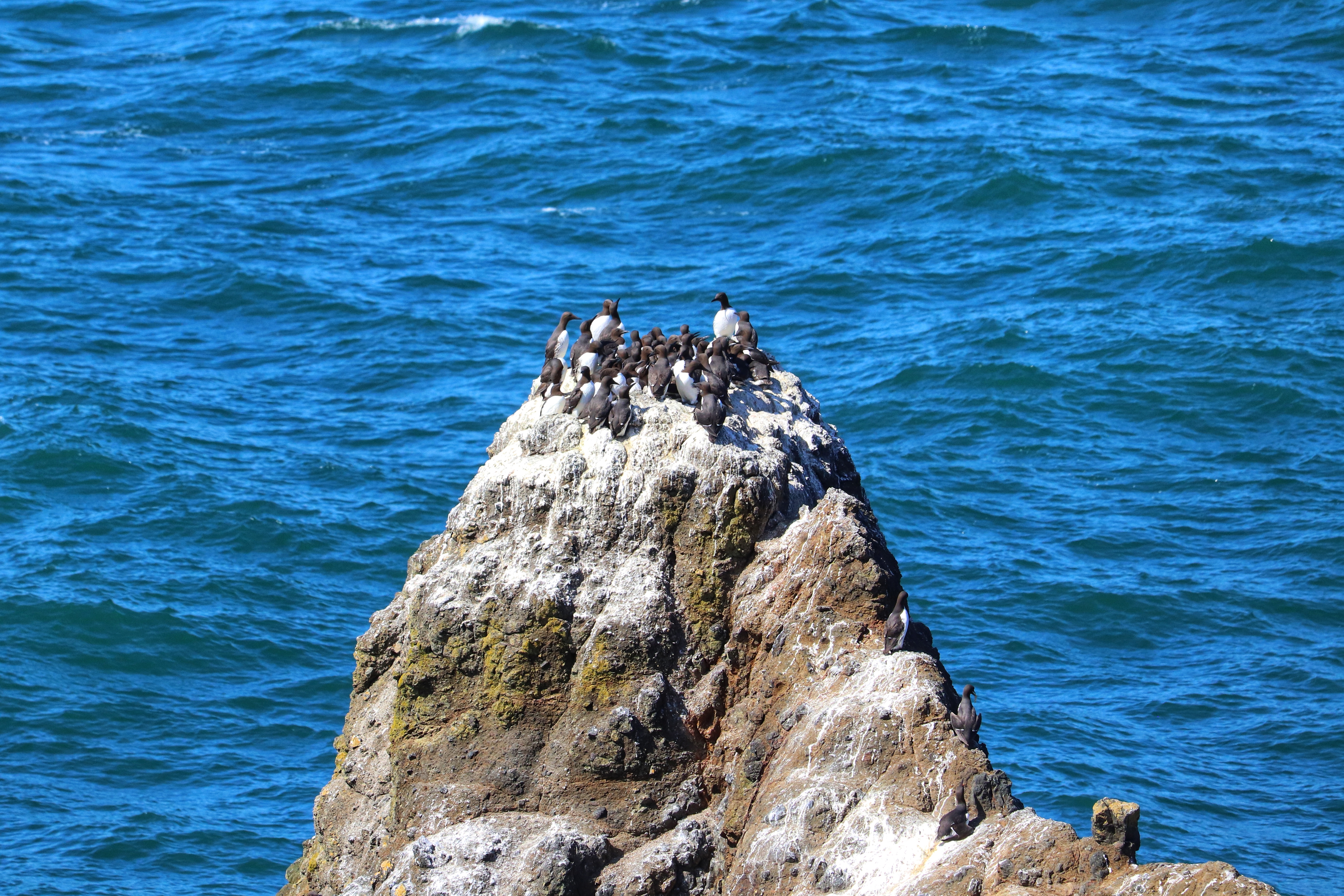
Heading back up the cliffside, the lighthouse at Yaquina Head and the views from there are stunning. The sounds of waves compete with the cacophony of nesting seabirds to produce a peculiar, natural symphony.

Photos of the Yaquina Head lighthouse are below.

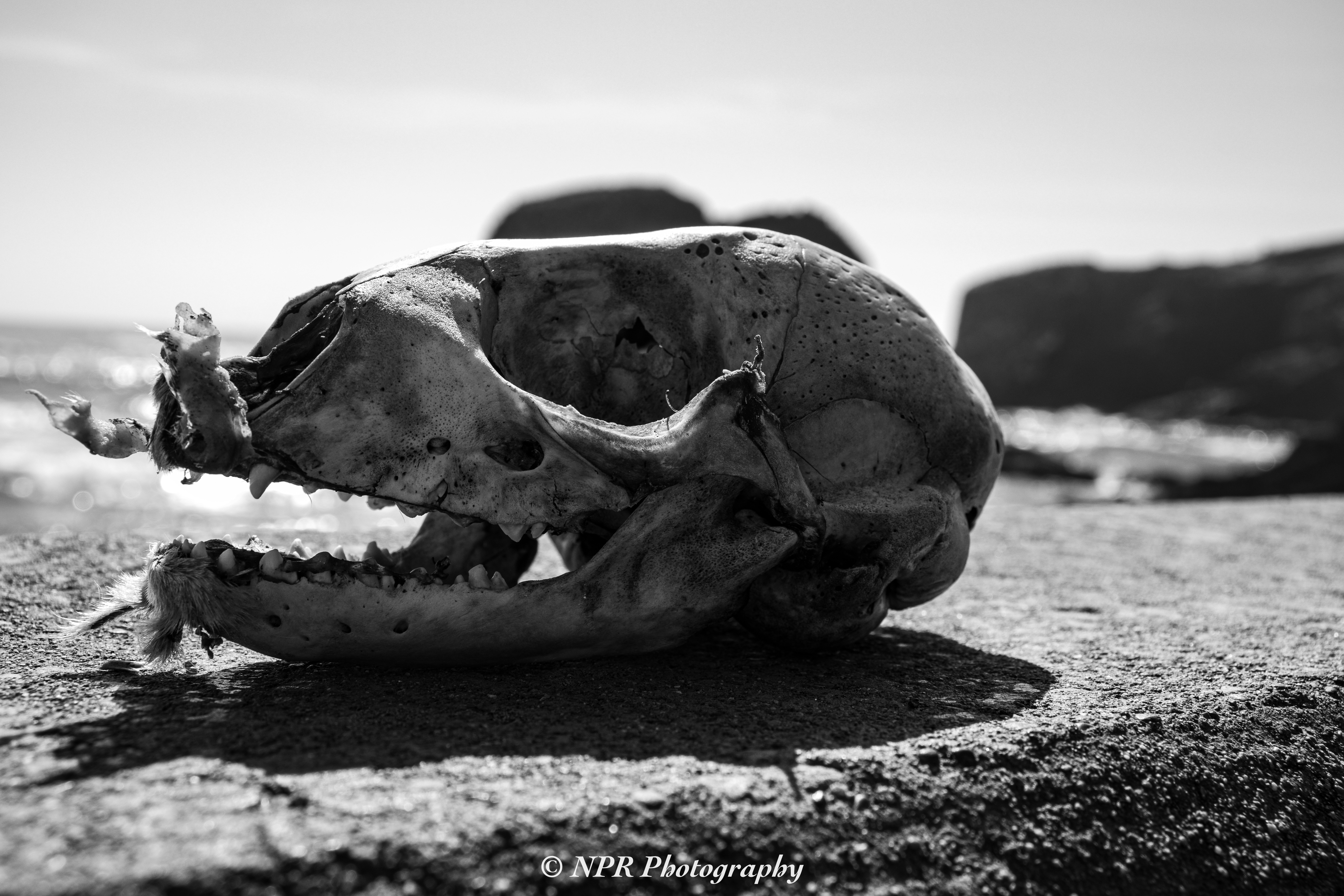
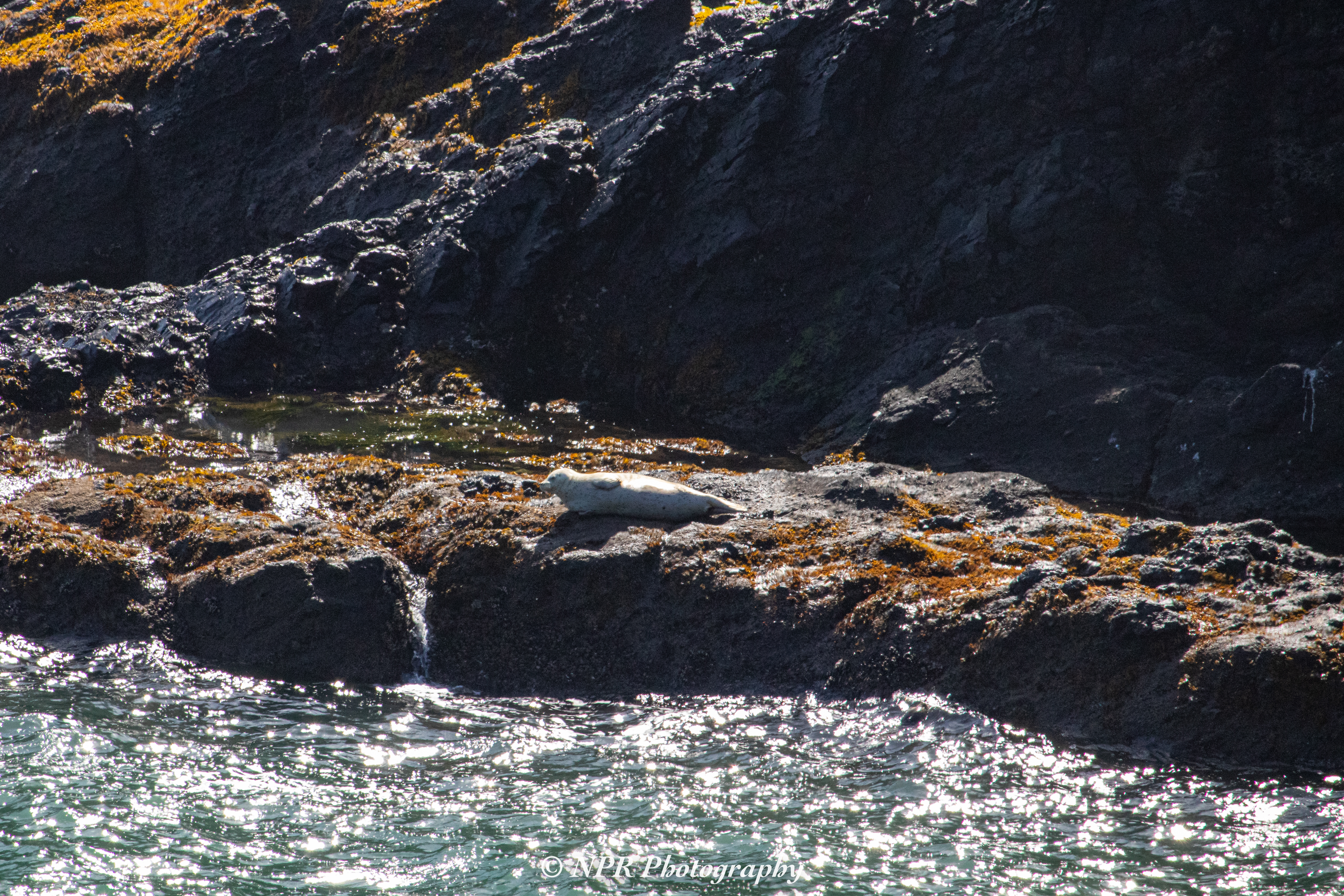
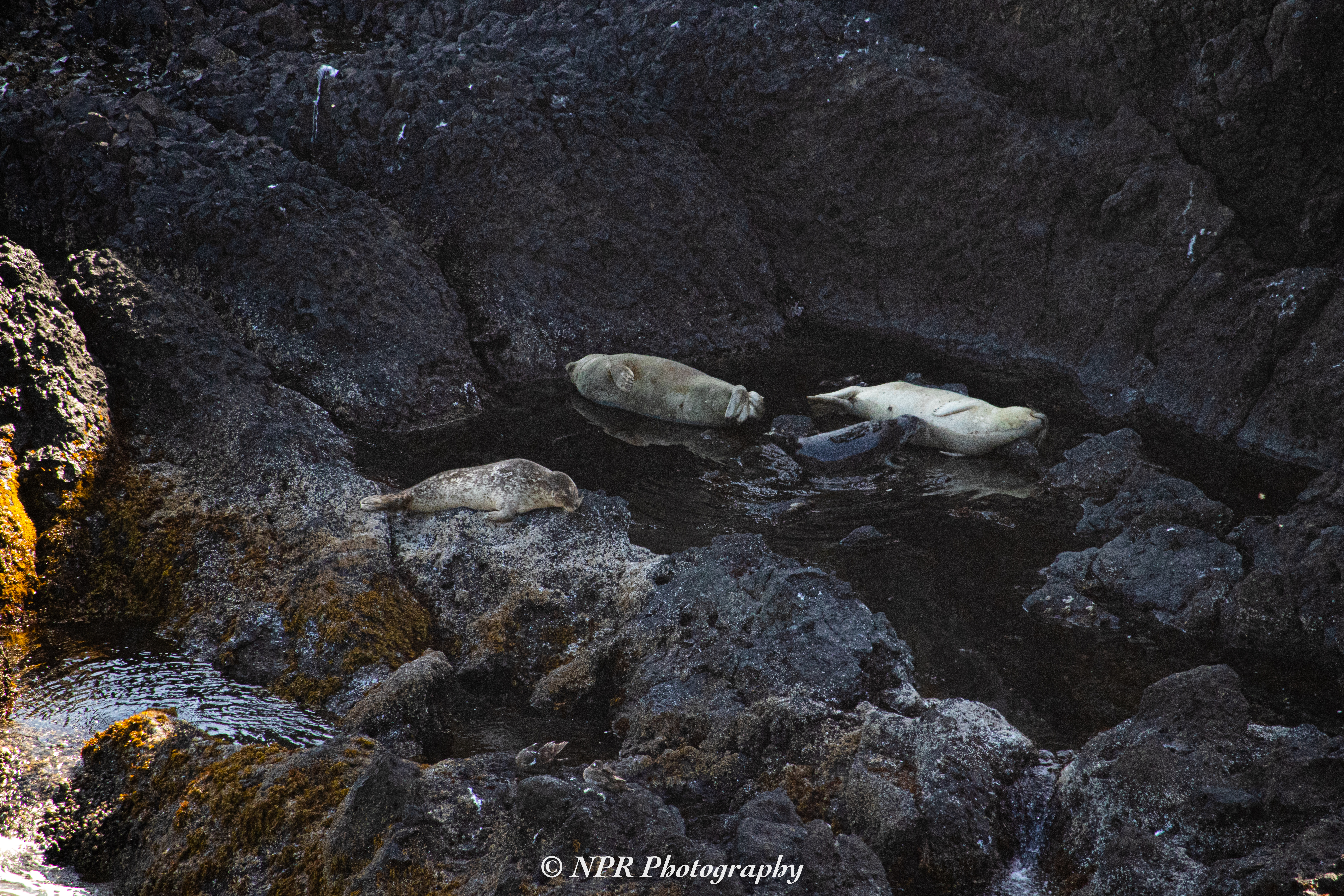
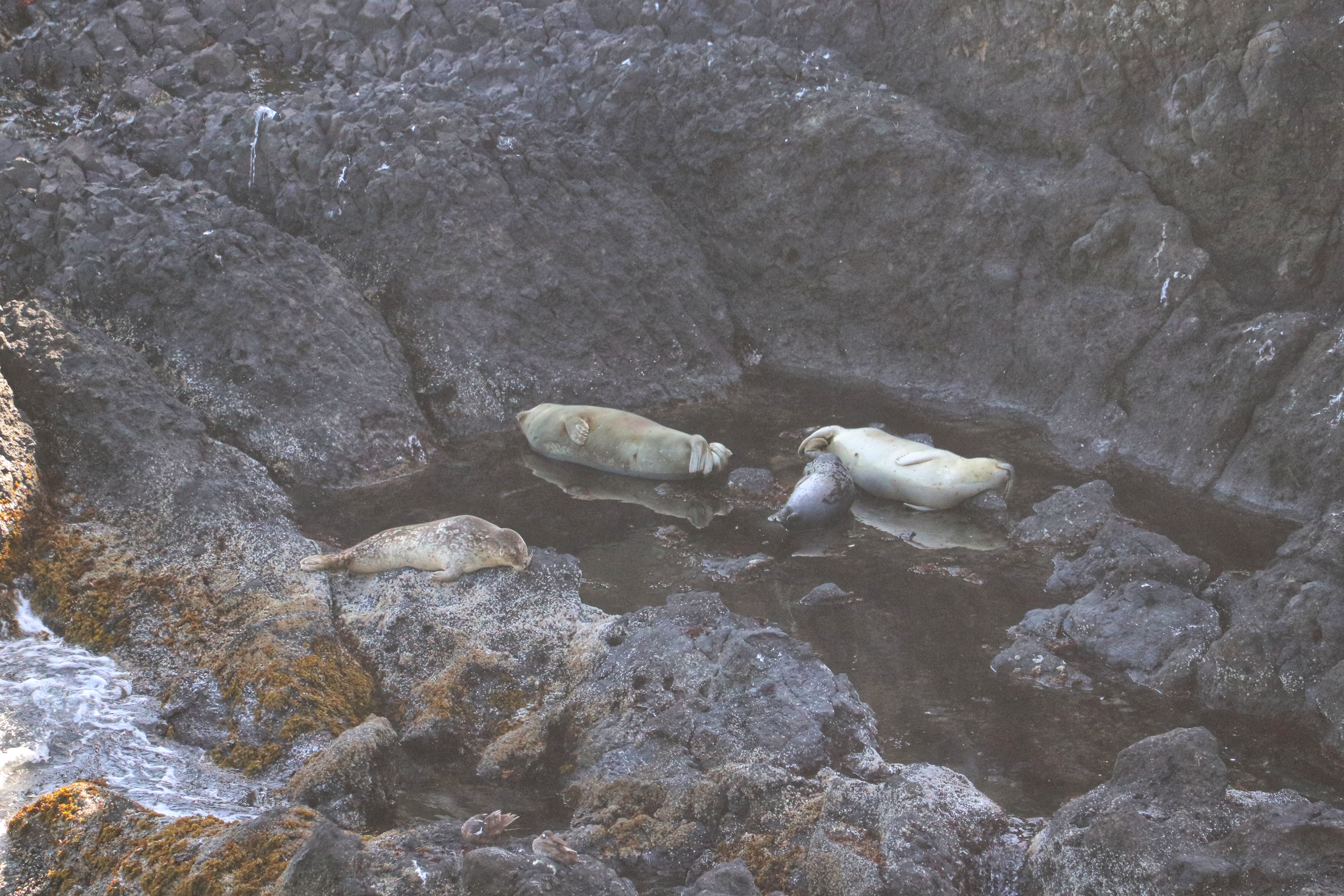
Perhaps the most worthwhile thing about our visit was the sheer amount of wildlife we got to witness. It wasn’t just the birds nesting on the rocky promontories all around. There were easily a dozen harbor seals playing in the surf, sunning themselves on the lower rocks, and even one mother nursing a pup…as you’ll see in the photos below.

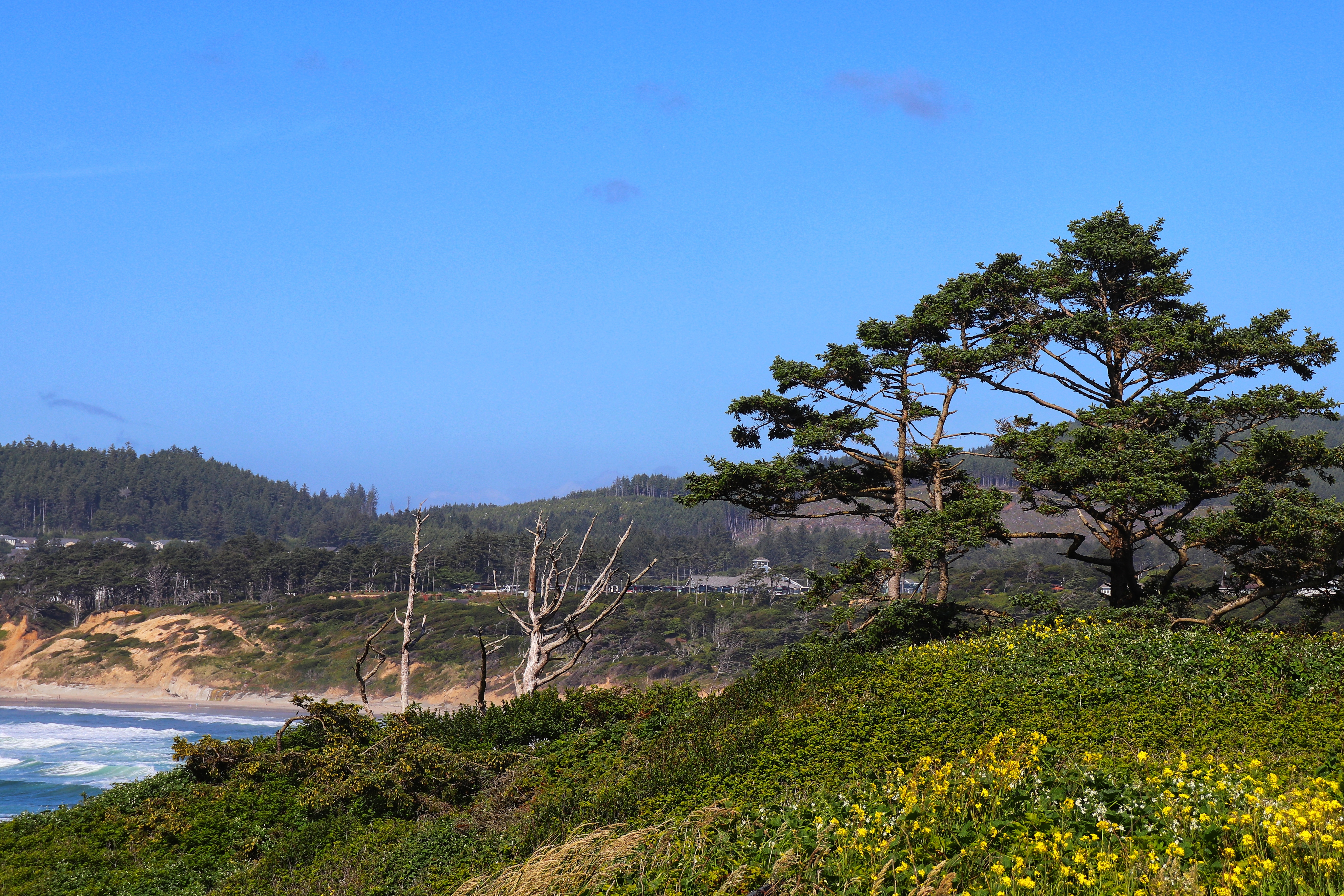
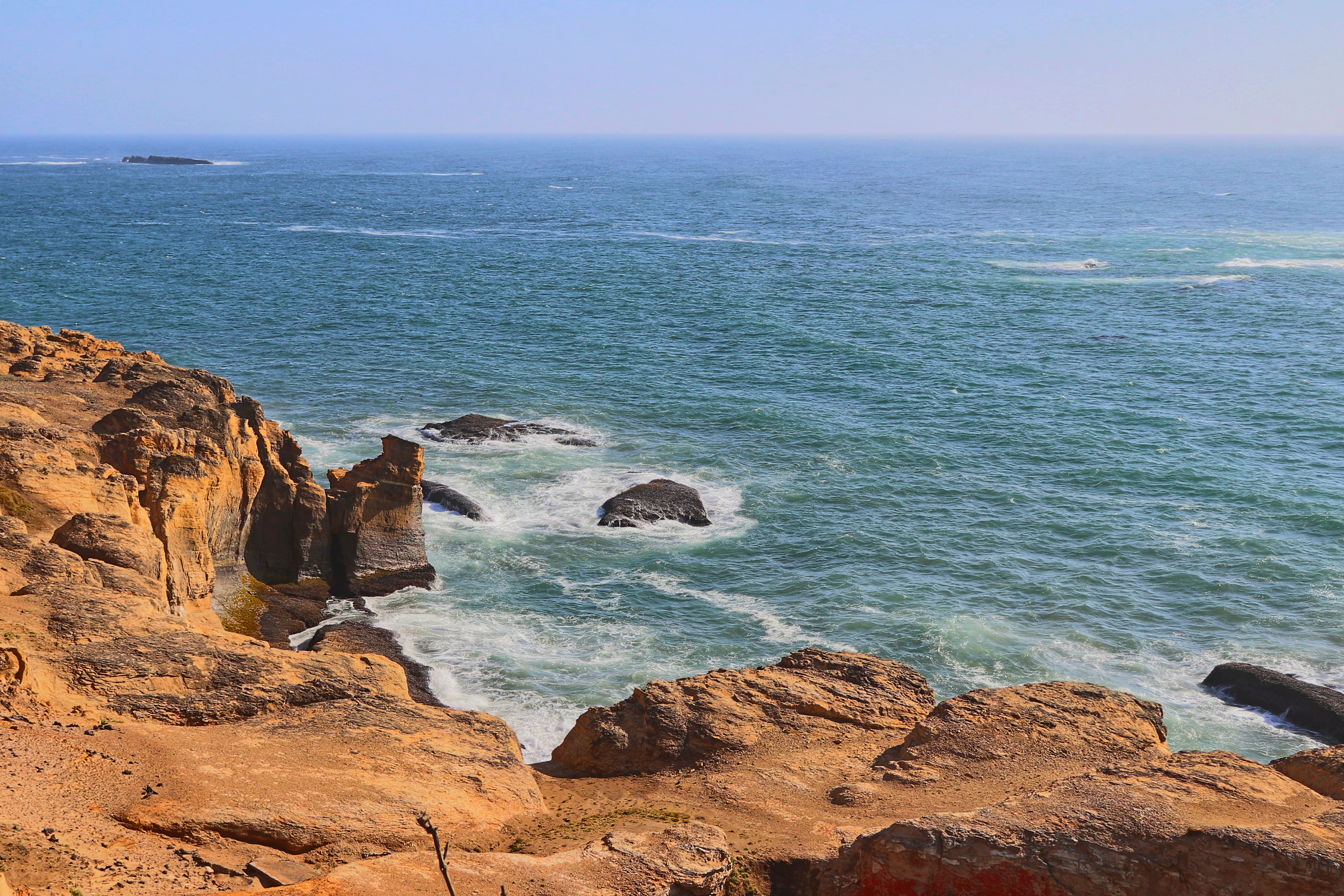
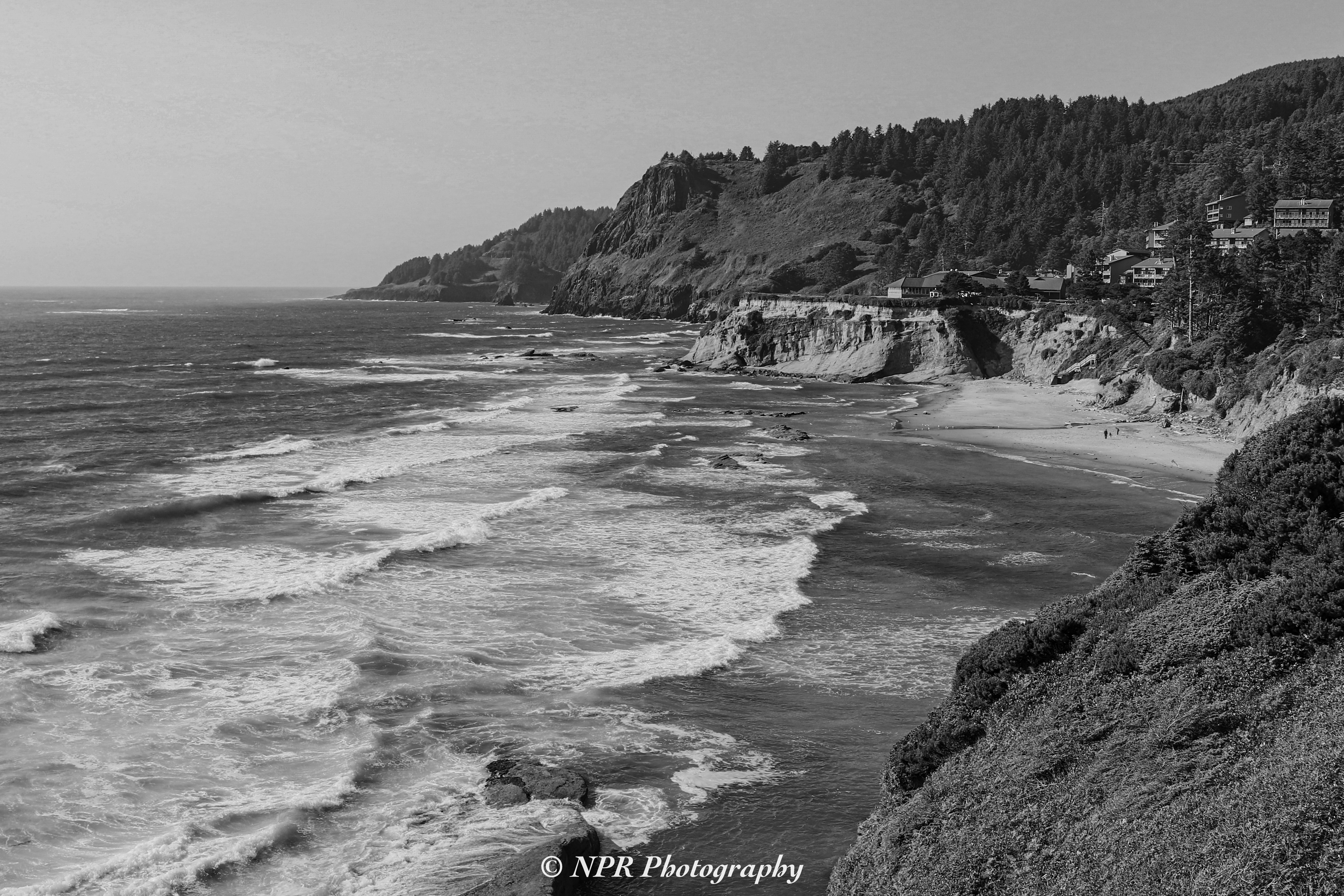
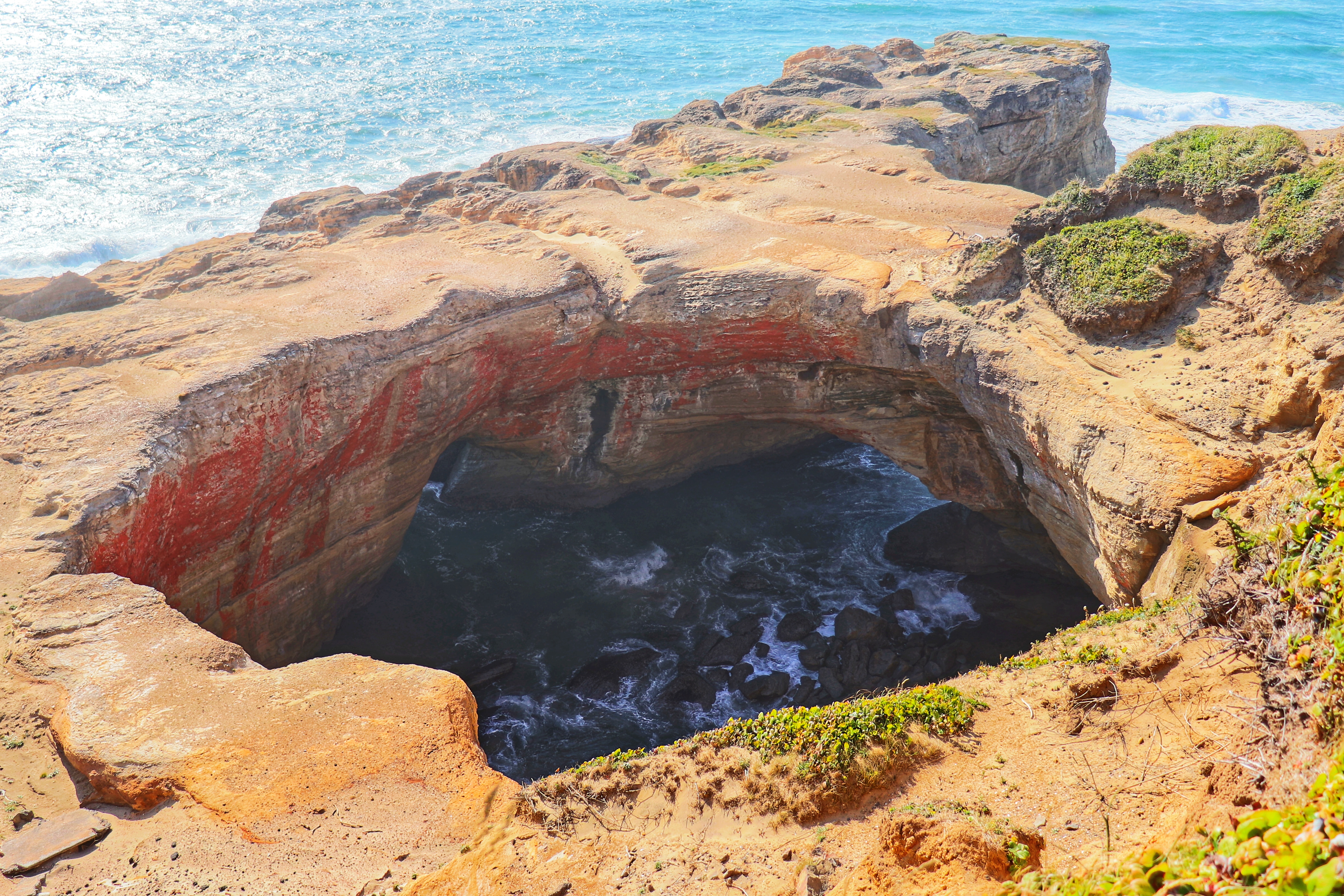
We continued North along the highway and arrived at Devil’s Punchbowl State Natural Area at 5:30 PM. I’d been here previously, in both 2014 and 2017, and it never disappoints. The landscape and features of this section of the Oregon coast are always so lovely, and the wide, unobstructed views of the Pacific Ocean are exceptional. Photos from that stop are below.

Continuing North, our final stop for the day was the Tillamook Creamery just after 7 PM. When we’d been there in June of 2017, the facility had been undergoing major renovations, though we’d still been able to enjoy a surprisingly great dinner there at that time.

Upgrades complete, the creamery was even better. A full dining area awaited us inside and the food was perhaps even better than it had been during our visit two years before. After dinner, we treated ourselves to ice cream at the separate ice cream bar. The abundance of flavors made picking anything an almost painful experience, especially knowing just how good any of those flavors were likely to be. None of us had anything to complain about, unless it was that we couldn’t try all of the flavors available.
We enjoyed a self-guided tour of the building, complete with samples of various cheeses on sale…but it was getting late and we had the long drive back to Portland still ahead of us.

Full stomachs and full hearts from a day of beautiful scenery and fun, we began the drive East, taking the Wilson River Highway through the Tillamook State Forest. The surrounding scenery was no less lovely than it had been when we’d taken this same drive two years before and the daylight remained with us until we’d reached Highway 26. The angle of the light as the sun approached the end of its apparent arc through the sky deepened the forest shadows and made it feel like we were surrounded by an endless sea of diverse shades of green.

It was after 10 PM when we returned to our hotel and settled in for the night.

Wandering Portland

Thursday, June 20th of 2019, was spent entirely in Portland, Oregon. It was time to take a break from long drives for a day. We’d traveled 474 miles on Wednesday, 324 miles on Tuesday, 241 miles on Monday, and a whopping 713 miles on Sunday. Of course, that was combined driving and walking, but only a small portion of that was spent walking…I was, as you can imagine, ready to spend a bit less time behind the wheel.

Besides, we had a great way to get the day started and a surprise for my daughter that evening.

Our first stop was The Waffle Window in Northeast Portland (that location no longer appears to be open). At 8:30 AM, nothing could have hit the spot quite the way that waffle did, the one I’d purchased no longer appears to be on the menu at the current Waffle Window locations, but it included strawberry and a cream made using rose hips. I believe it was the Rose City waffle, which may be available only at certain times of year. It was amazing.

After an excellent breakfast, we headed West toward Washington Park and the Oregon Zoo. We had a schedule to keep.

I’d spent a few hundred dollars a couple of months before, in preparation for this vacation, to experience something we simply had to experience for ourselves.

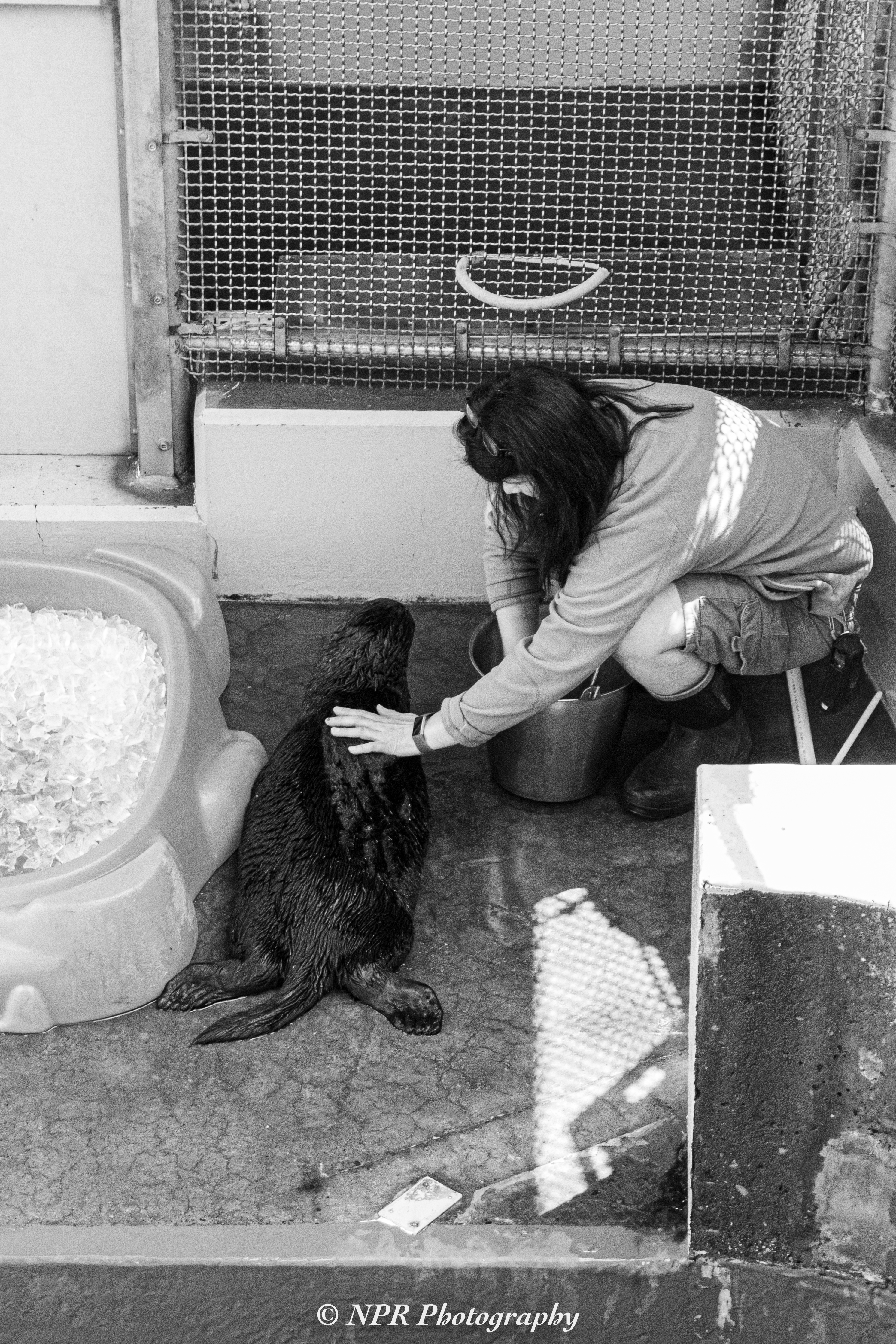
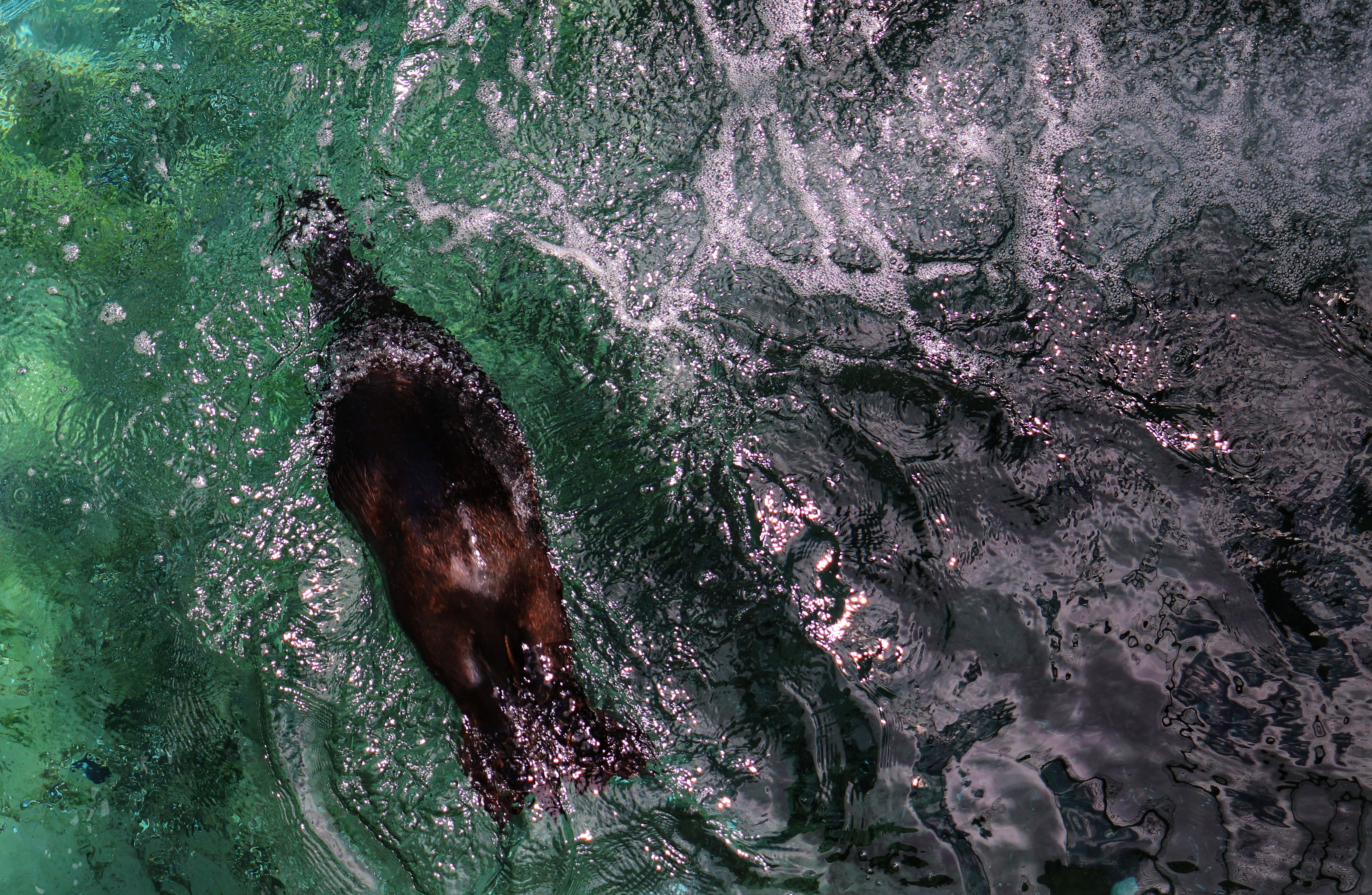
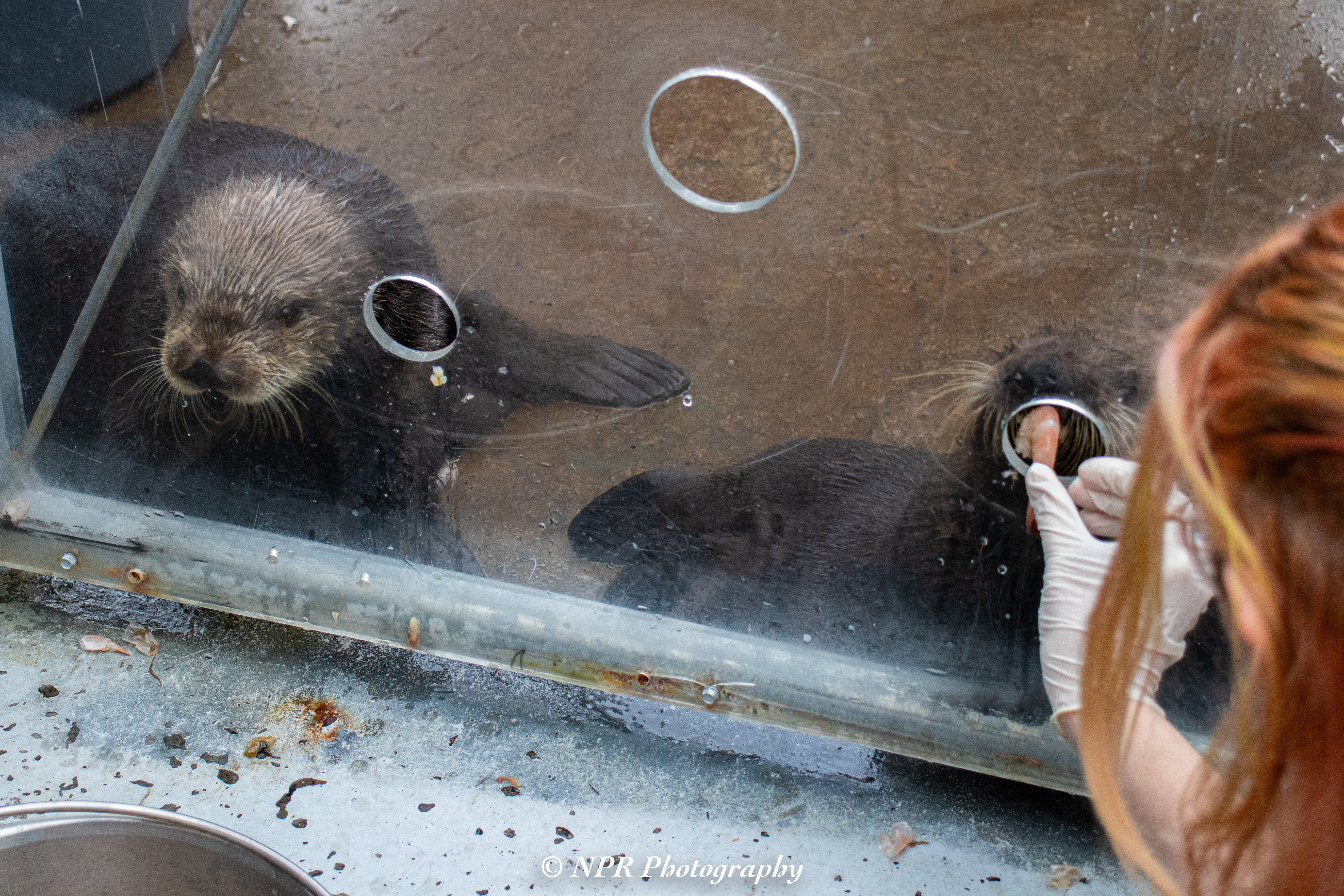
We received more than my money’s worth with the sea otter experience at the Oregon Zoo. I’d known we would be able to spend time behind the scenes, seeing the otters in their enclosure rather than through the usual viewing location. We got to watch as Lincoln was given treats and samples were taken from him. I expected that to be about as close as we’d get. Instead, we were given the chance to hand-feed Juno and Sushi for approximately ten to fifteen minutes. We were provided with a bucket filled with diced up bits of fish and other assorted sea life, and we were allowed to spoil them rotten. Photos of the otter experience are above.

After spending a rather long interval at the zoo, we returned to the hotel until a little after 5 PM.

We headed toward downtown Portland and parked in the Chinatown area.

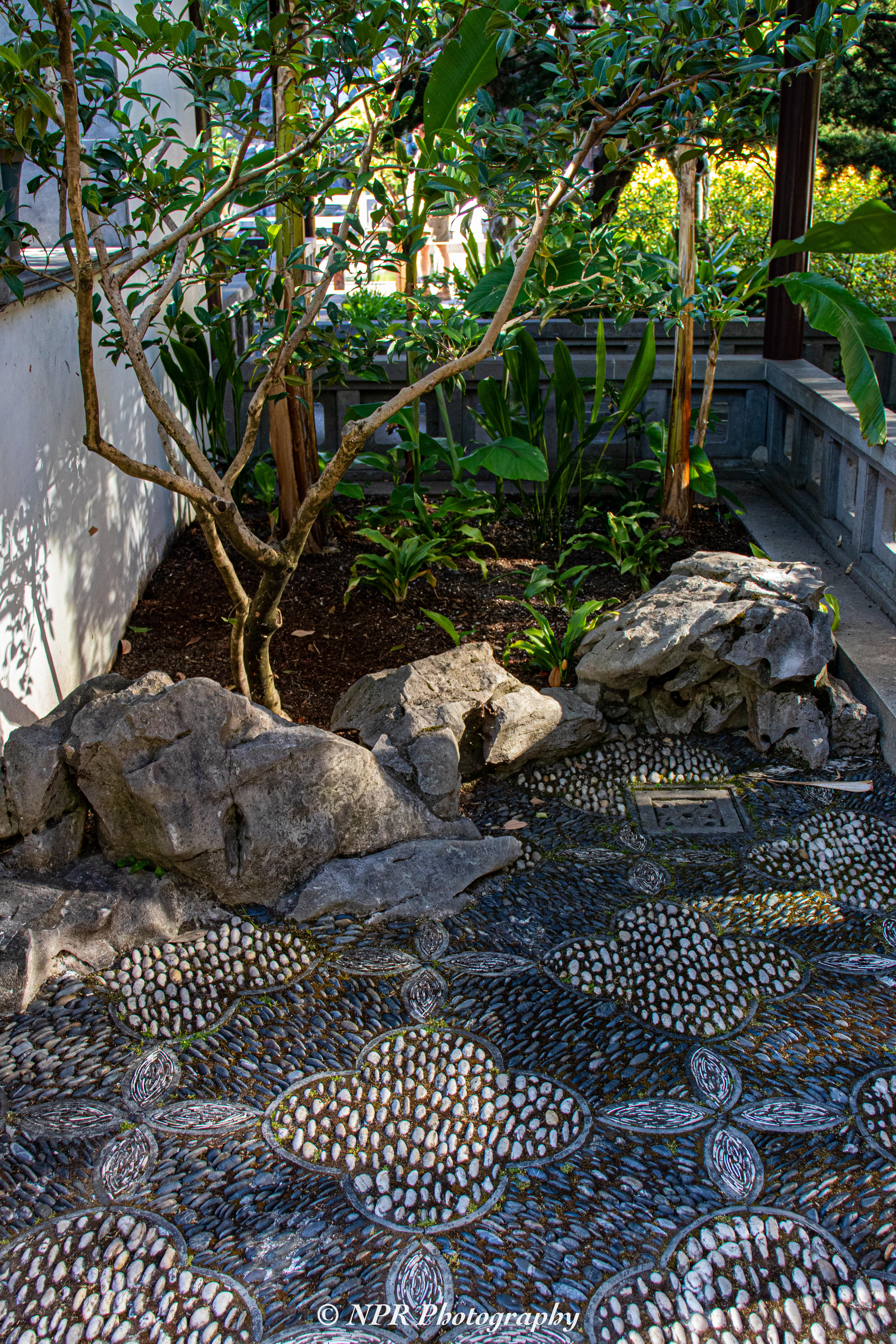
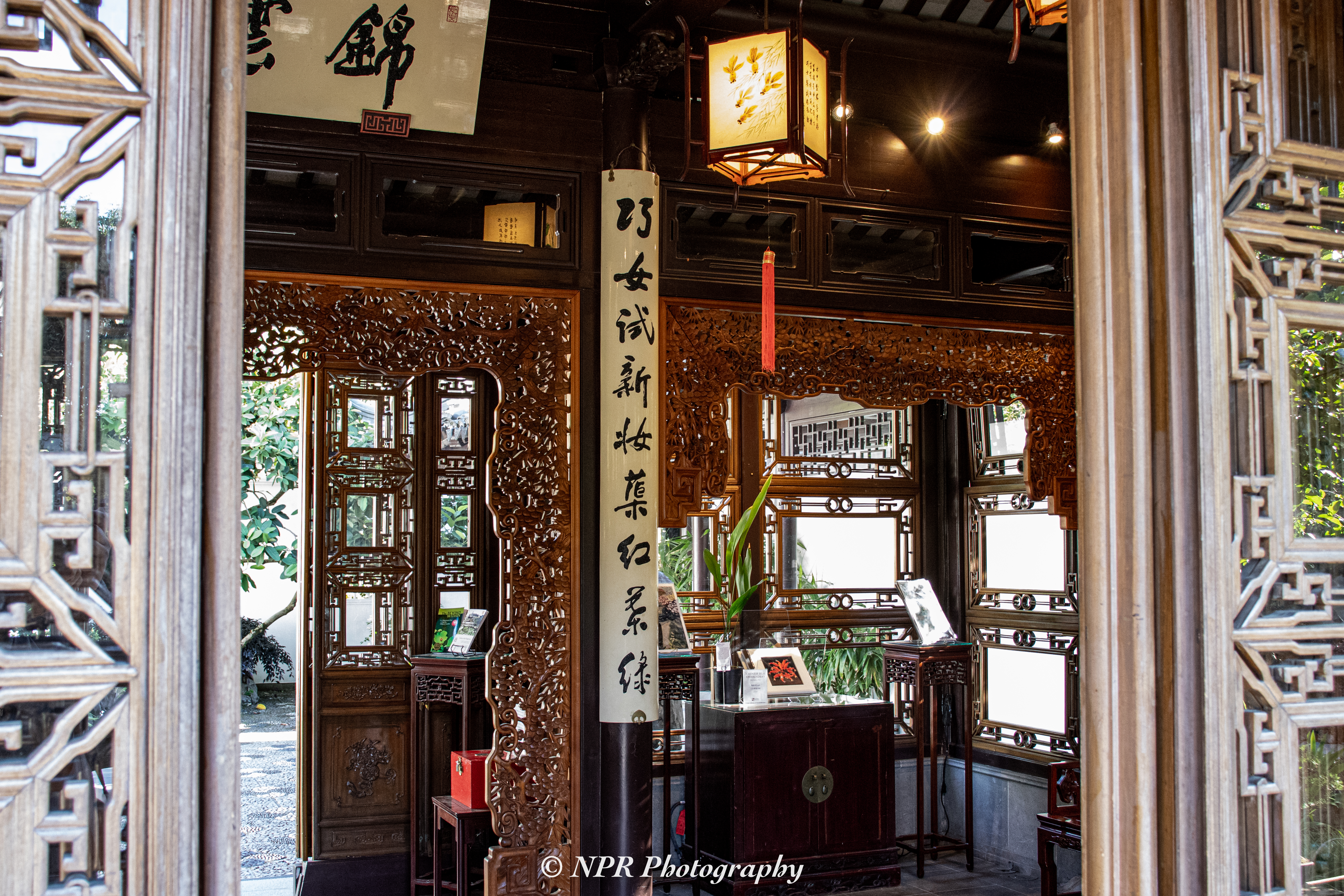
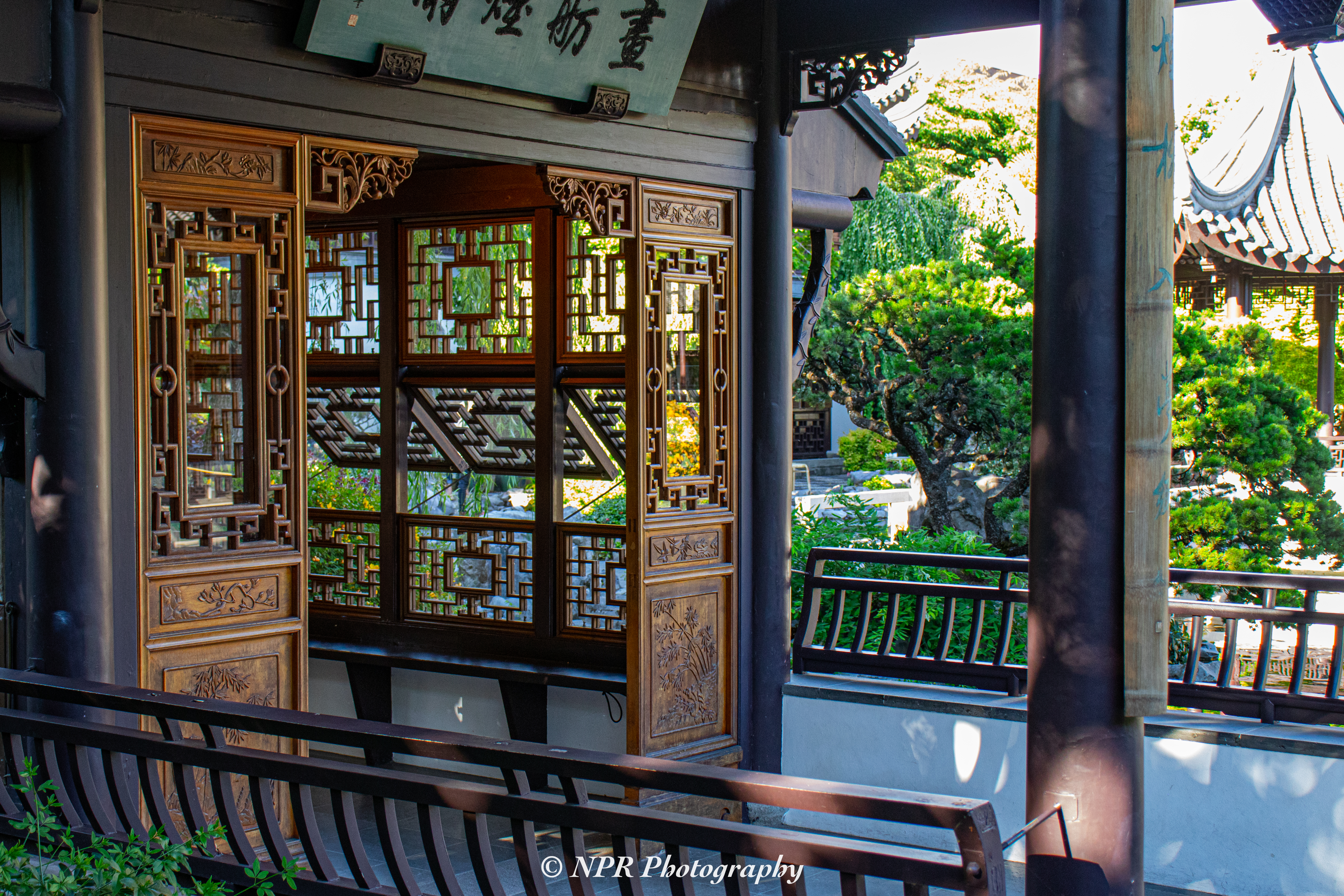
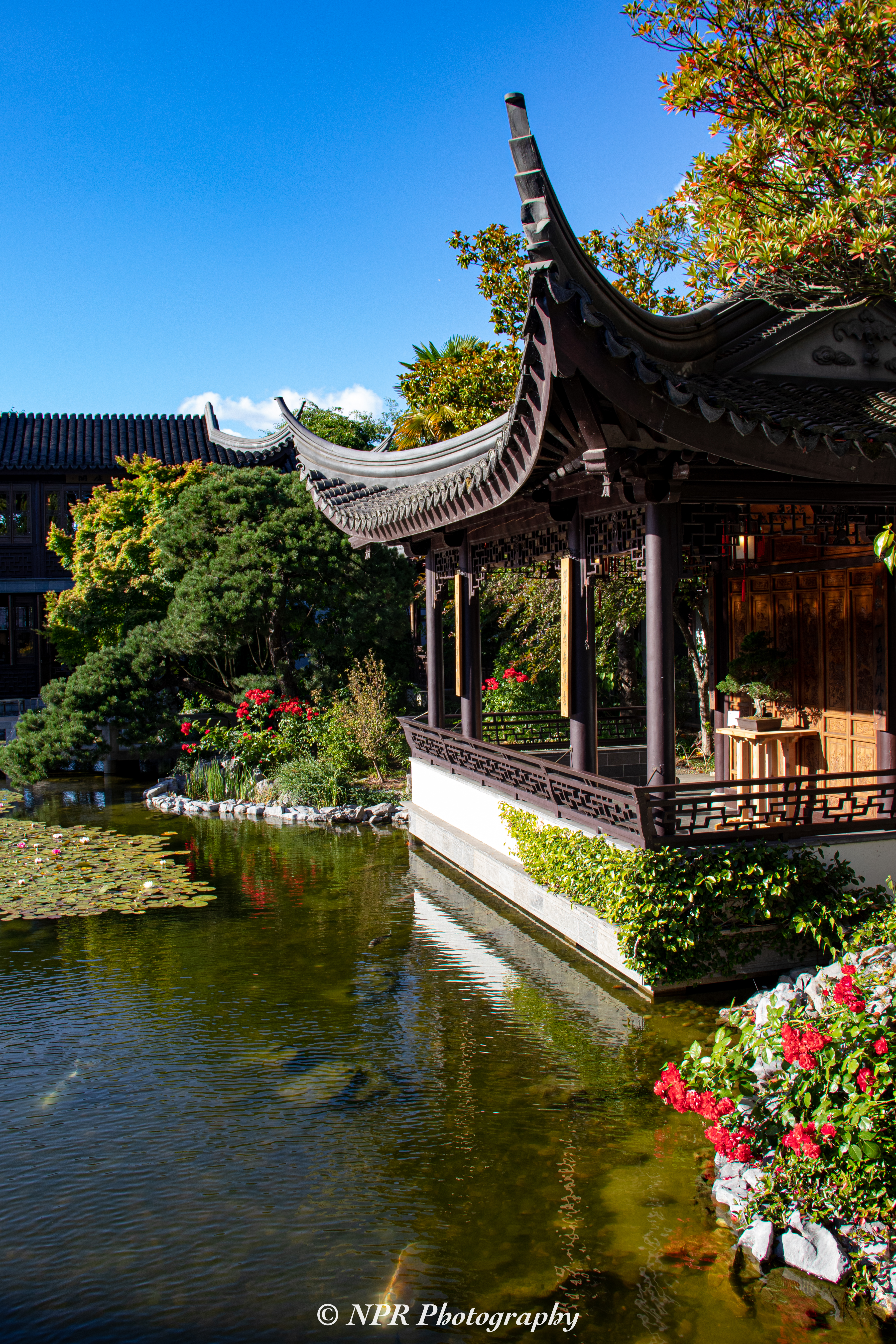
Our next stop was the Lan Su Chinese Garden. A special event was soon to be taking place, and our time was limited, so the hostess offered us discounted passes to enjoy the lovely garden. While I would have loved to spend more time there, especially as the sun approached the horizon, it was incredibly considerate of the hostess to offer us the concession she did. The garden isn’t a large place, but it feels much larger when you’re inside.

You can almost imagine you’re somewhere far away from where you actually are, until you catch glimpses of the towering skyscrapers beyond the walls of the garden itself. Photos of the Lan Su Chinese Garden are below.

From there, we remained on foot. It was time to visit my favorite location in downtown Portland, Powell’s City of Books. It was 6:30PM when we arrived and we didn’t leave there until after 8 PM. There are few stores where I can lose track of time as effectively as within the mighty shelves of Powell’s. As one might reasonably suspect, I spent altogether too much money during that visit…we all did.

We had time to return to the Impala, where we deposited our purchases, before we made our way to the next destination.

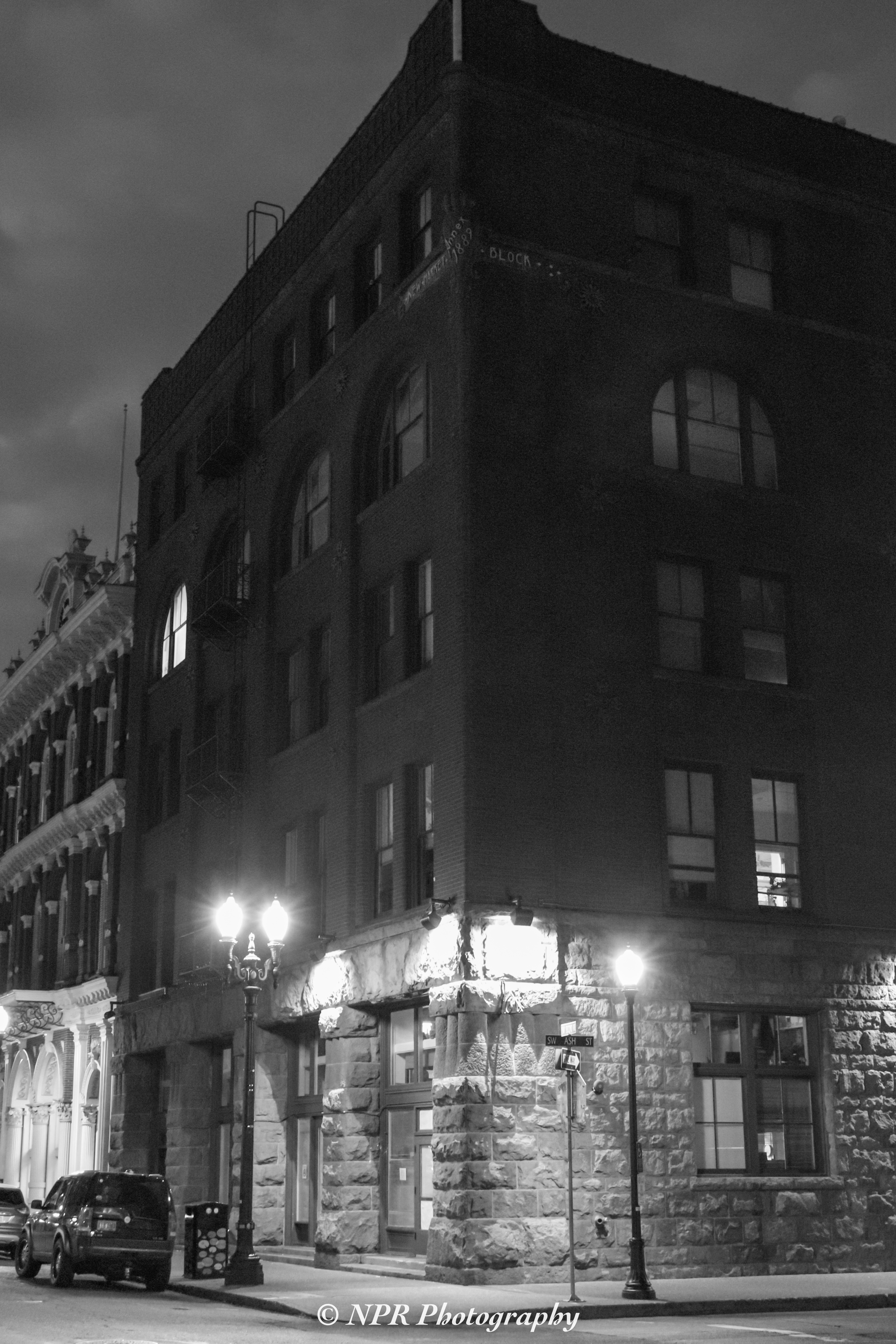
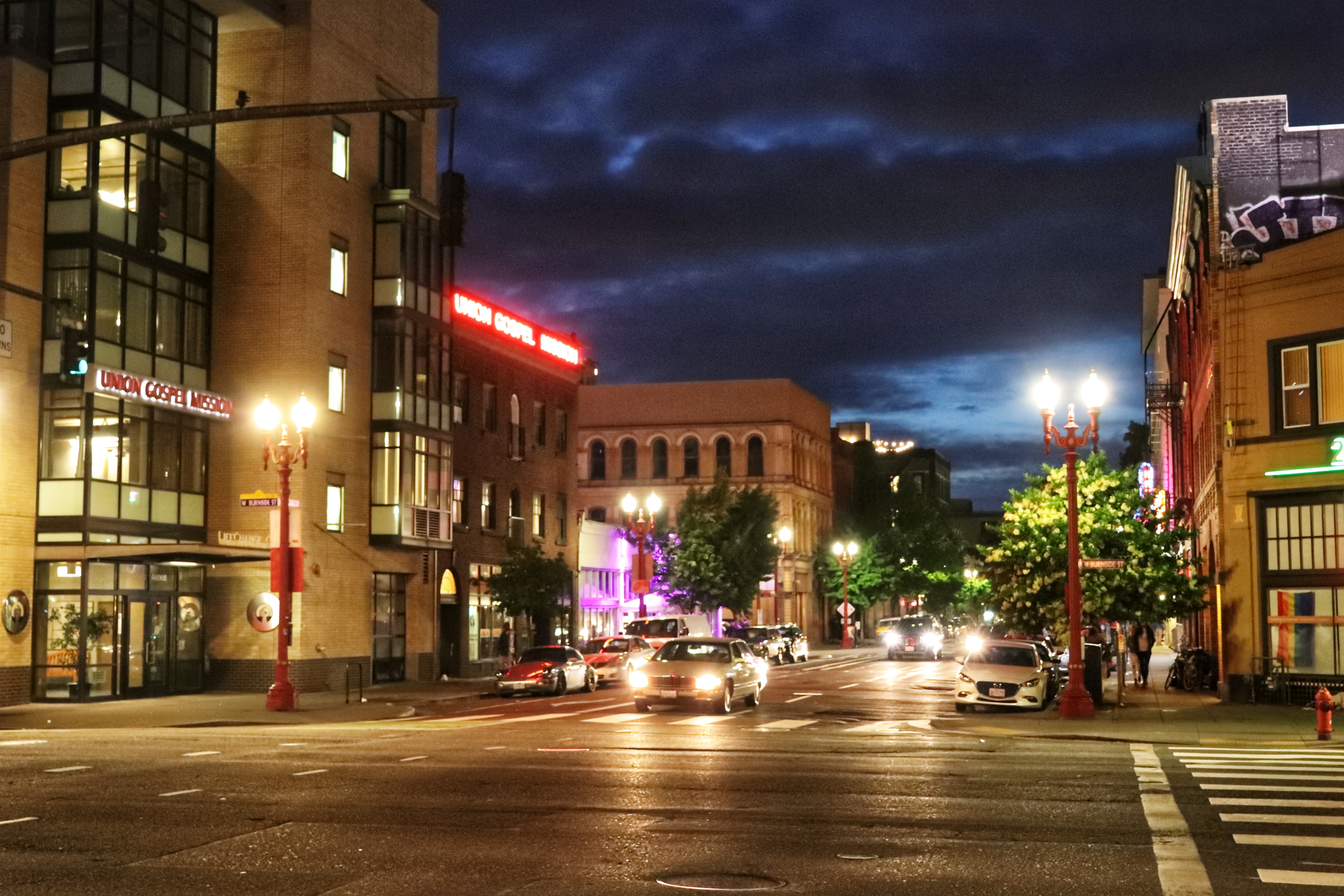
From roughly 8:30 until 10:30 PM, we joined up with Portland Walking Tours for their late night ghost hunting experience. Naturally, there were no ghosts, but there was a lot of local history (mingled with a fair bit of mythology, I’m sure) and a fun experience to be had.

The first hour and a half of the tour involved wandering through a substantial chunk of downtown Portland. It was thoroughly enjoyable, less because I believe in ghosts than for the enthusiasm of the tour guide in his detailed assortment of tales and trivia items.

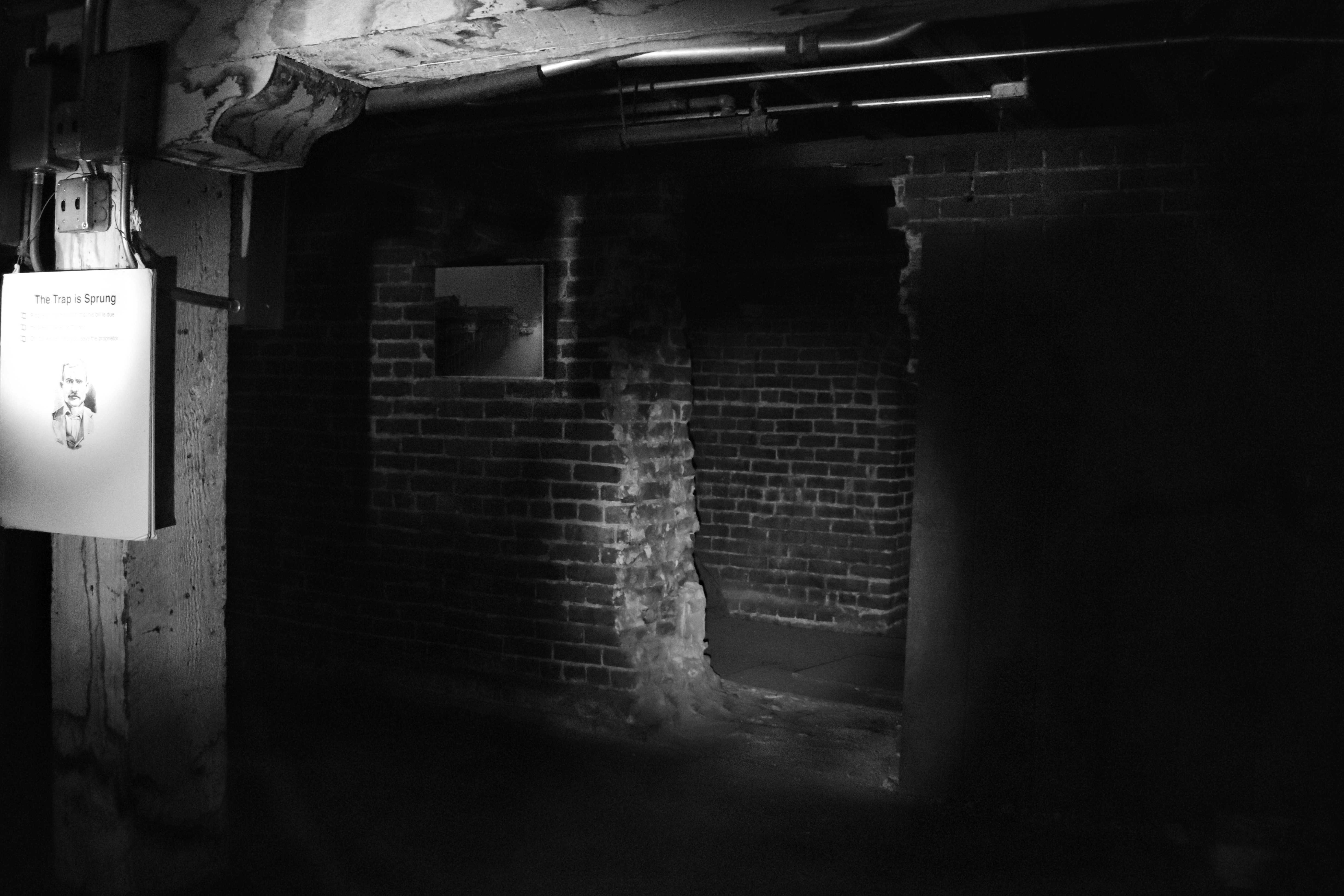
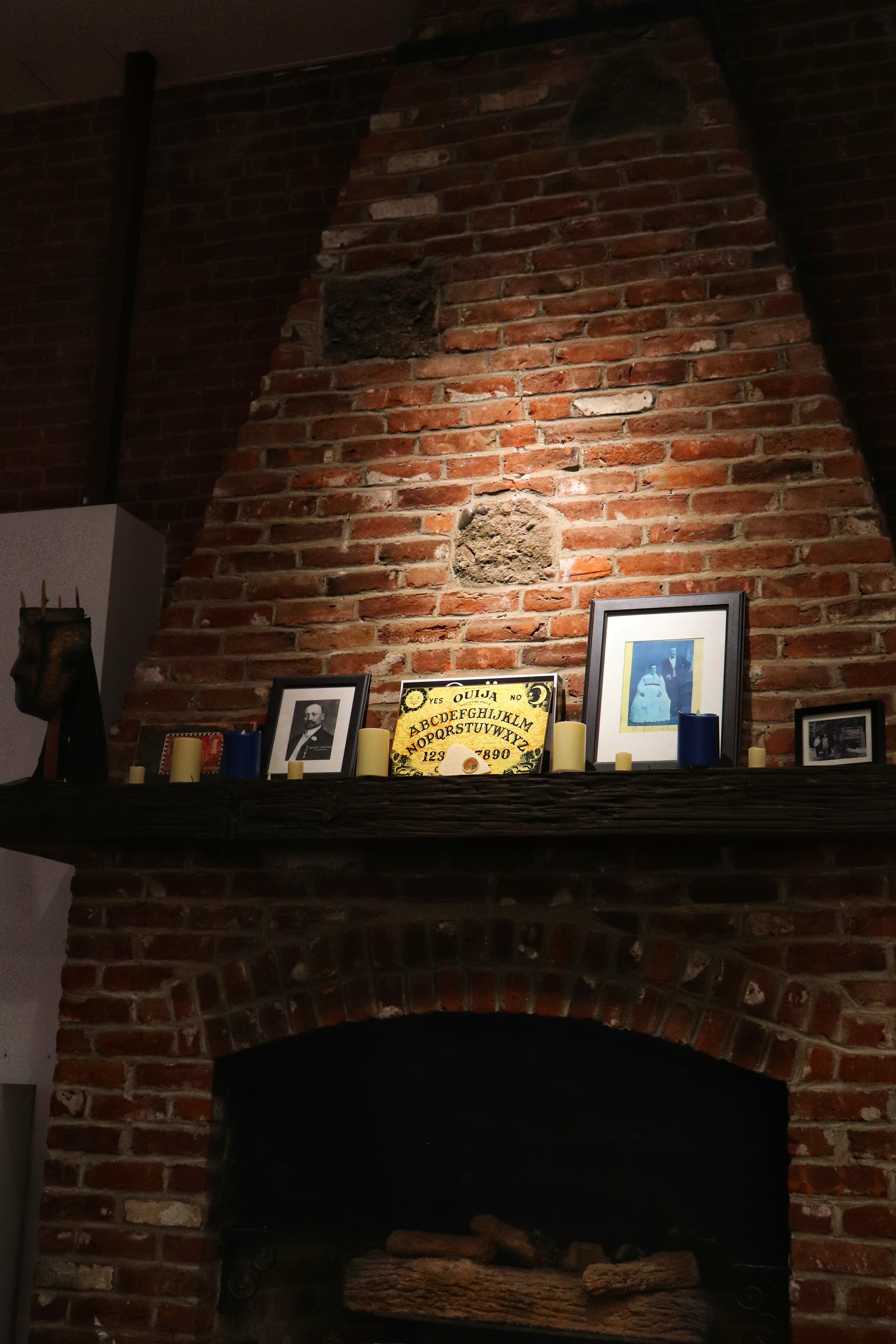
We returned to the starting point of the walking tour and made our way into the basement of the building, with only flashlights to provide us with illumination. Connecting, as it supposedly did, to the old tunnels beneath the city, there were tales aplenty that accompanied our descent into the dark underground. Of course, we did not summon a ghost nor did we witness any sort of evidence that there might be a ghost down there, but the atmosphere was quite excellent.

It was almost Midnight when we finally settled in at our hotel, after ordering takeout from a reasonably nice diner located near PDX and the Columbia River, Shari’s Cafe and Pies.

The Painted Hills and Columbia River Gorge

It was shortly after 7:30 AM on Wednesday, June 19th of 2019, when we began our journey Southeast from Portland, OR. The drive toward central Oregon is beautiful in a wholly different way from the beauty of the region West of the Cascades. You emerge from the Cascade mountain range and arrive at a wide, flat plain as you follow the path of Highway 26. Gazing toward the horizon, you can see the most prominent snowcapped peaks of the Cascade Mountains stretching along their North/South axis.

A relatively short while later, you pass through a smaller set of mountains and hills, quite reminiscent of the Black Hills here in South Dakota, as you’re cutting along the Western edge of the Ochoco National Forest. From there, our destination isn’t far.

Shortly before Mitchell, OR we take a left on Bridge Creek Road. We’d previously visited the Painted Hills in 2017, and we wanted to spend a more substantial interval there this time.

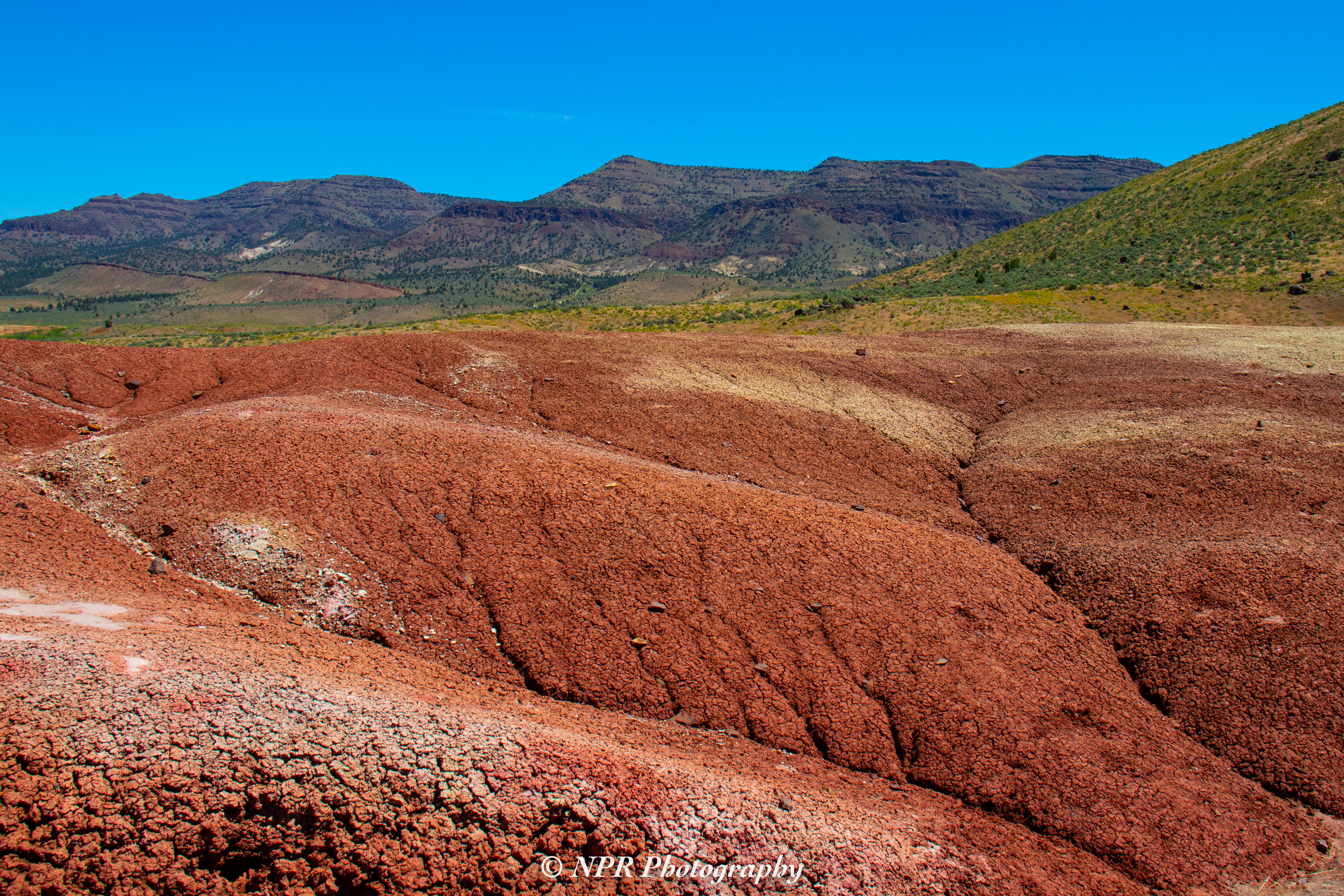
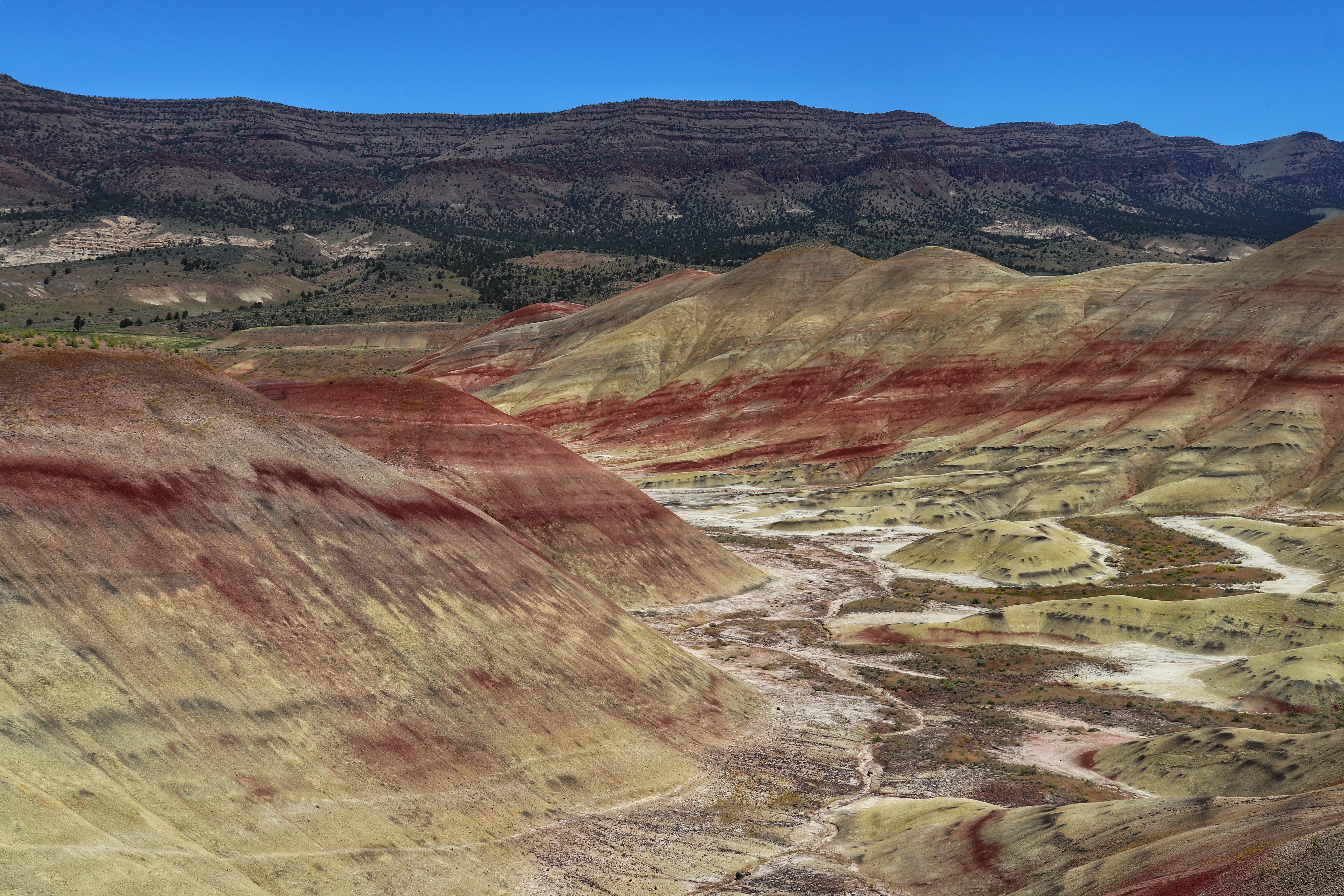
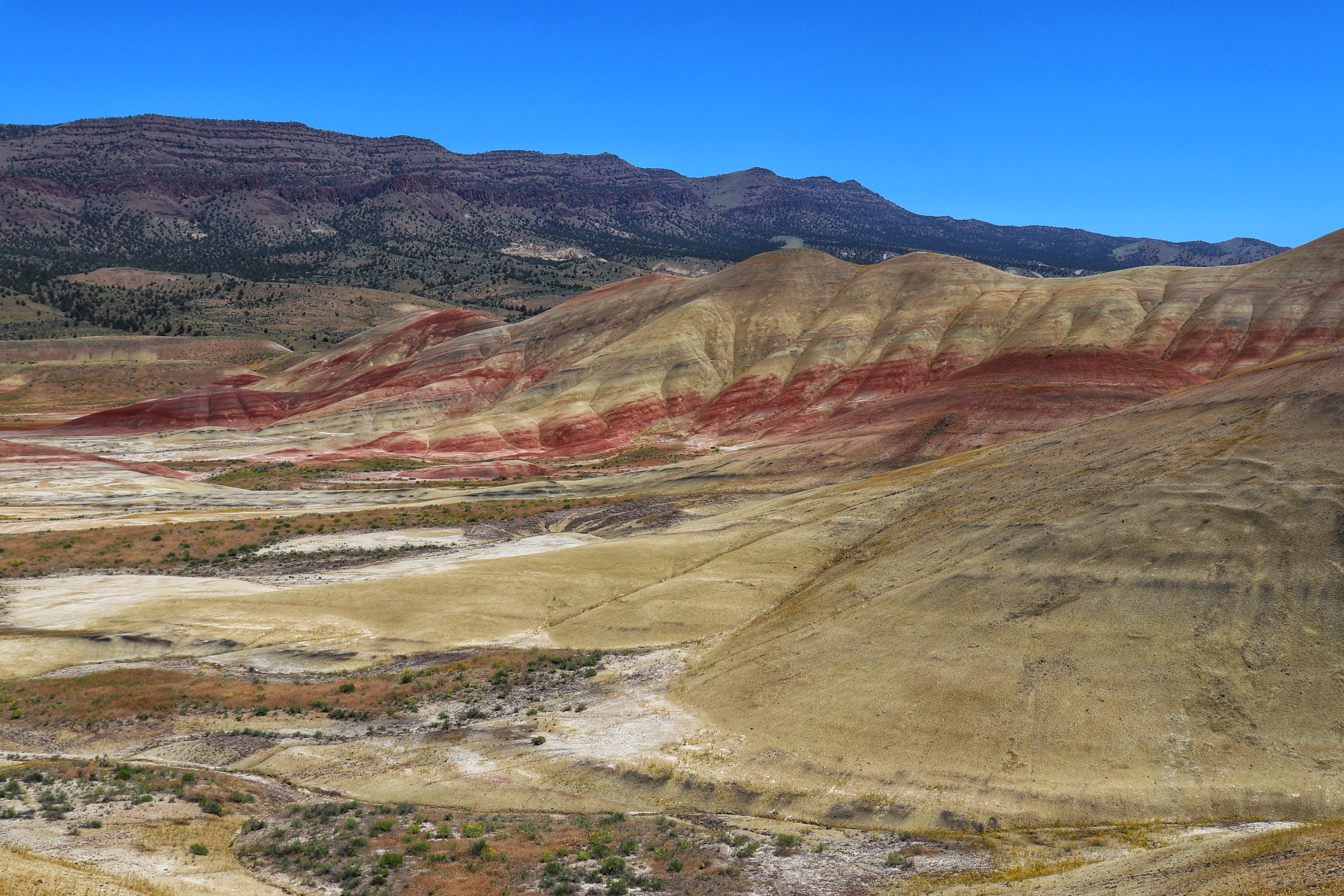
Located in the John Day Fossil Beds National Monument, the Painted Hills are relatively similar to certain features of Badlands National Park.

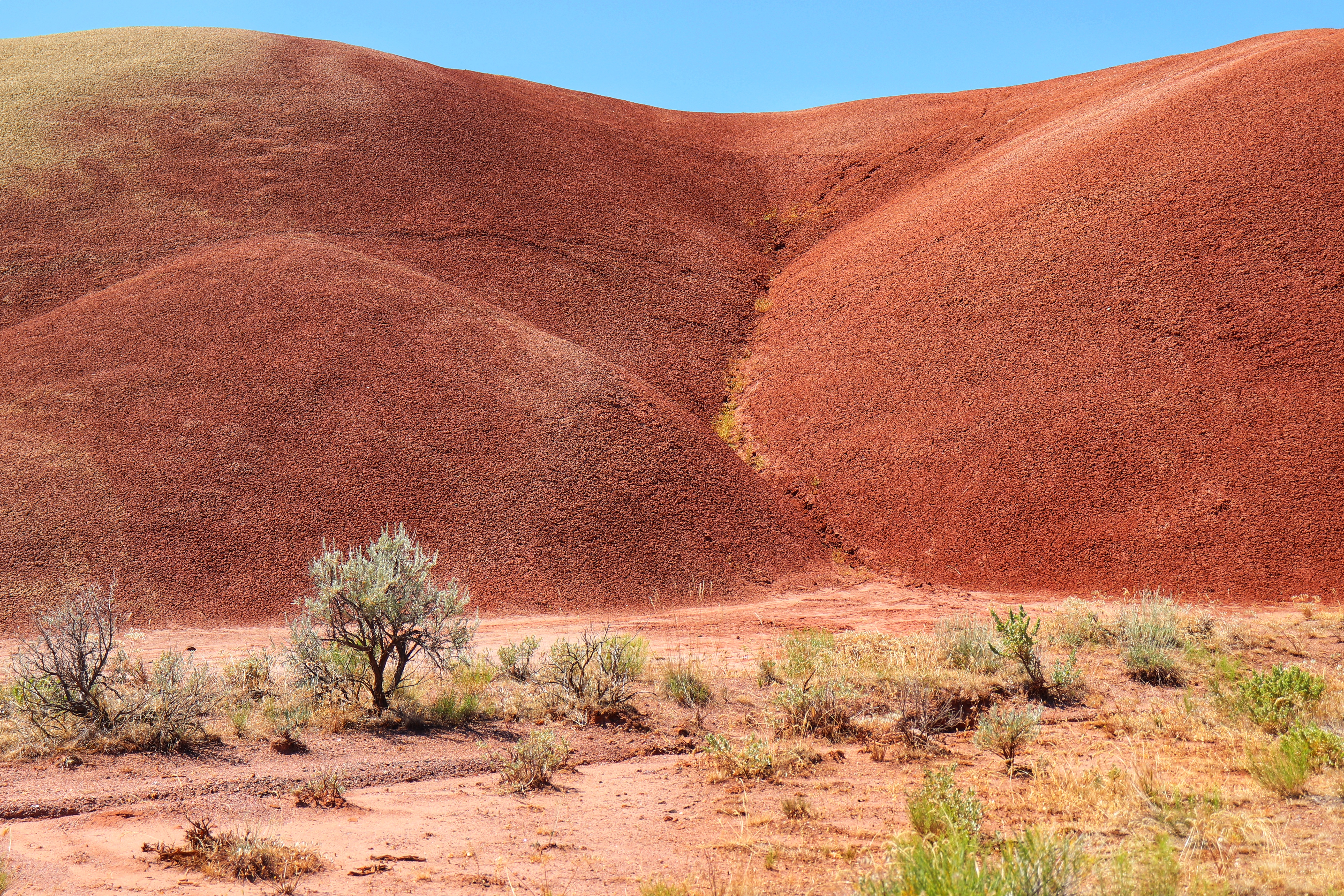
Our first stop is the Painted Cove Trail, a leisurely boardwalk trail circling through and around a series of beautiful, red tinted mounds. This only takes about fifteen to twenty minutes to enjoy, but slowing down to take in the scenery is a must.

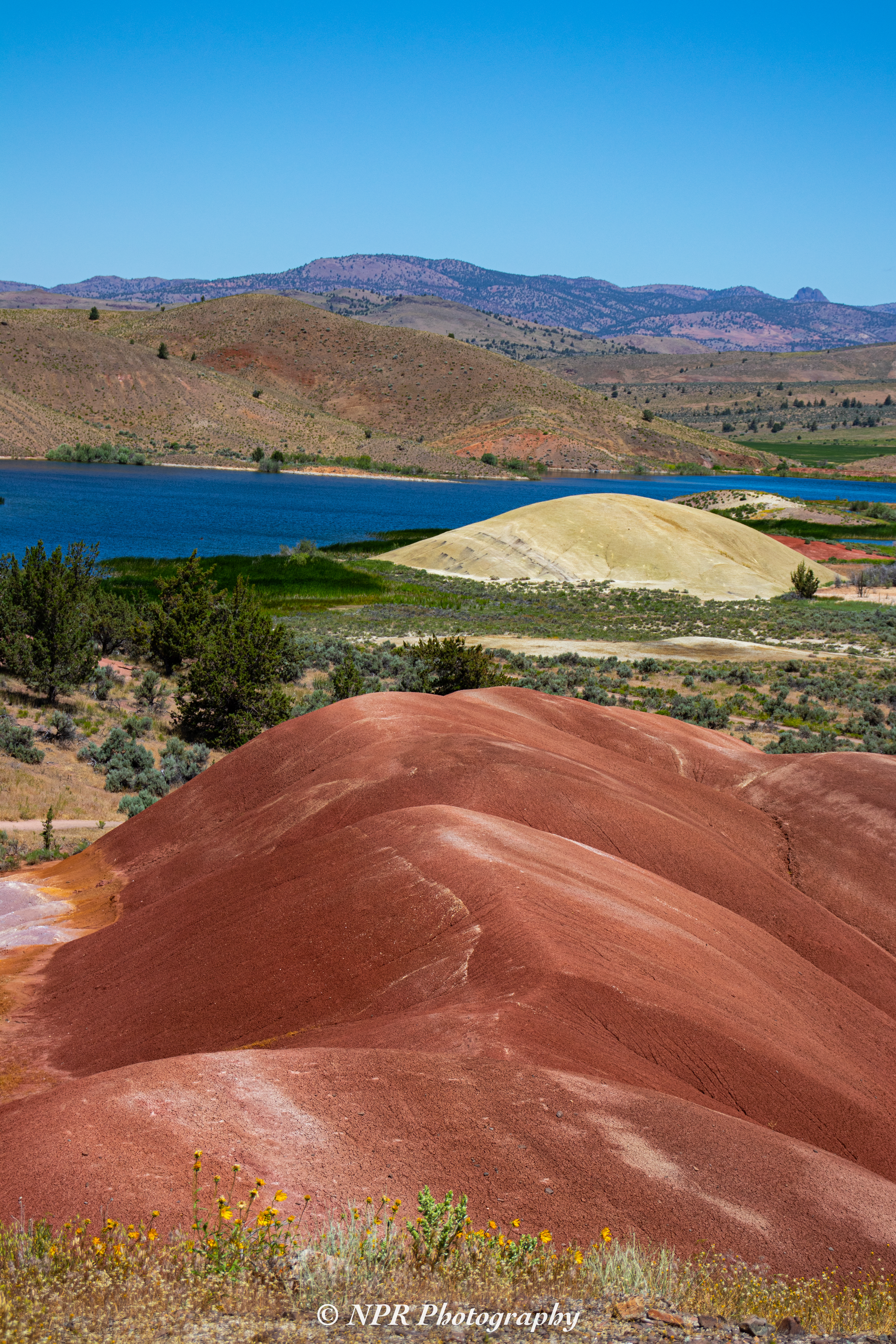
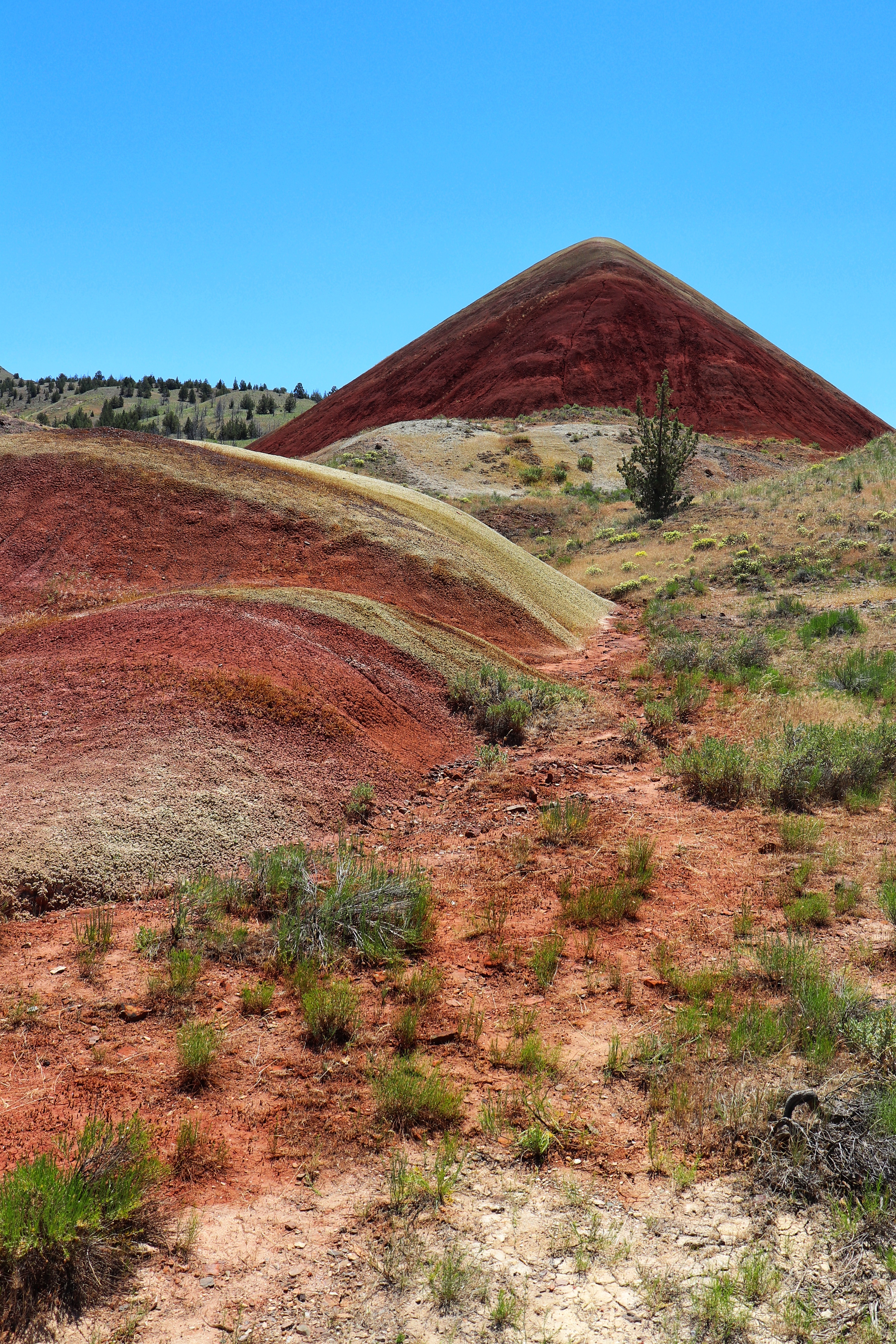
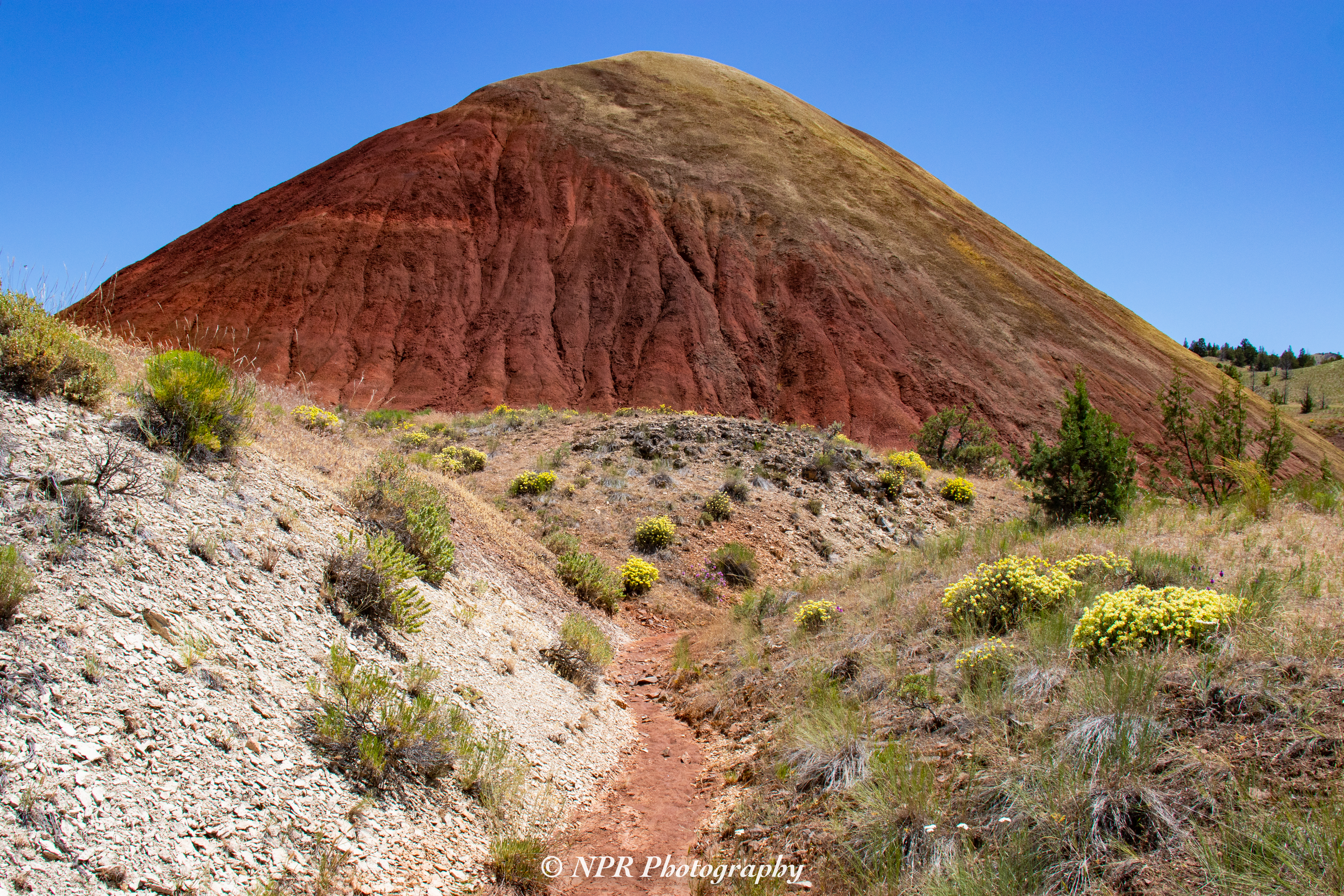
From there it’s only a short drive to reach the Red Hill Trail, nestled further into the park area. The hike to a viewpoint overlooking the region is a gravel and dirt path that doesn’t suffer from poor maintenance.

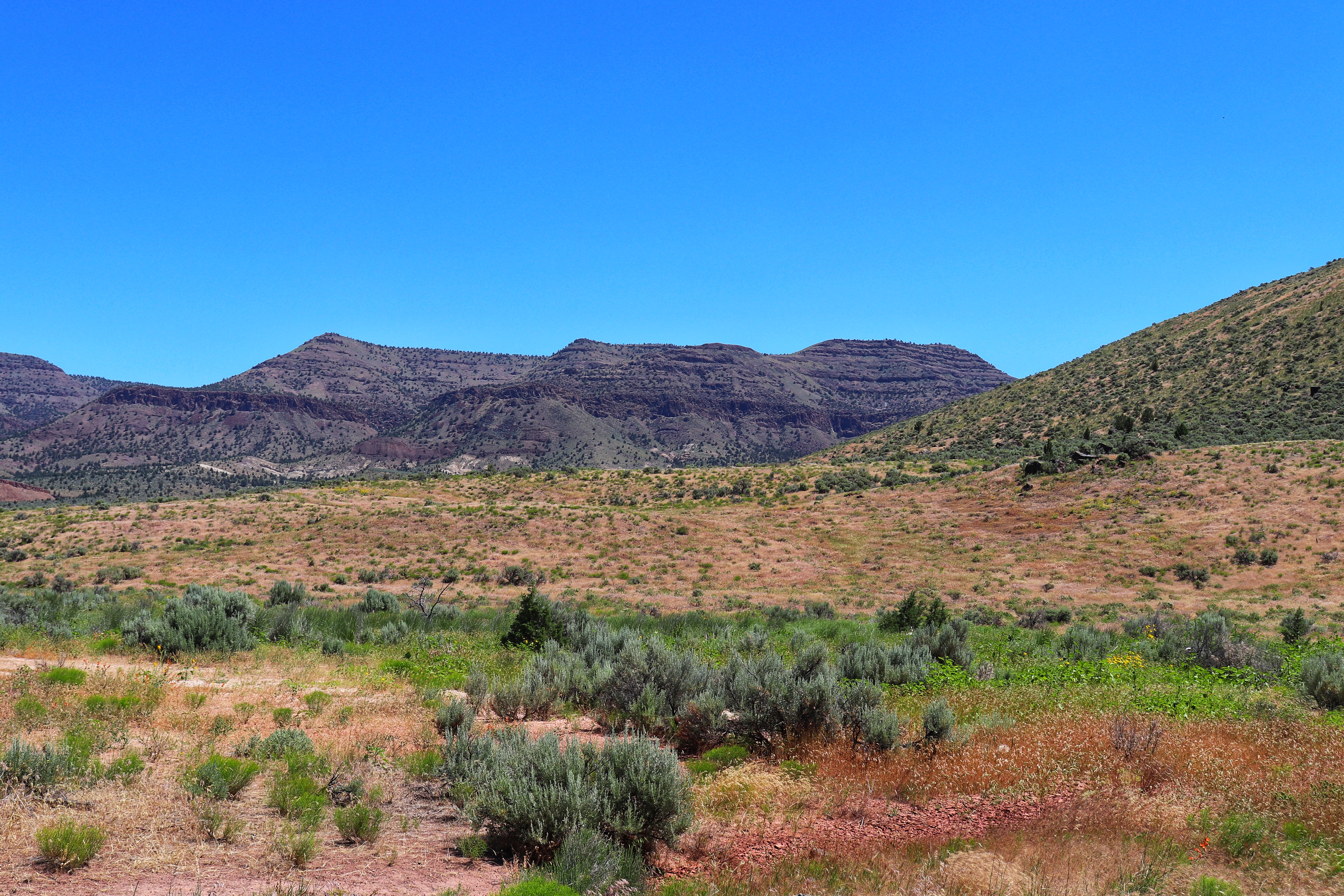
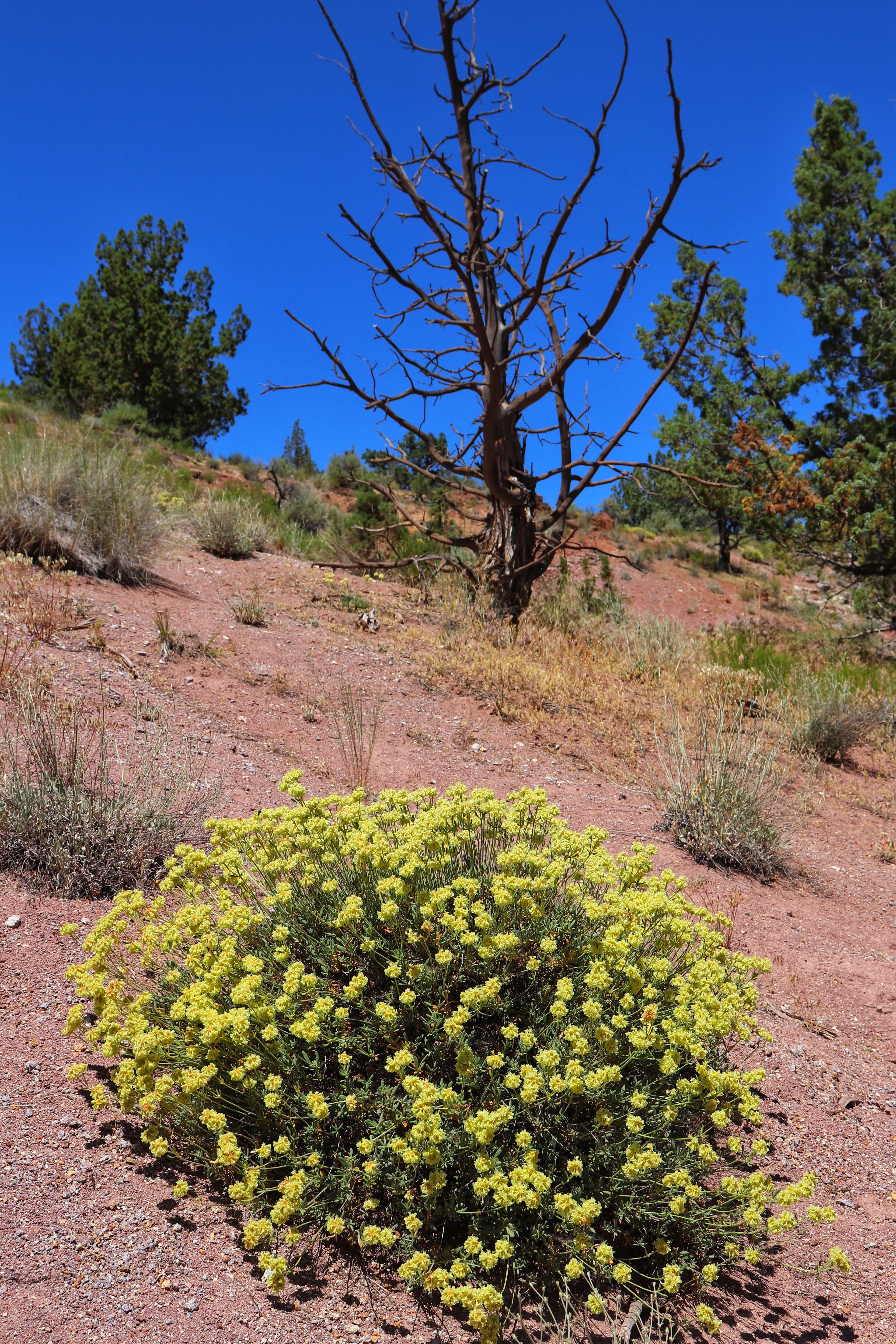
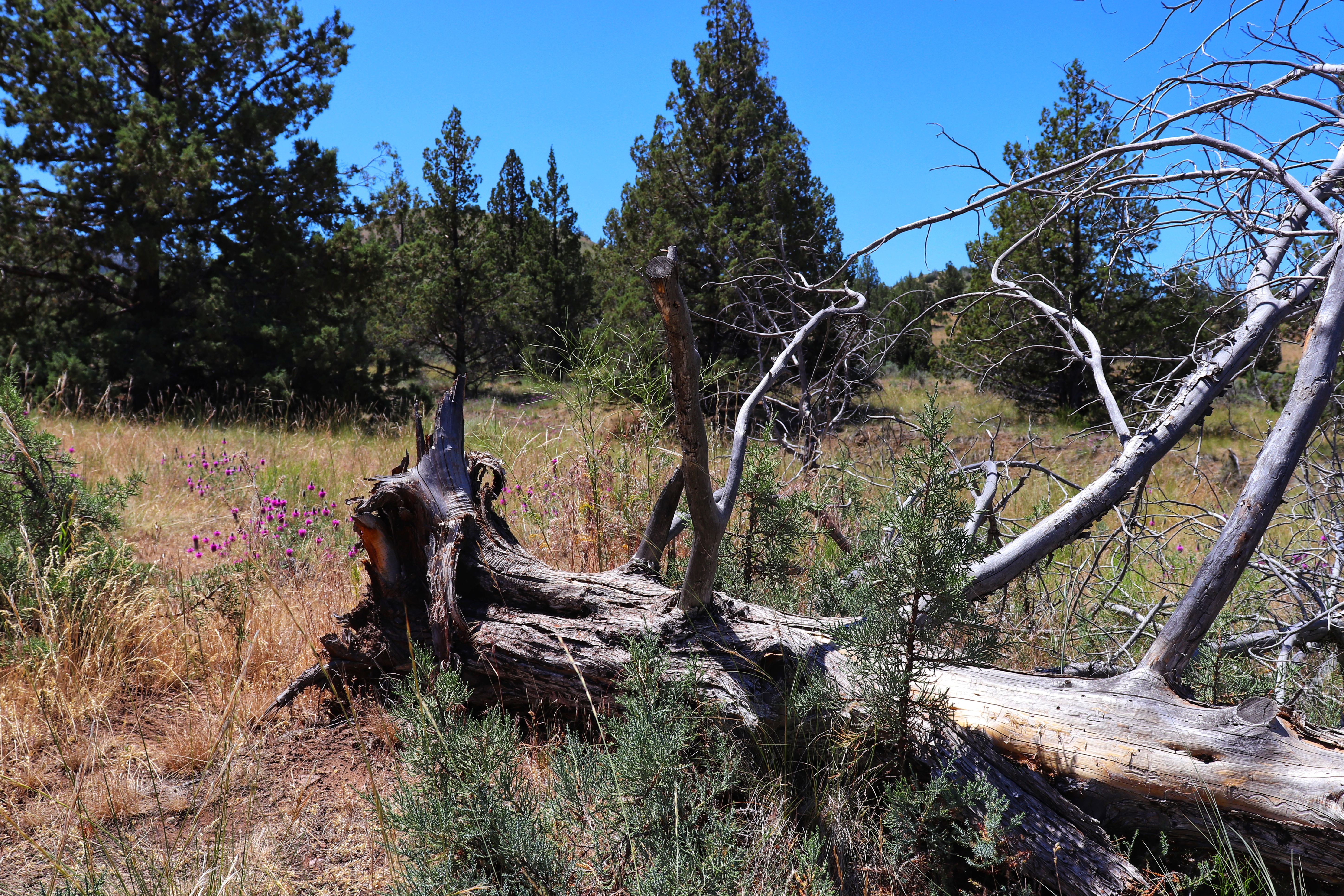
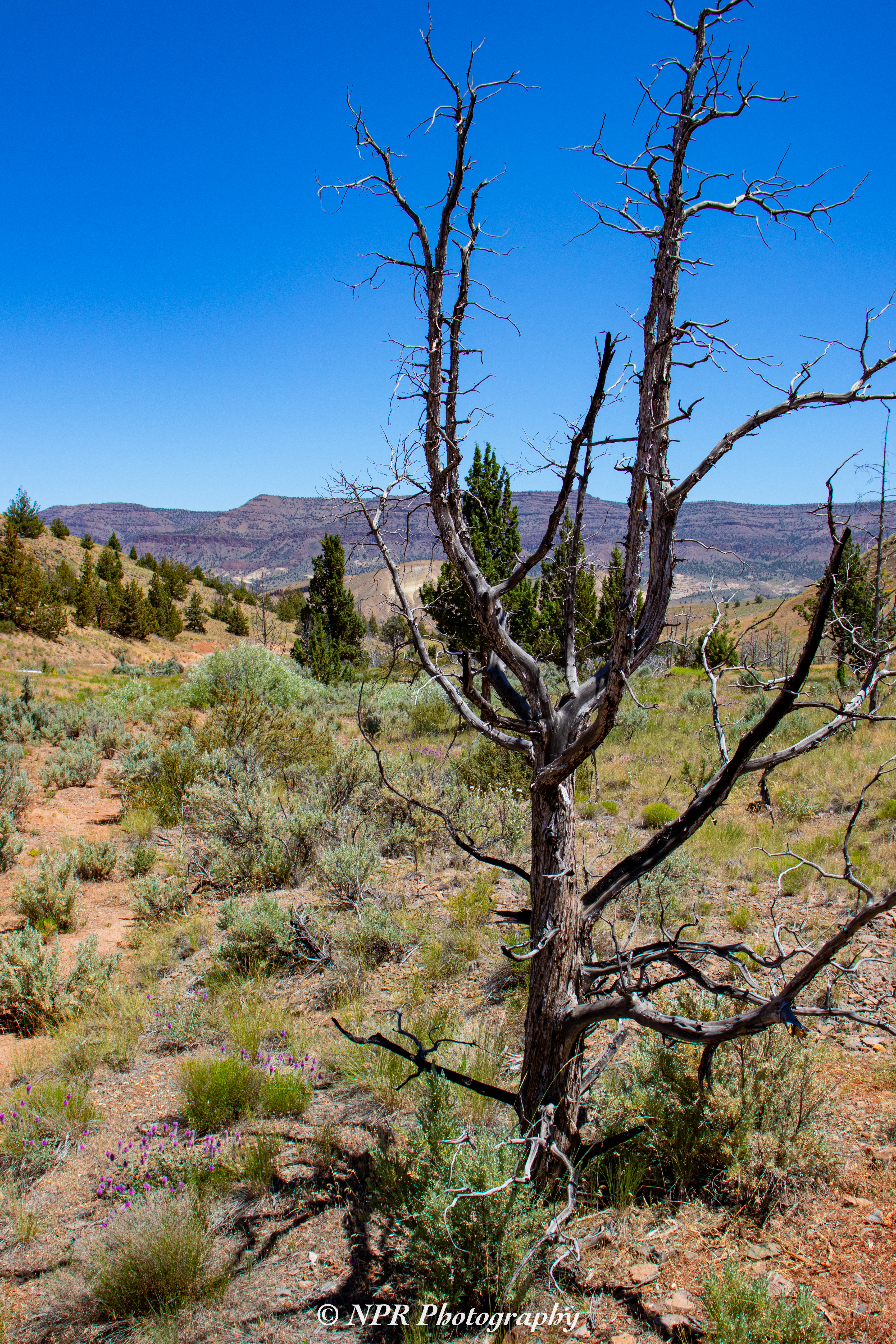
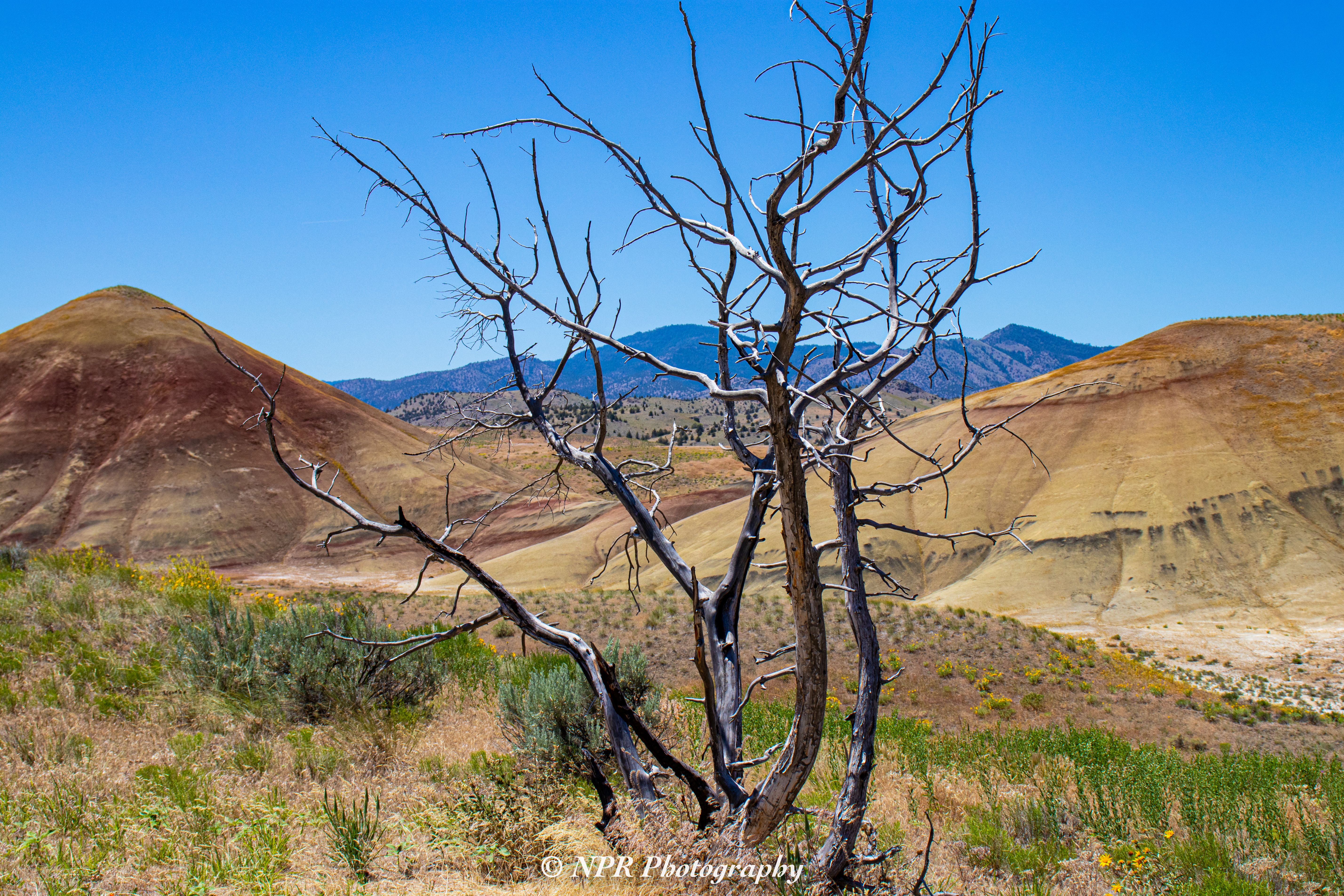
Photos are both above and below.

Before leaving the Painted Hills, we stopped at the Painted Hills Overlook we’d enjoyed a great deal during our previous visit. The day was sunny and it gets hot in the high elevation desert environment, so our visit was cut short just after 12:30 PM. Photos of that stop are below.

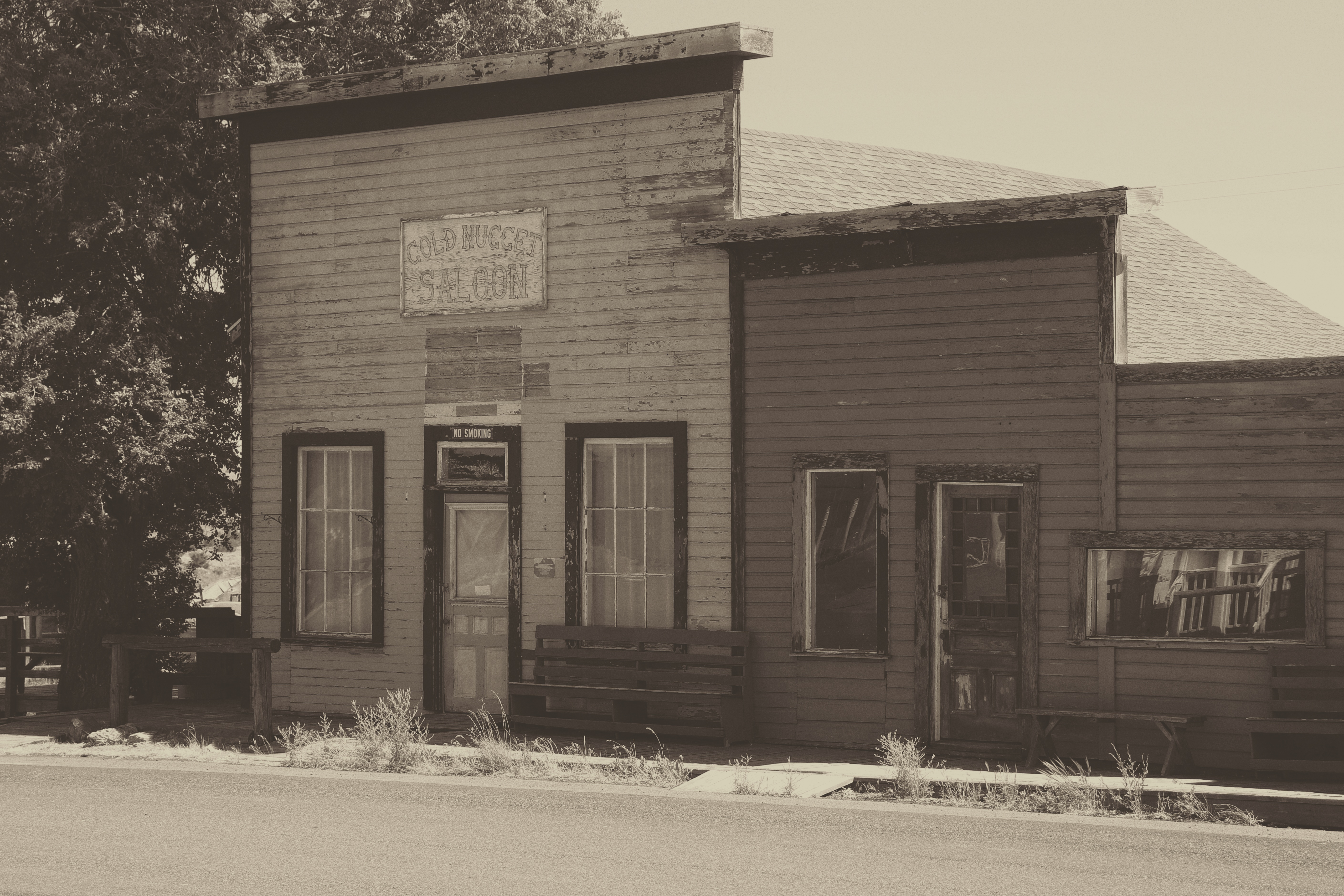
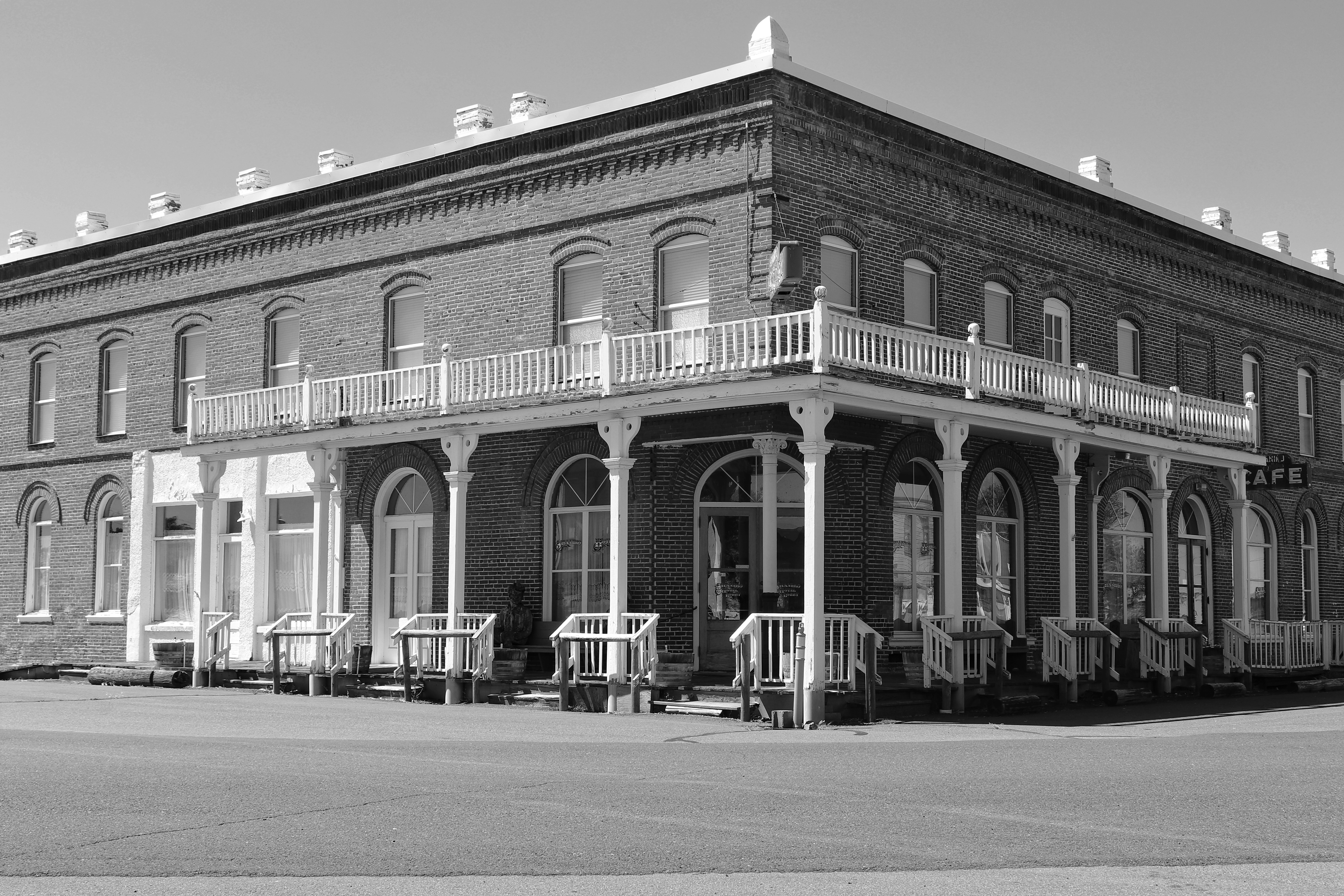
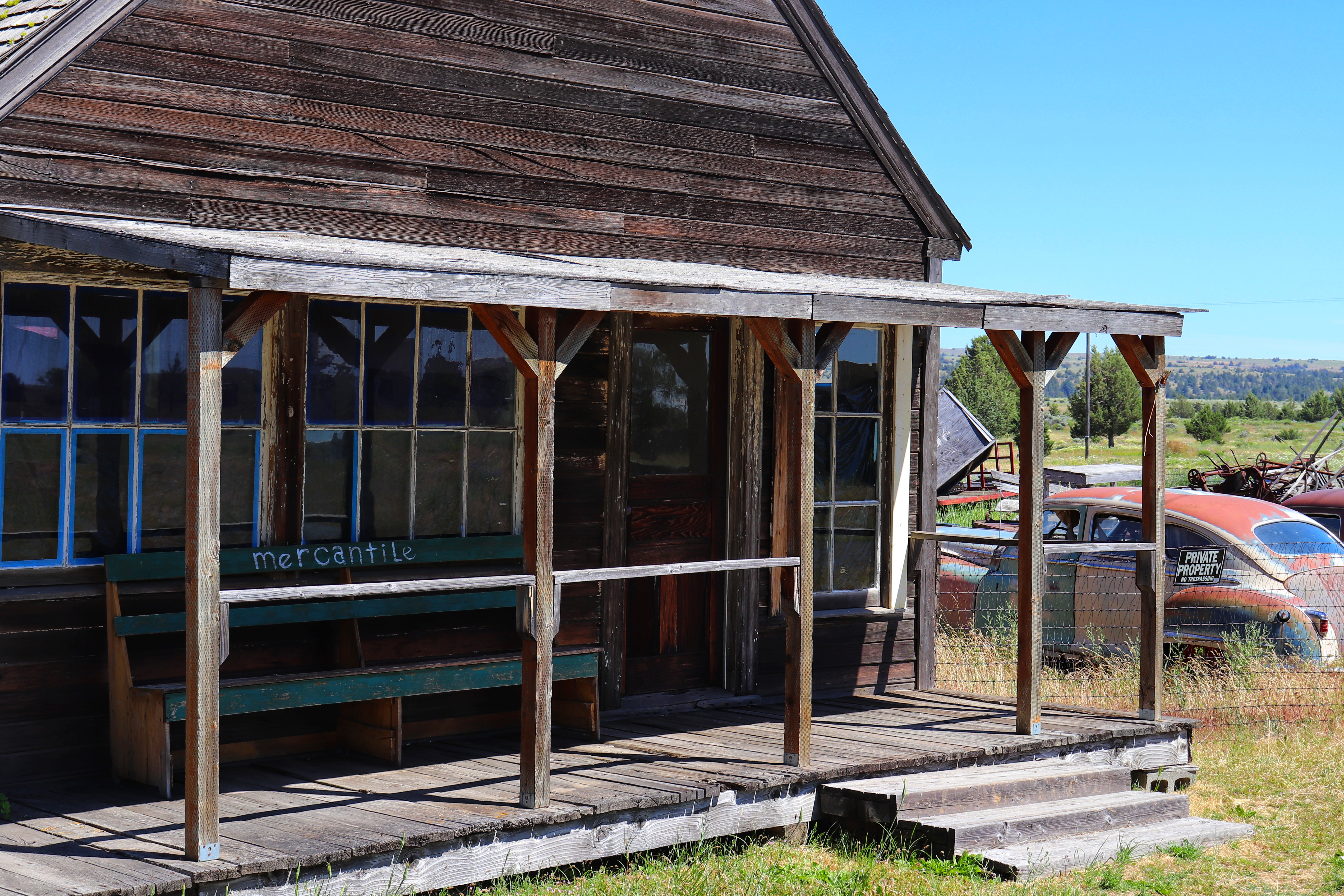
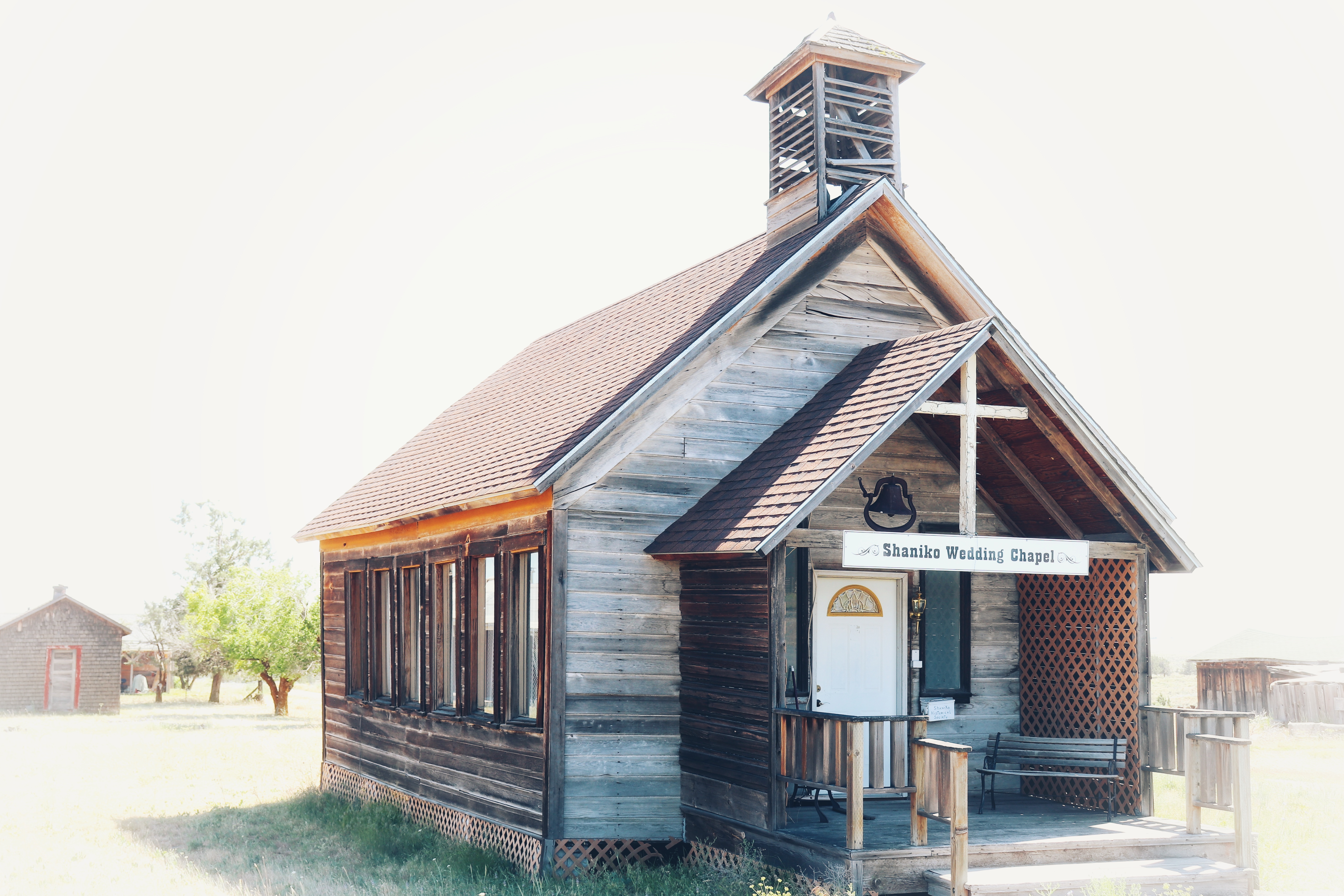
Returning to Highway 26, we continued East, finally cutting North in Mitchell, OR to take the Service Creek-Mitchell Highway North. Reaching Fossil, OR, we took Highway 218 West to the ghost town of Shaniko, OR. The drive, taking approximately two and a half hours, is a fantastic one. The roadways curve up and down hillsides and mountains, providing lovely views of high-elevation valleys and farmland. If we’d not had other places to go, I’d have loved to spend more time there, stopping for photos on an annoyingly consistent basis.

Arriving in Shaniko, we took advantage of an ice cream parlor serving the people who come to see the ghost town. Goldie’s Ice Cream Parlor had a decent variety of flavors and the folks operating the establishment were pleasant and friendly.

Walking the streets of Shaniko isn’t a time consuming endeavor, and it was only twenty minutes or so before we were back on the road.

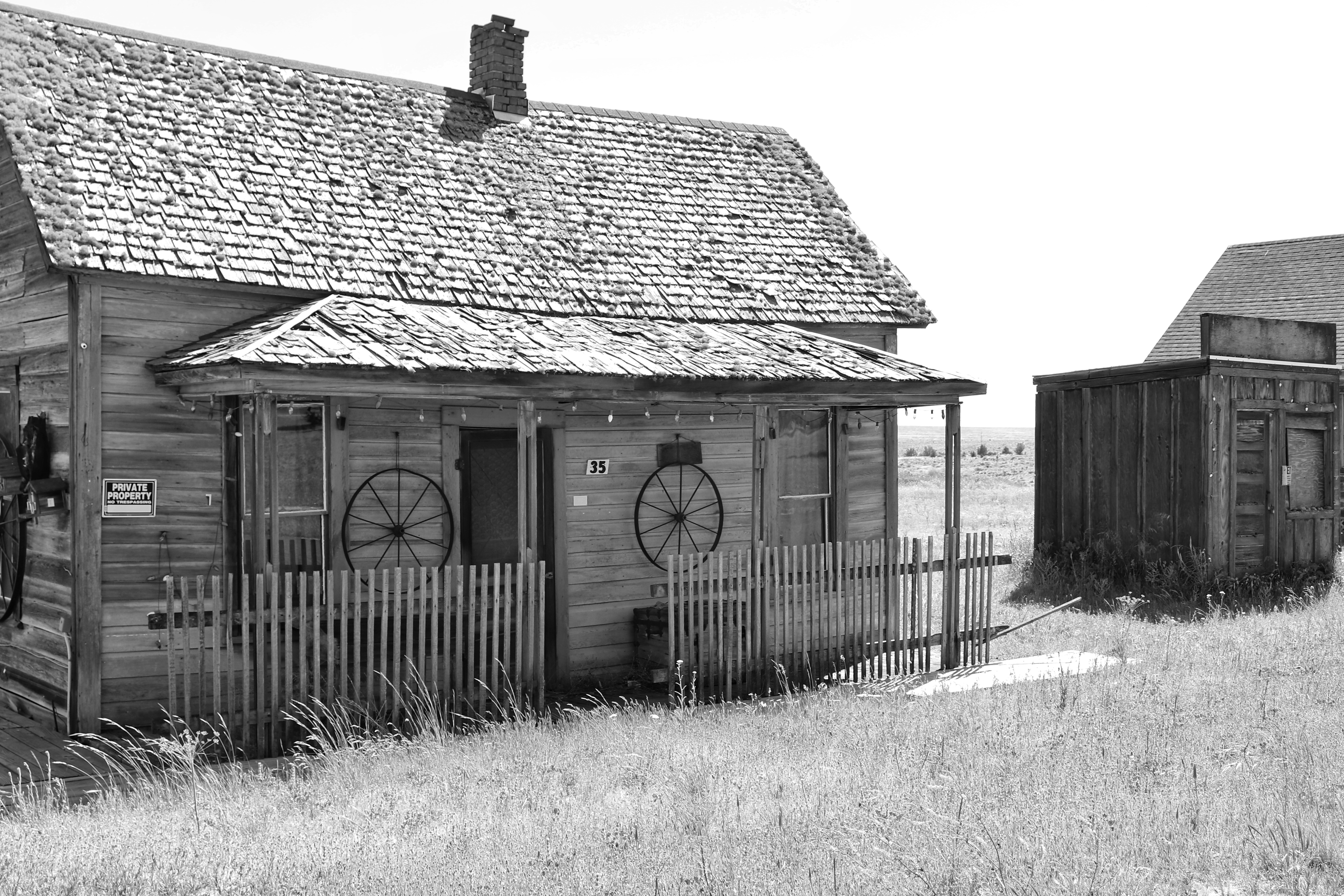
Photos of Shaniko are below.

We took Highway 97 North to Biggs Junction, OR where we joined Interstate 84 and headed West along the Columbia River.

Arriving in Hood River, OR around 5 PM, we stopped for dinner at Solstice Wood Fire Pizza. I can’t say enough about the quality of the food and the overall environment of that restaurant. The patio area provides a nice view of the Columbia River as well. I wanted to try something different and ordered the siragusa pear pizza, a pizza with pears (as the name would imply), bleu cheese, and caramelized onions…it was amazing.

Leaving Hood River, our next stop was the Bonneville Fish Hatchery. There’s an artificial pond on site for white sturgeon, complete with an underwater viewing window. I’ve submerged one of my GoPro cameras in that pond each time we’ve visited, and captured some excellent video of the two sturgeon swimming. There are also smaller ponds where one can feed trout.

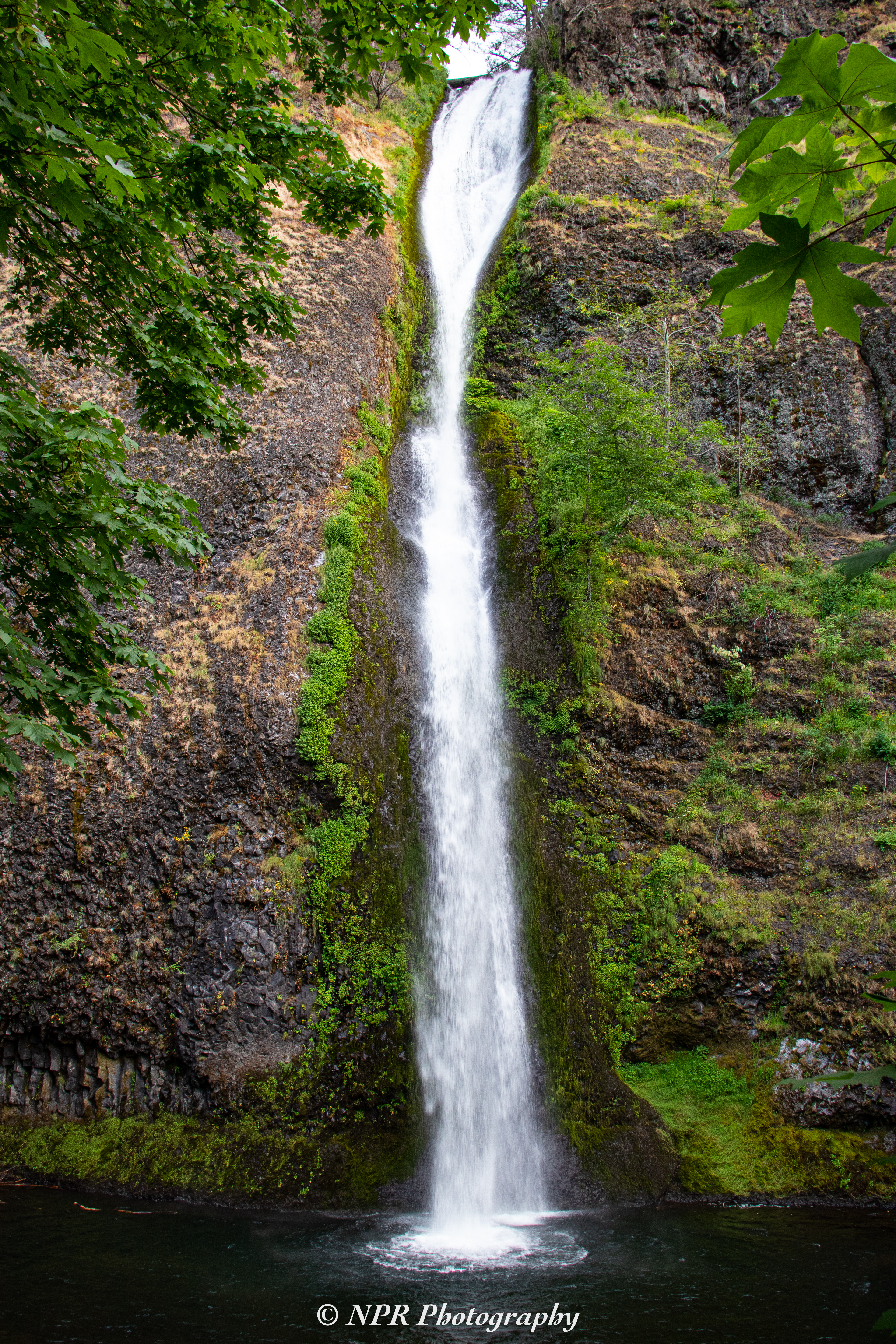
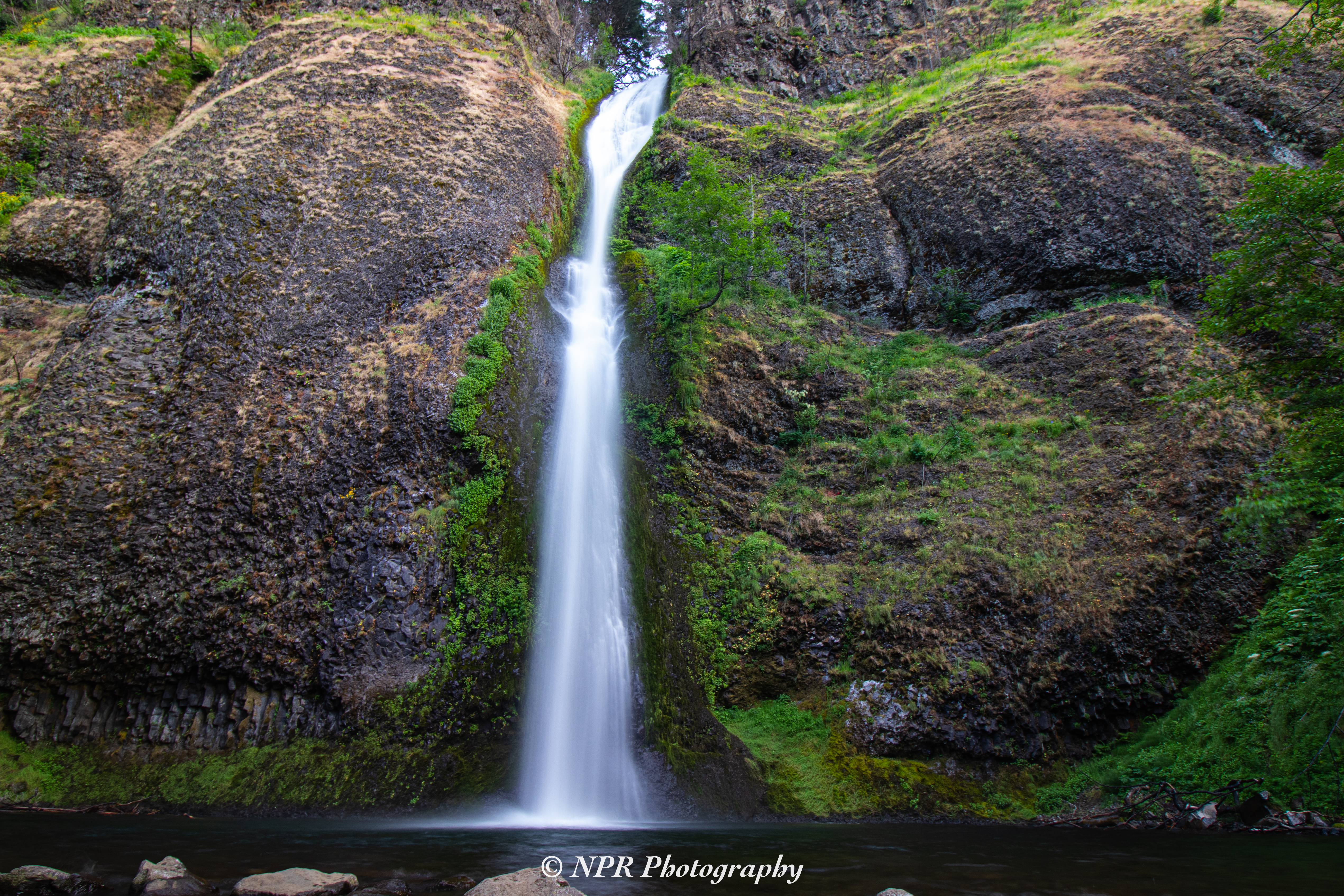
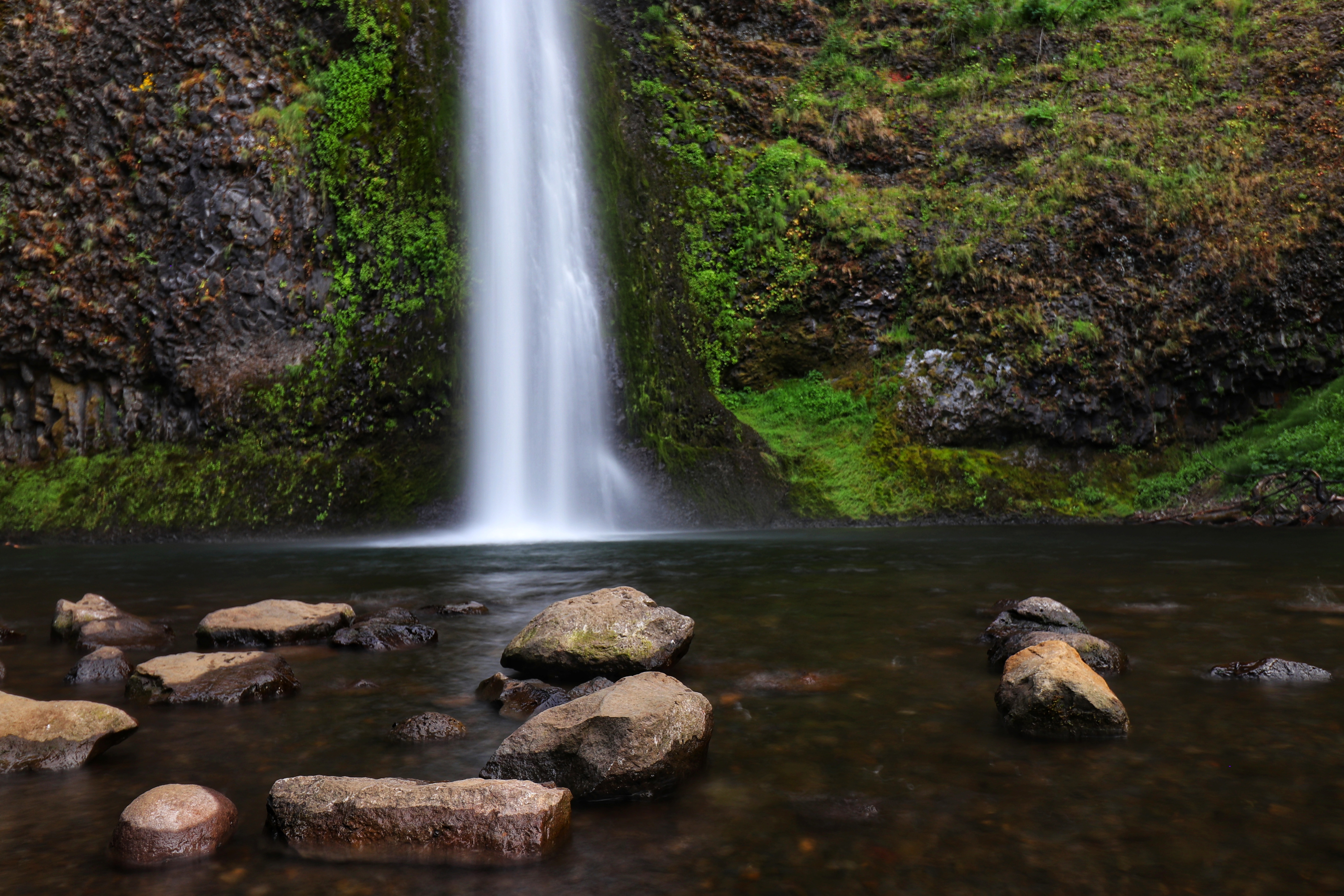
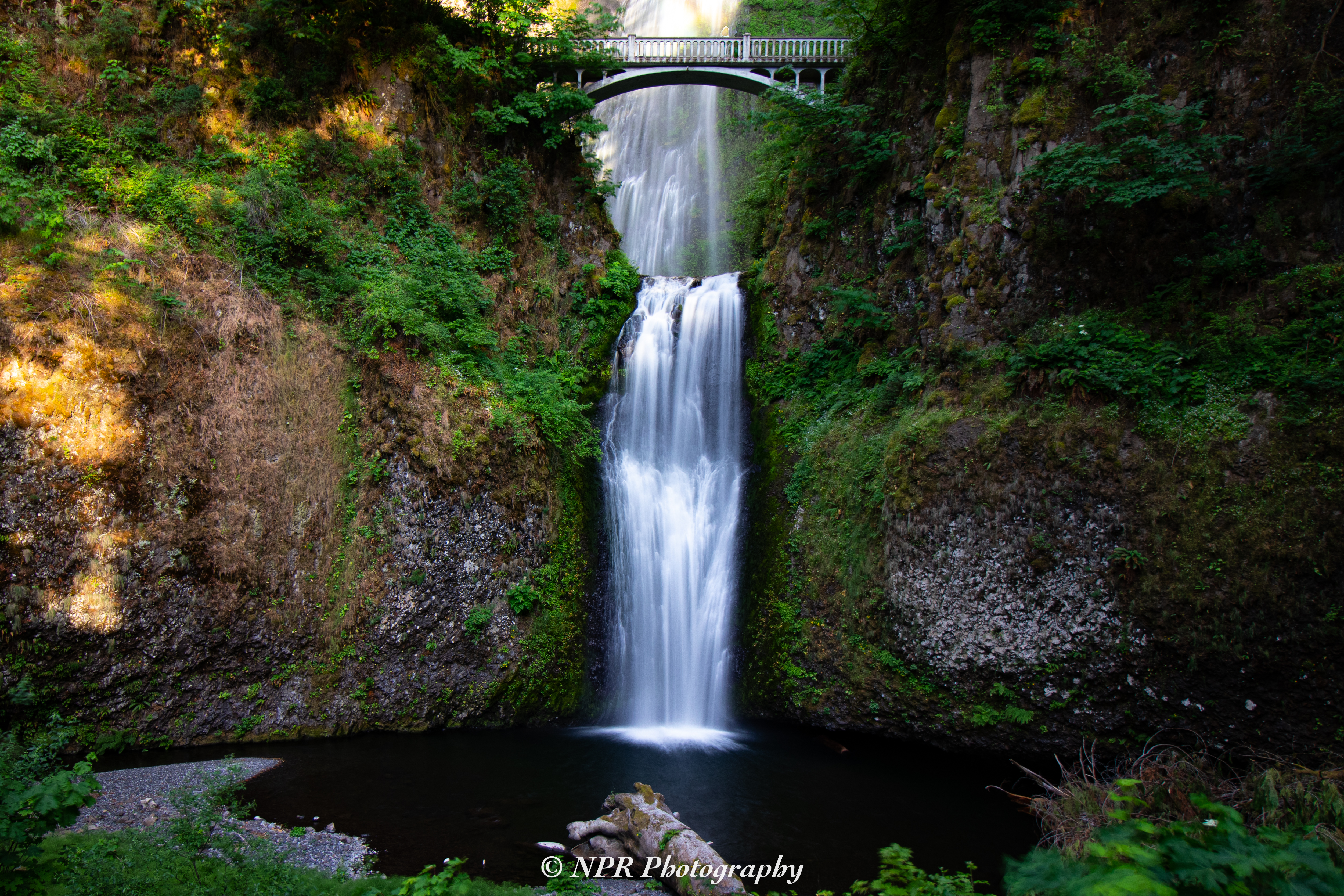
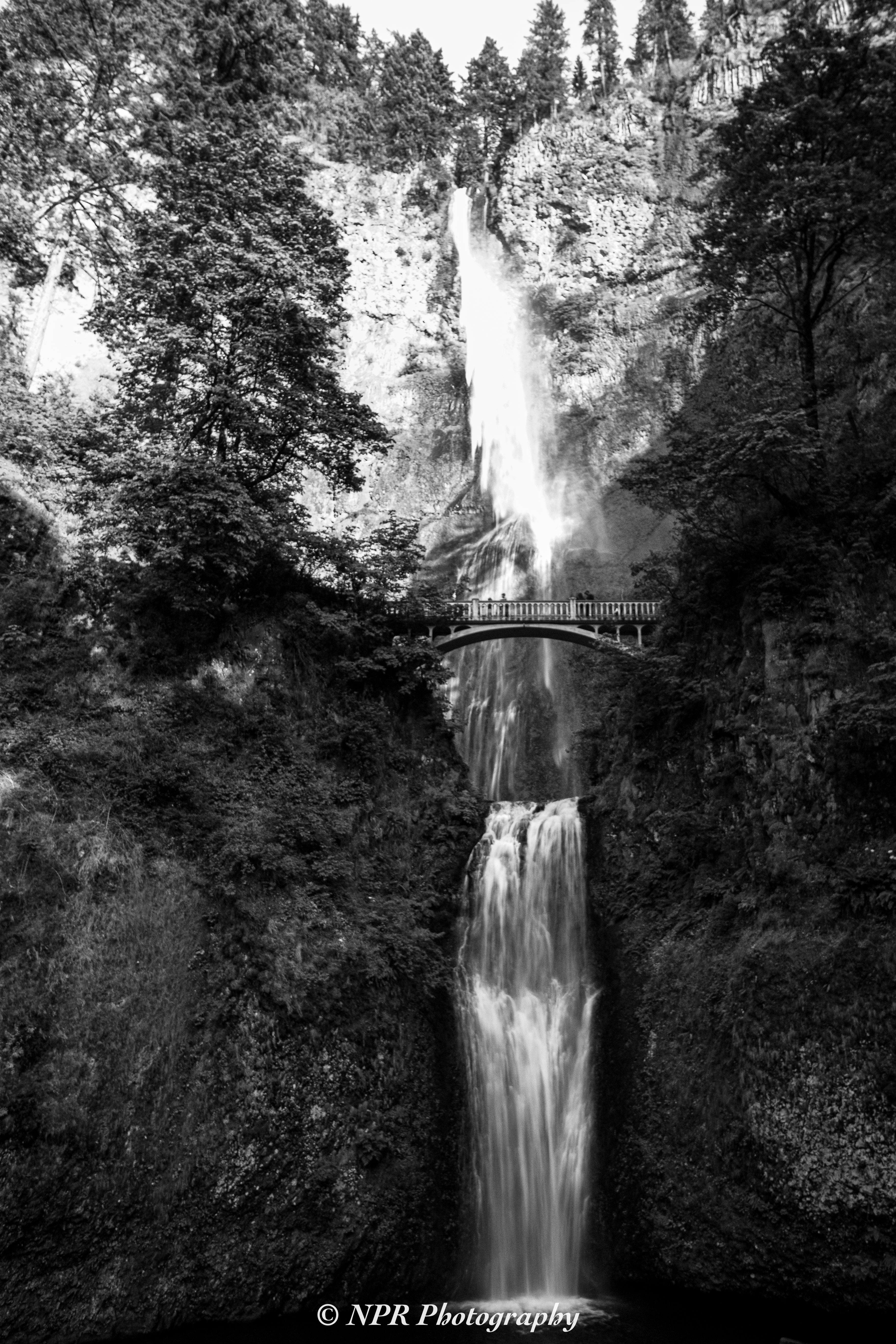
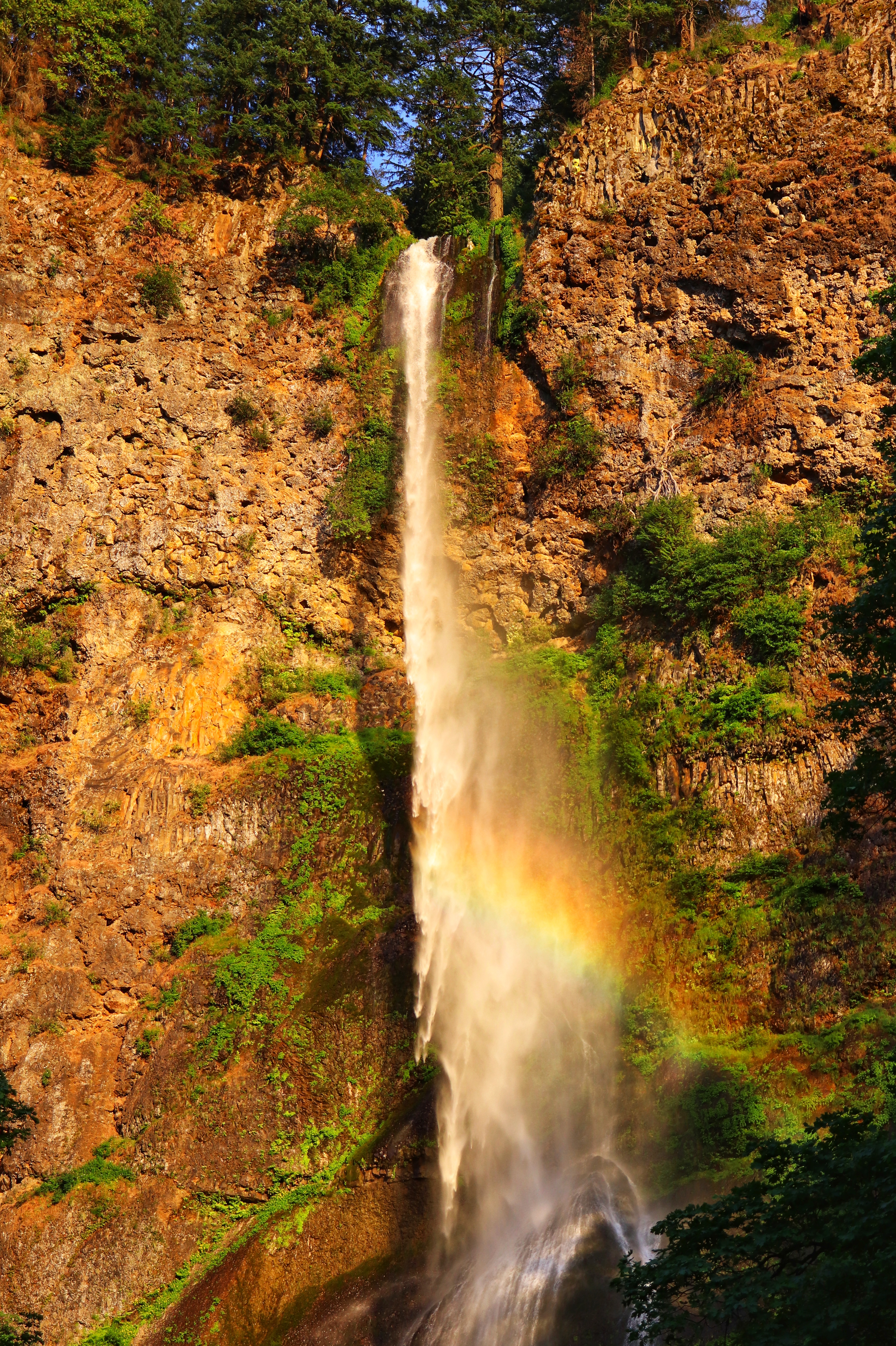
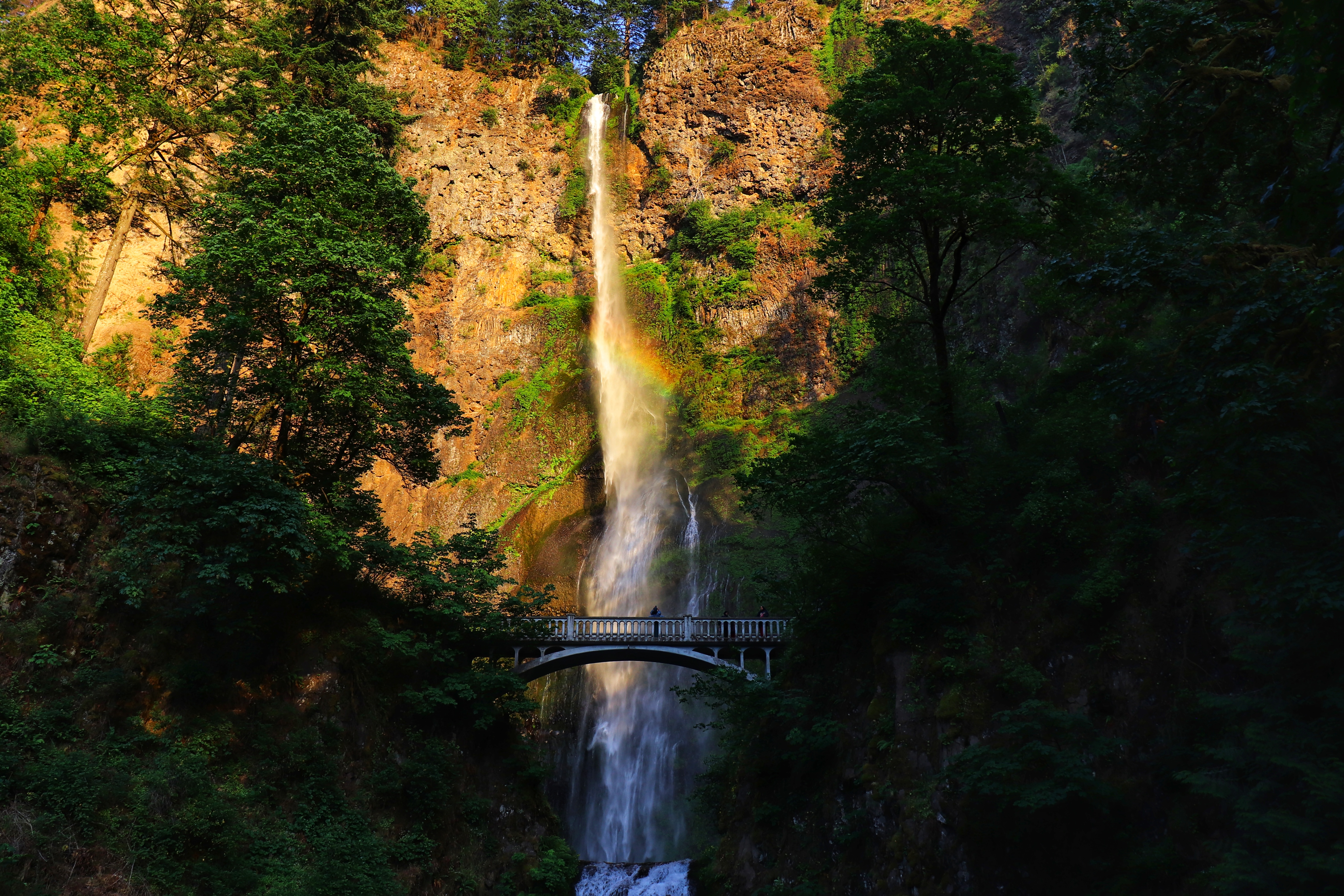
Continuing toward Portland, we stopped at both Horsetail Falls and Multnomah Falls between 7:45 and 8:30 PM.

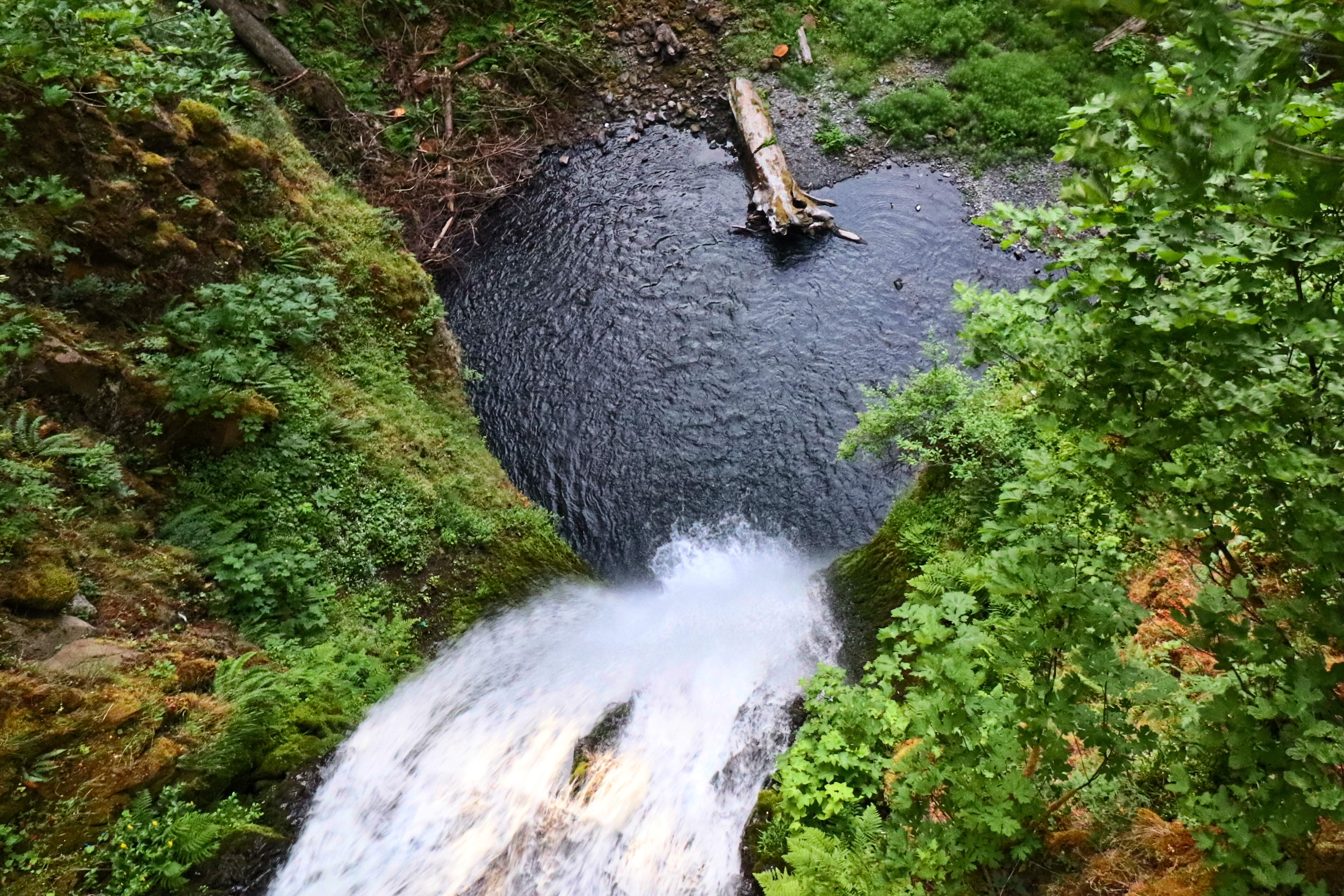
Naturally, we had to make the climb up to the upper terrace of Multnomah Falls, as the view is always so spectacular. This late in the evening, the crowds weren’t as dense as they often had been before.

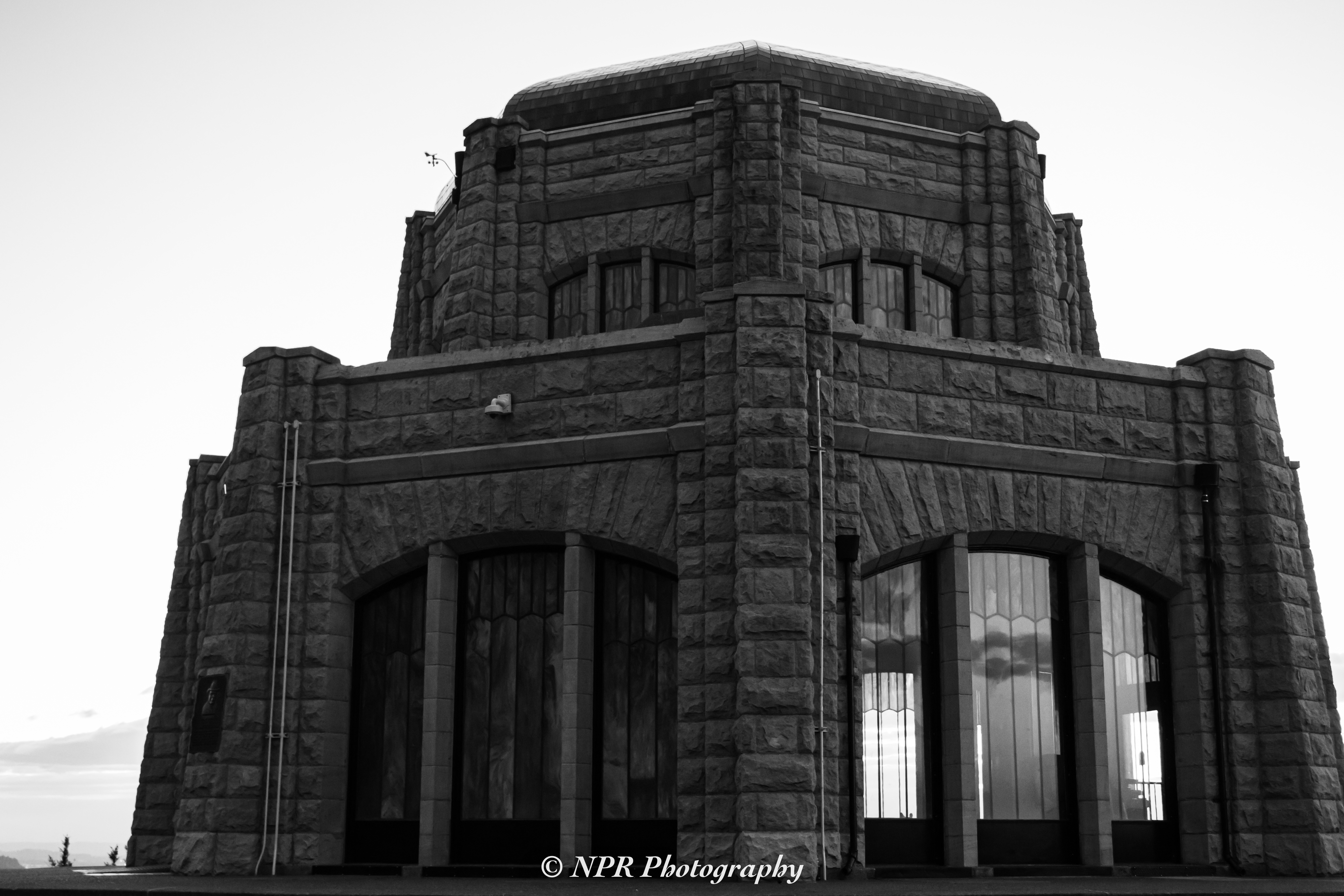
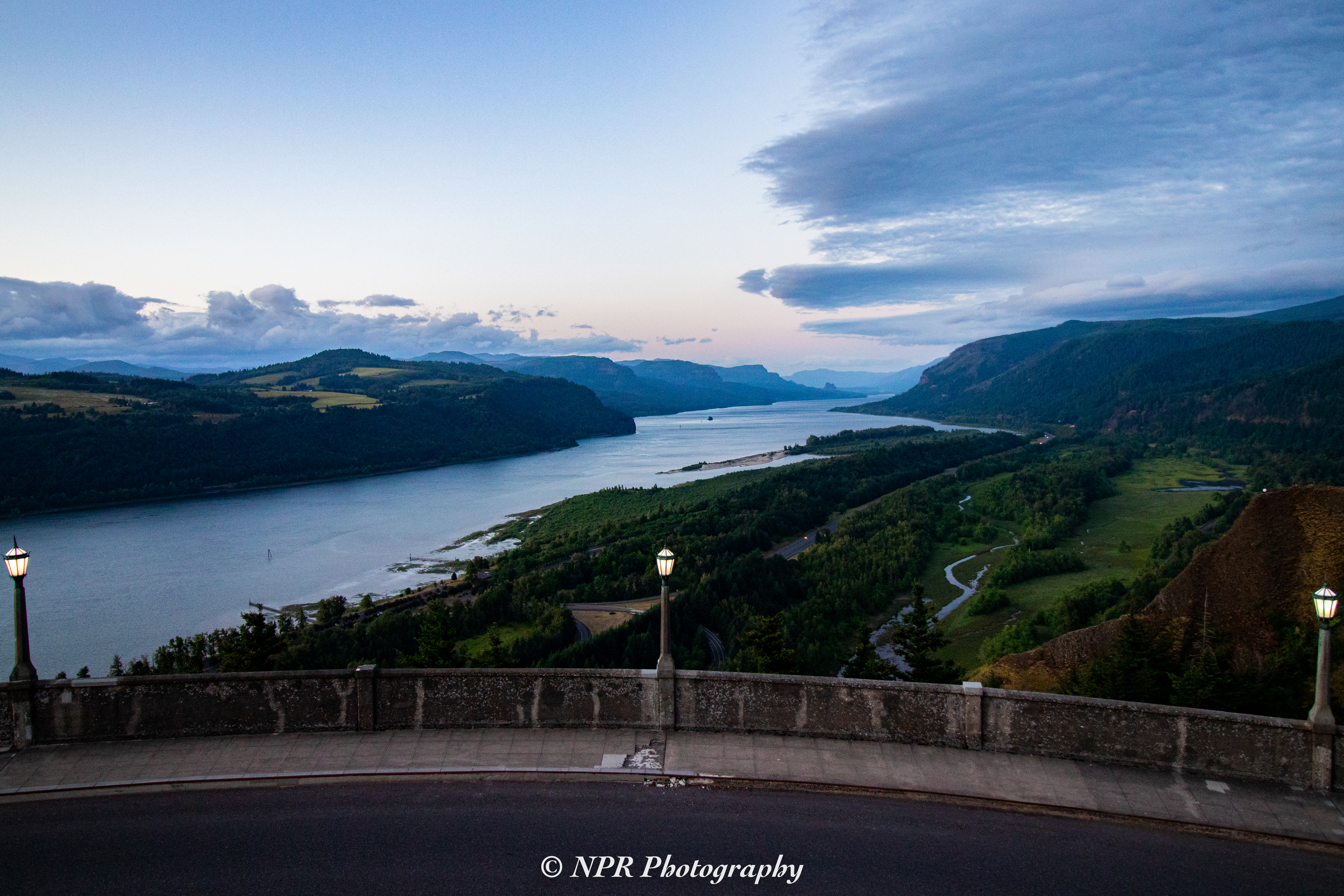
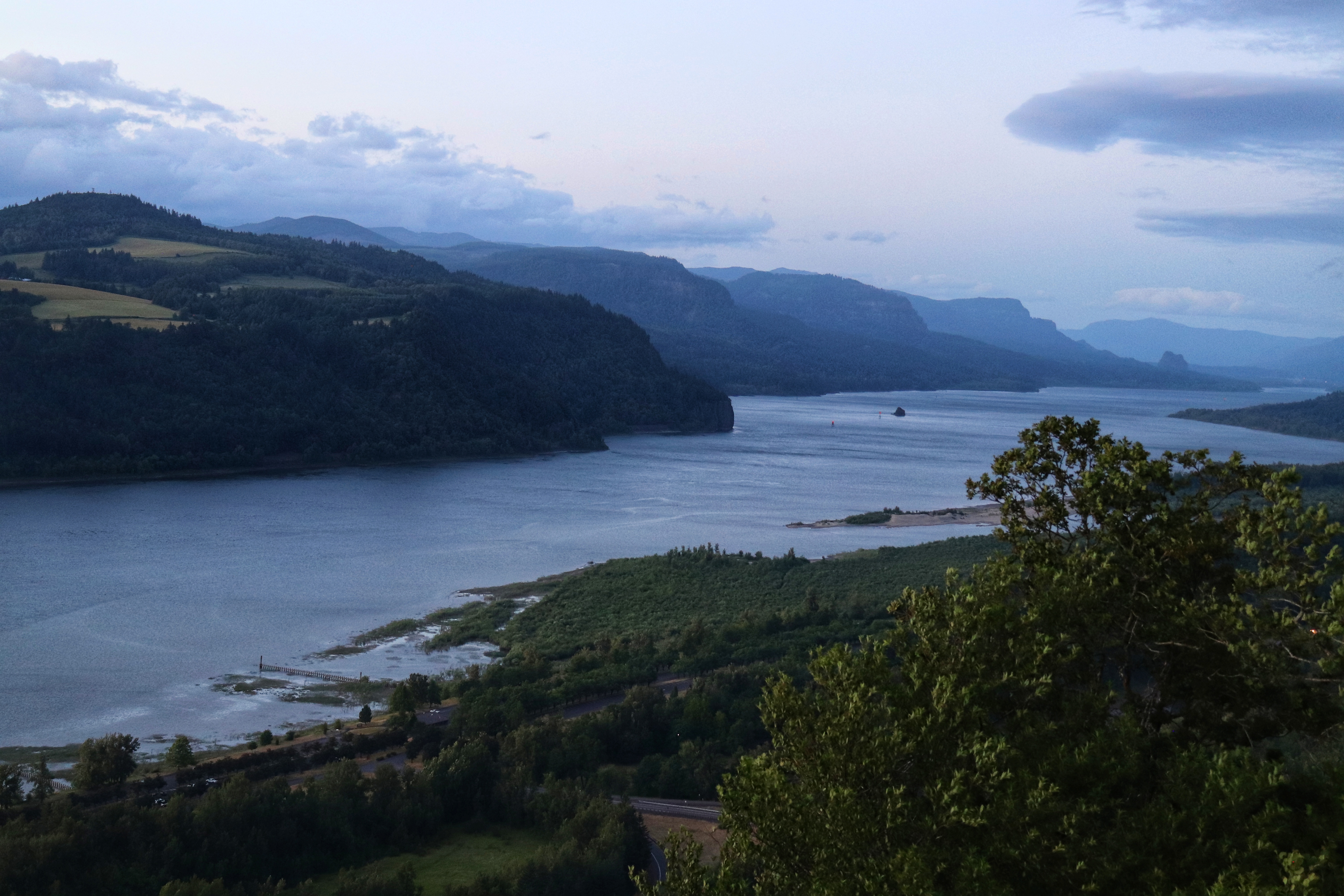
Our final stop on the way back to Portland was Vista House, which seemed like a magnificent place to witness the sunset. We were not disappointed. The views overlooking the Columbia River from that location are spectacular. I may have had to drop down from a fenced area to get to a certain location or two, but it was worth the minor bit of trespassing to see some of what I was able to see.

We continued along the Historic Columbia River Highway after dark, unable to truly enjoy the scenery, returning to our hotel shortly before 10:30 PM.

Second Leg of the Journey

We left Helena, MT shortly after 7 AM on Sunday, June 16th of 2019. Our route took us West to meet Interstate 90 at the Garrison exit. The last time we’d taken this path out of Helena, in June of 2017, we’d narrowly avoided colliding with a doe as she’d ventured onto the highway from thick shrub growth on the right side of the road. This time, thankfully, there were no near misses.

We remained on I-90 for only a short while, taking the exit at Drummond as that was the recommendation of my GPS. I should have learned not to trust the GPS after a particularly awful set of directions in August of 2016, but shame on me because I was fooled twice. We started out on a simple frontage road running parallel with the interstate before connecting with a meandering gravel road. It wasn’t in perfect condition, but I’d taken my 2001 Chevy Impala down worse roads, for sure.

What initially appeared to be a rough patch of road, perhaps still rutted after late winter in the higher elevations, soon became only a taste of what was to come. If I’d been driving a Jeep, I’d have avoided this road if given the opportunity to do so. It kept getting worse rather than better, large stones protruding from the road’s surface (if one could really call it a road) at random points while giant ruts carved miniature ravines through the hard-packed dirt that made up the islands of discernible road.

Unfortunately, there was no choice but to continue forward. Attempting to reverse down the trail would have certainly led to disaster, while powering through the god awful, stressful ordeal was at least potentially going to lead us to a happy outcome.

The road cleared up just as we approached our destination. Garnet, a ghost town maintained by the Department of the Interior, was just ahead. We’d made it…and without tearing anything from the undercarriage of my car.

To add insult to injury, there was a much nicer, well-maintained gravel road up there as well. There had been a far less treacherous path to this destination. We could have avoided the hazards associated with taking my car up something barely suitable for four-wheel drive. Damn the GPS.

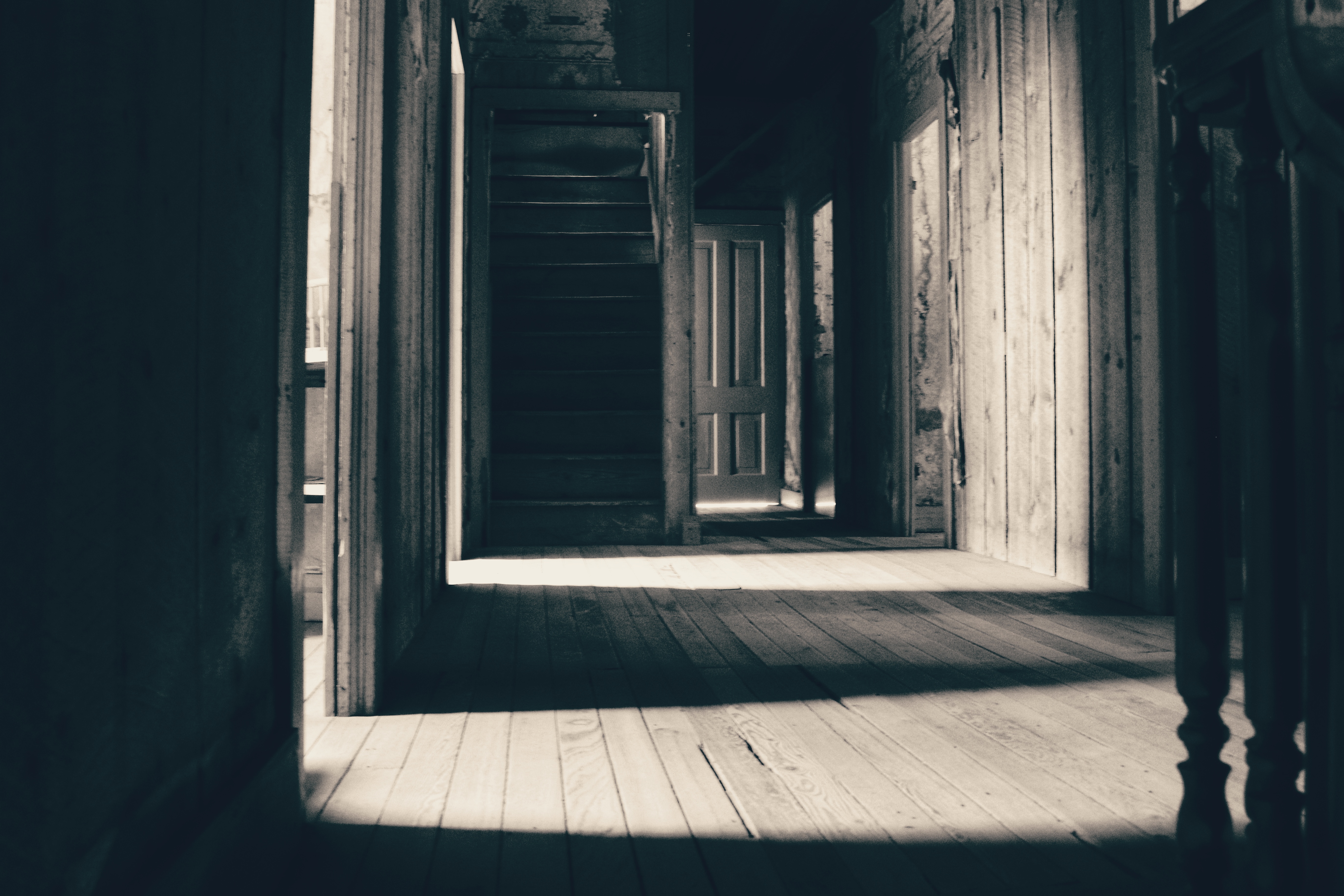
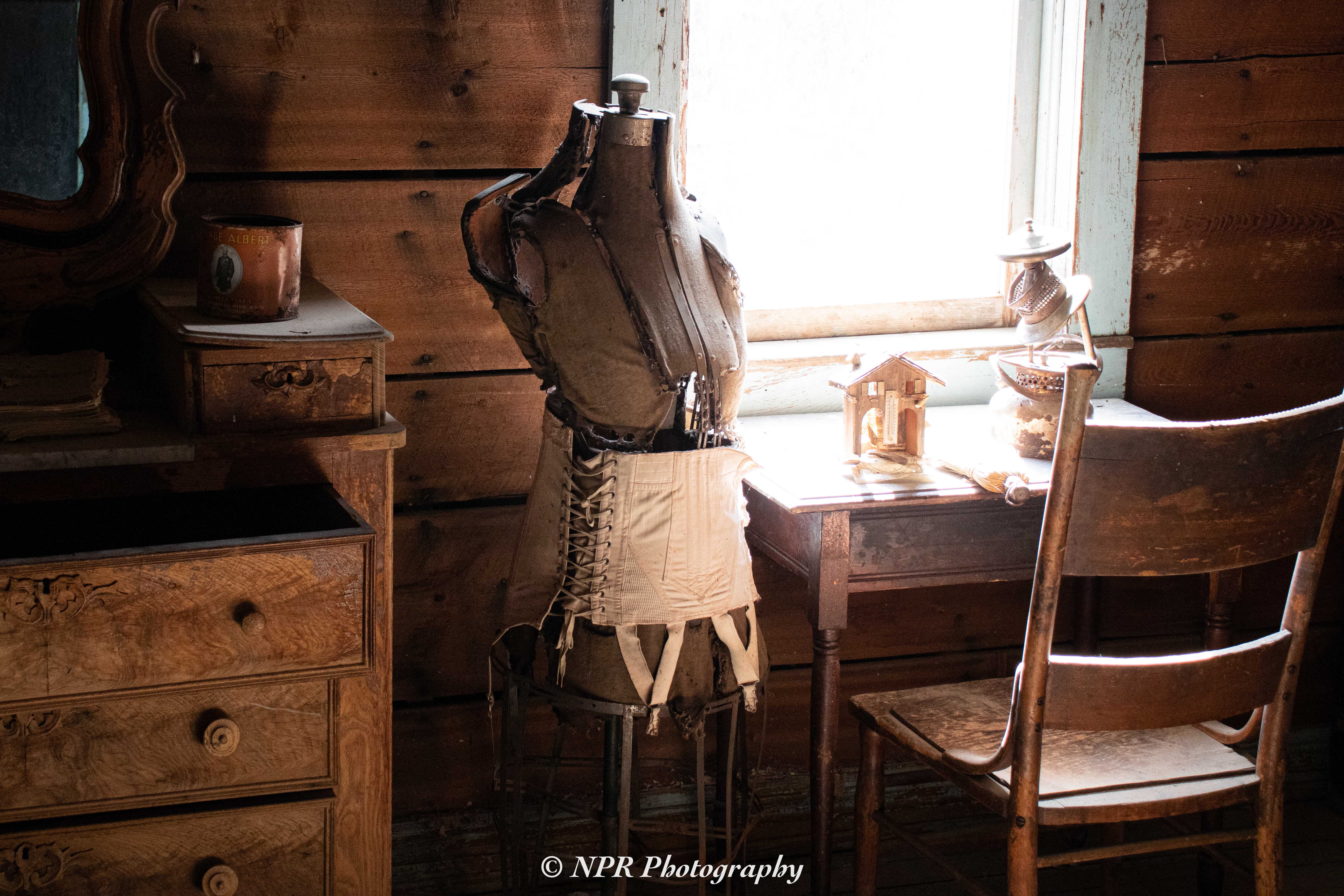
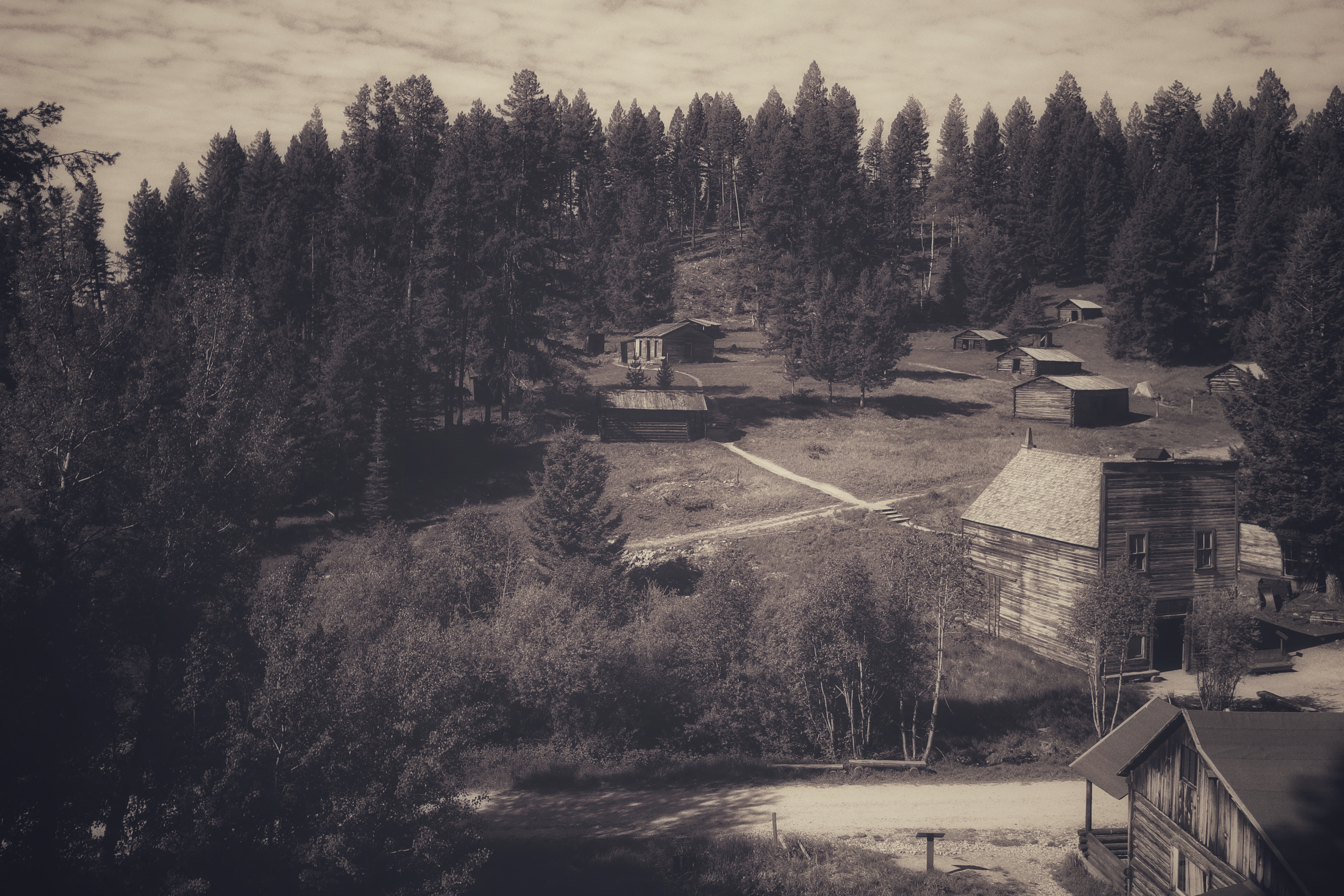
We remained there in Garnet for about an hour and a half, not departing until around 11 AM. Photos from our time in Garnet are featured above.

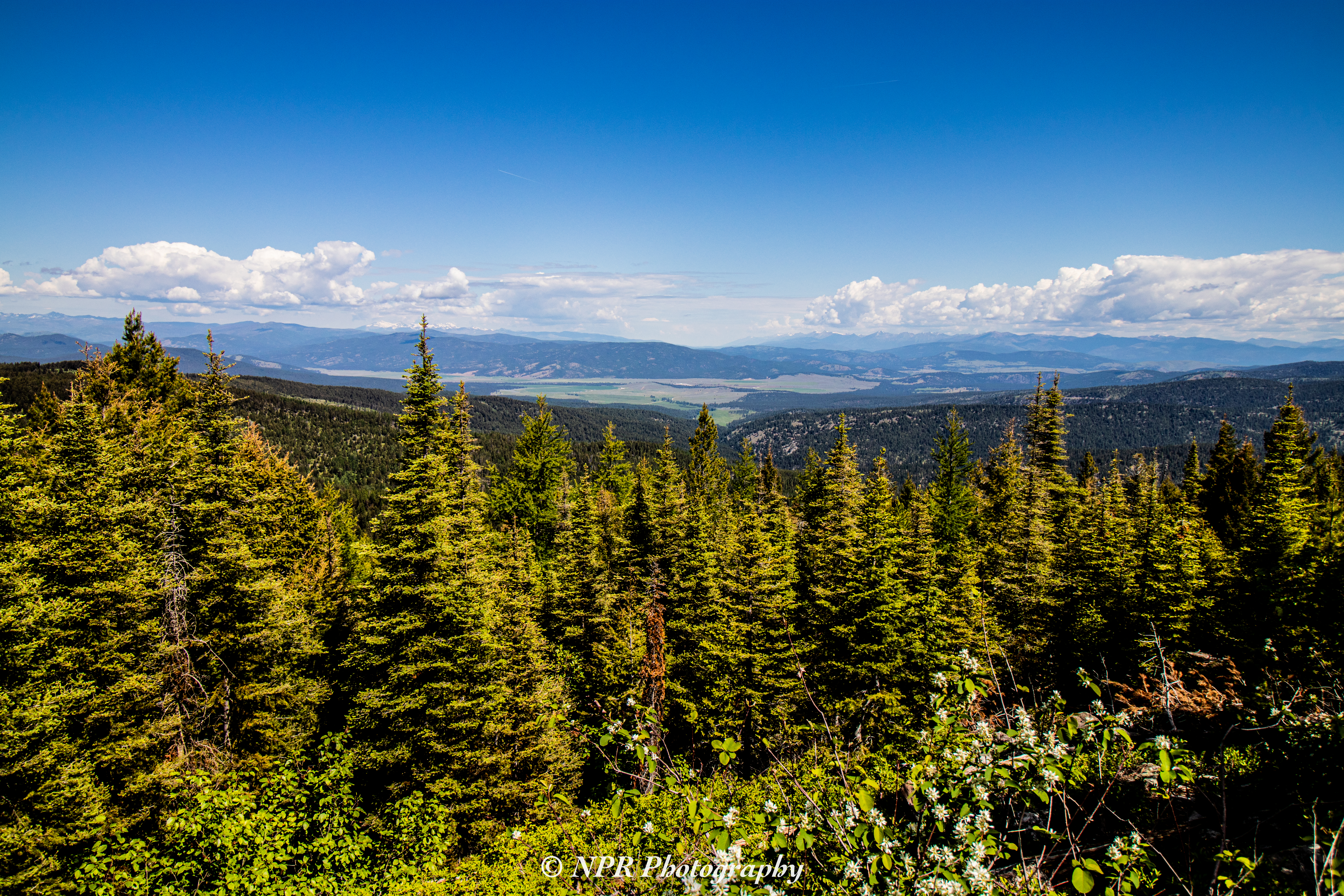
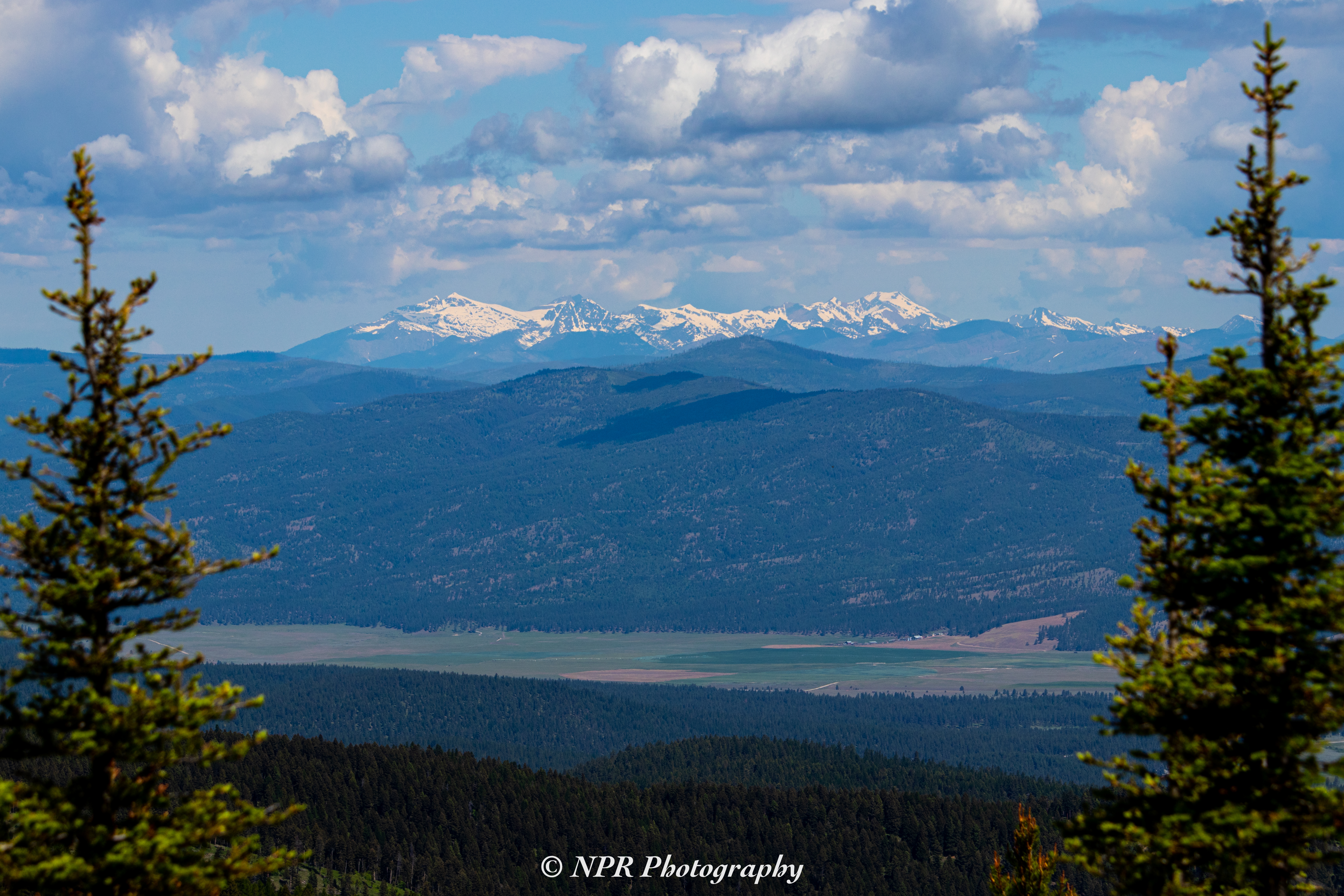
The route we followed leaving Garnet and making our way to Missoula, where we rejoined Interstate 90 was far less stressful than the one we’d experienced only a couple of hours earlier. Along the way, there was a fantastic view and a great place to stop and take it all in. I’ve included photos of that vista below.

Crossing the rest of the distance through Montana and the upper panhandle of Idaho, we entered Washington. At the recommendation from my cousin, Jeremy, we stopped at Viking Drive-Inn. This is a modest diner located Southwest of Spokane, in a small town known as Sprague. The burgers, while simple, were deliciously seasoned and precisely what we were hungry for at just after 2 PM.

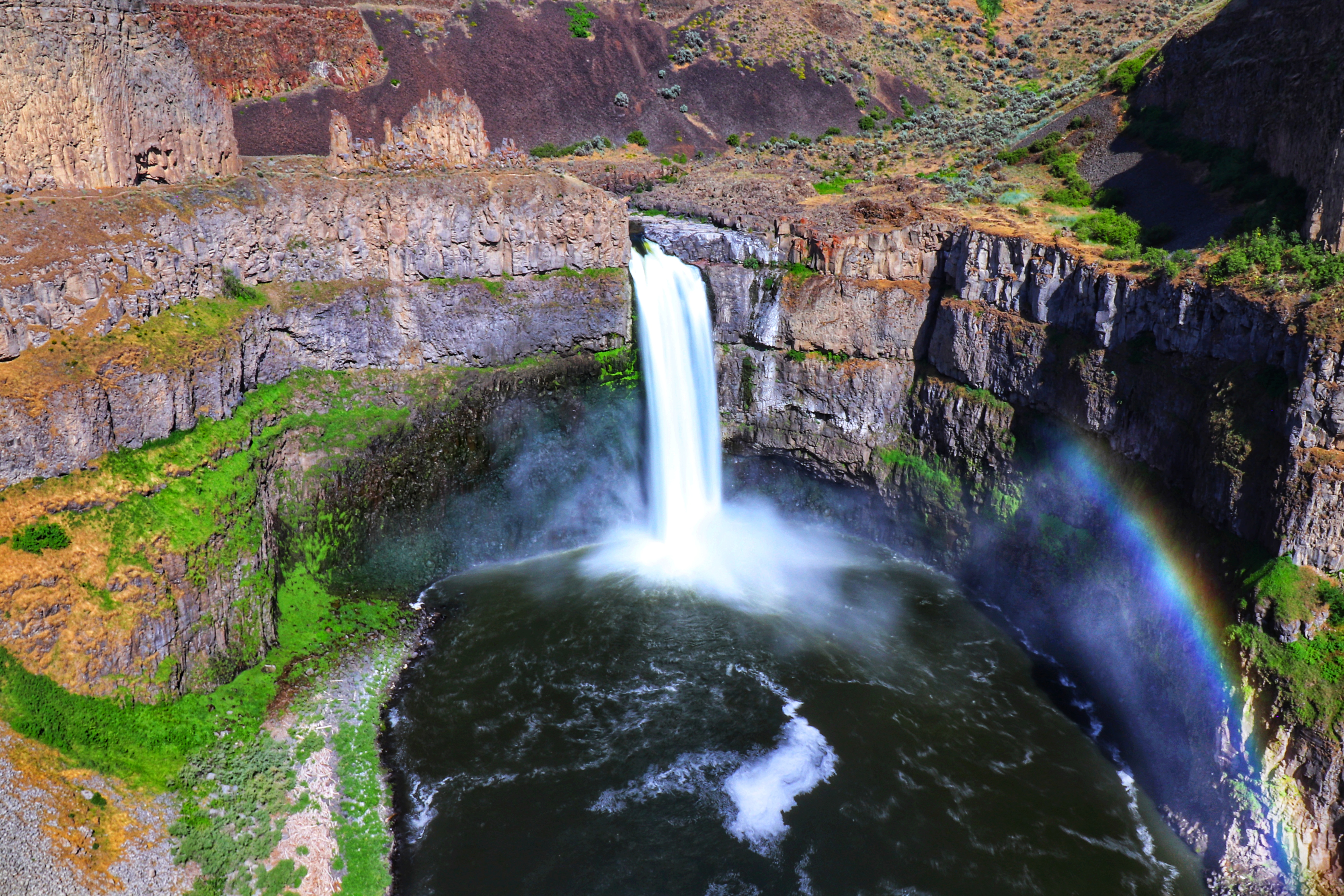
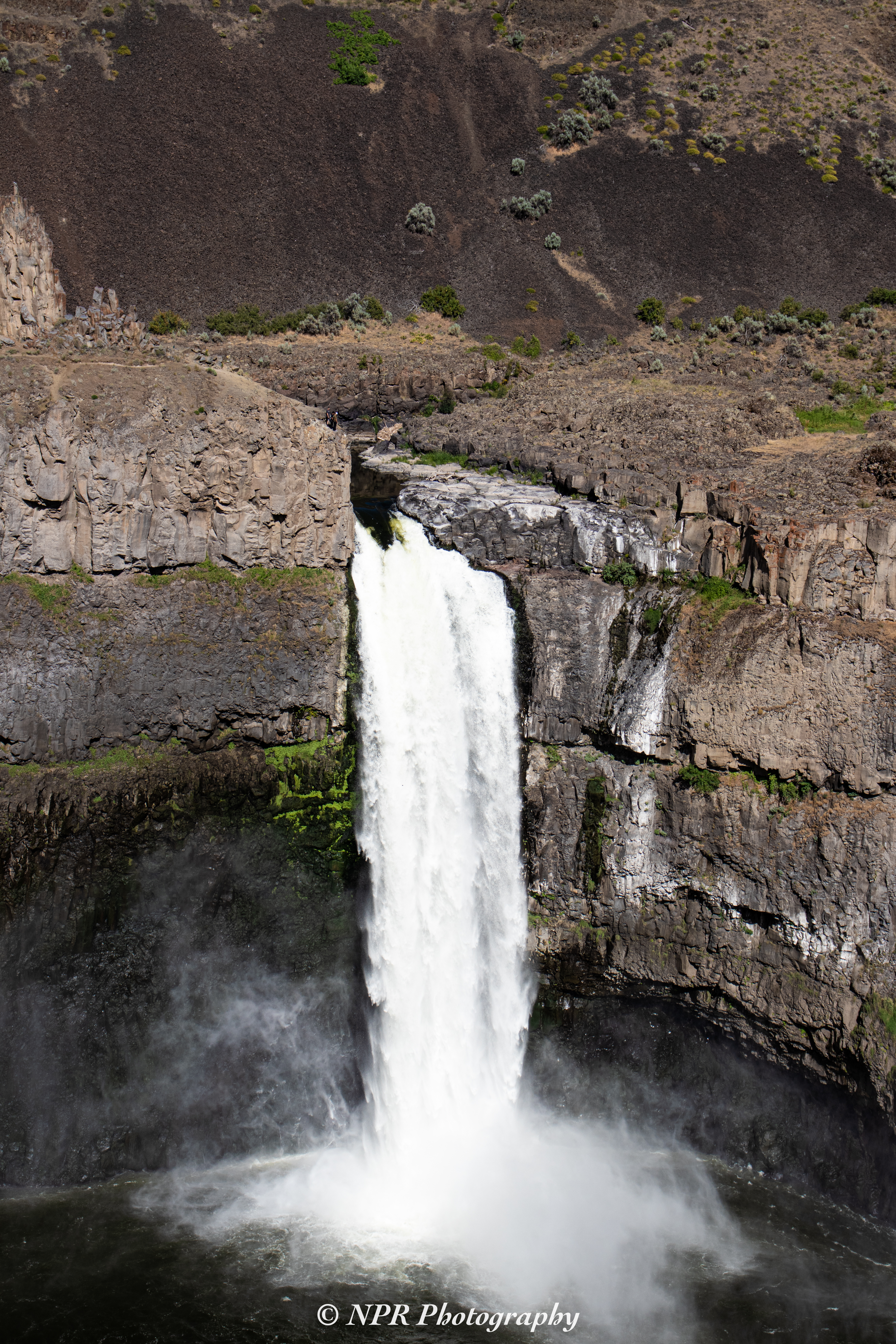
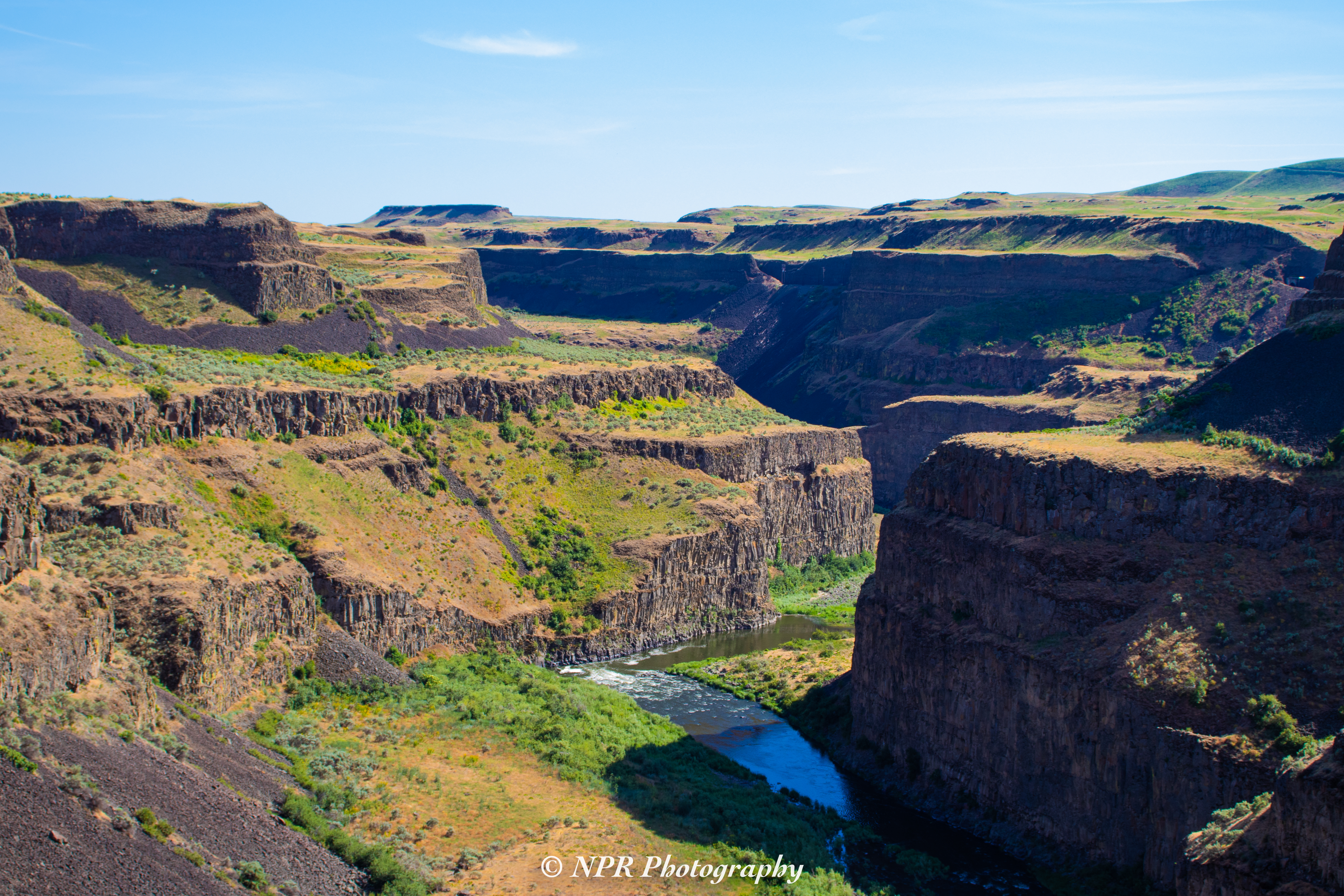
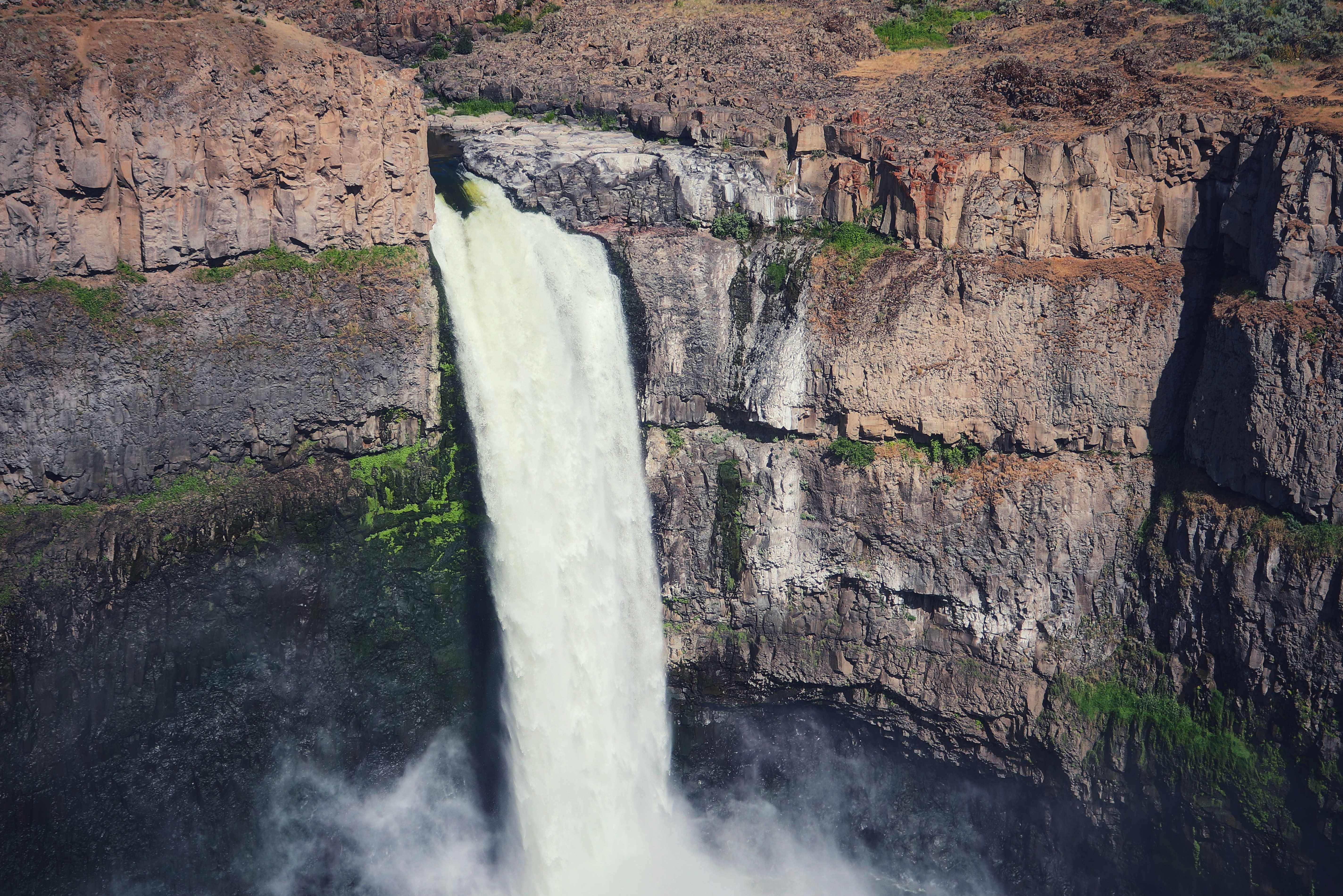
We continued following I-90 until we reached Ritzville, WA, where we headed South, making our way to Palouse Falls State Park. We’d seen photos of the magnificent falls, but we’d never seen it in person. It did not disappoint.

Photos of Palouse Falls follow.

We left Palouse Falls at approximately 4:30 PM before continuing Southwest through Kennewick before crossing the border into Oregon. We connected with Interstate 84 and continued on to Portland, OR. We arrived at our hotel shortly before 9 PM.

Having built up an appetite again, we went to the nearest MOD Pizza. We’d fallen in love with that design-your-own pizza chain when we’d been in Seattle in June of 2017. On the way back to our hotel, we stopped at a particularly seedy 7-Eleven, in what appeared to be a fairly run down area of Portland. Regardless of that, we continued returning to this same 7-Eleven during our week-long stay in Portland because they happened to have green apple Jones Soda in their fountain soda machine. It tastes even better as a fountain soda than in the bottles.

We settled back in at the hotel just before 10 PM.